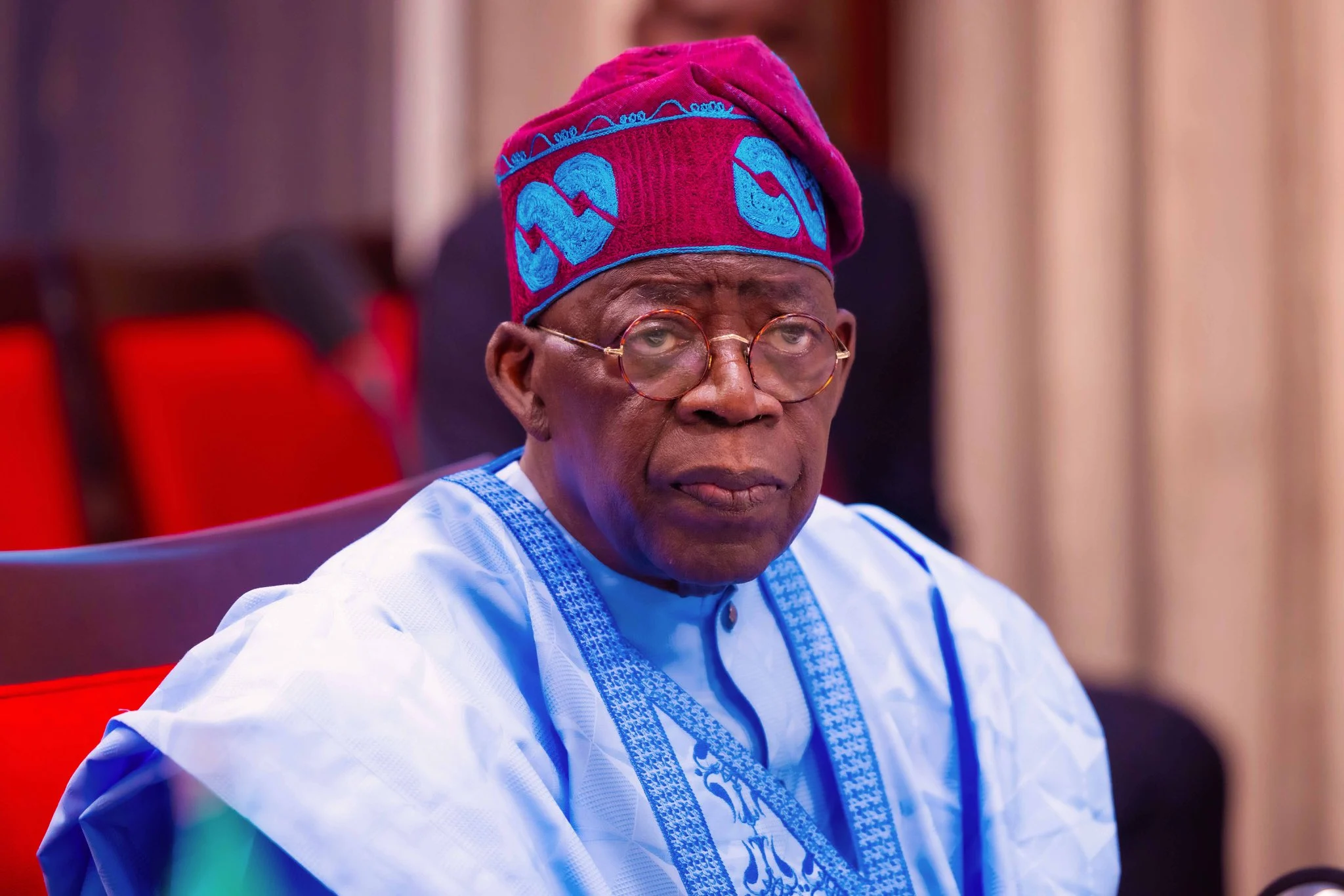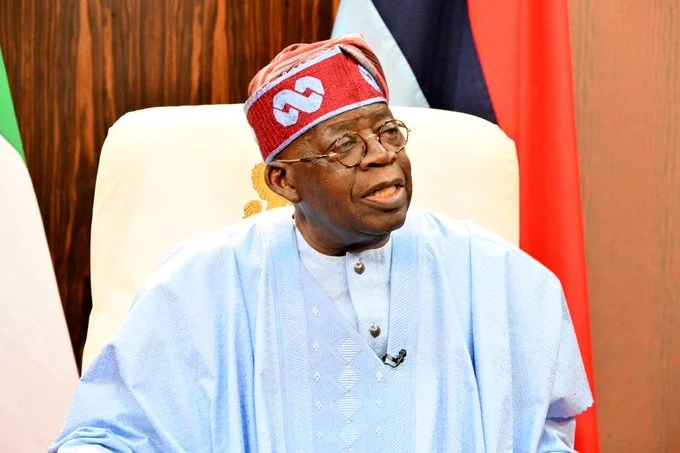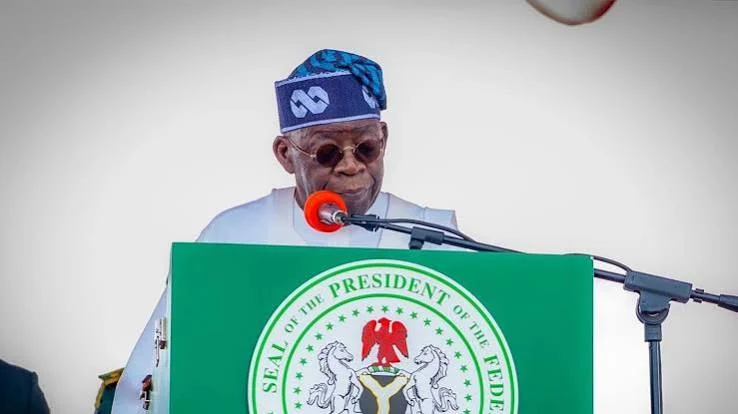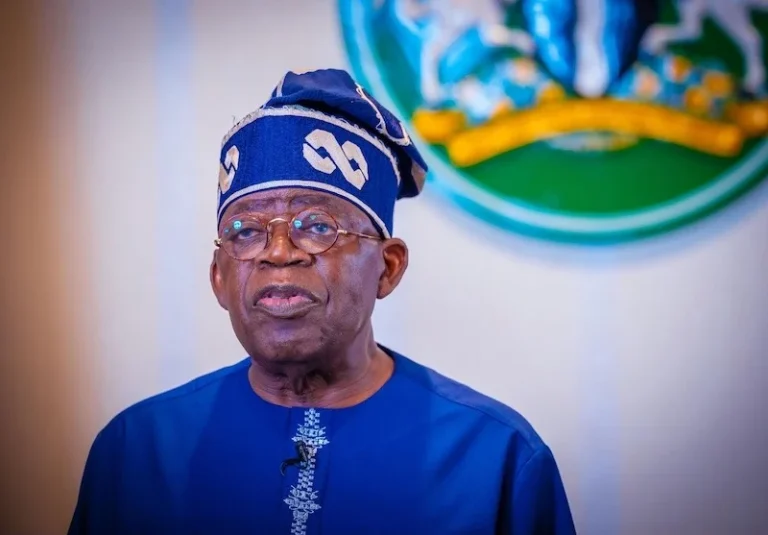
President Bola Tinubu has declared that the most difficult phase of his administration’s economic reforms is over, saying Nigeria has entered a new period focused on prosperity and improved living standards.
Tinubu made the declaration on Thursday in his Independence Day address to Nigerians to mark the country’s 66th anniversary.
The President, whose address was themed “From Reform to Prosperity,” defended the removal of petrol subsidy and the unification of the foreign exchange market, describing the measures as necessary steps to address long-standing economic challenges.
According to him, previous governments avoided difficult decisions, allowing the country’s economic problems to deepen.
Tinubu likened the situation to a patient diagnosed with cancer who must choose between undergoing painful treatment and relying on medication that only masks the symptoms.
He said, “For too long, Nigeria’s leaders chose morphine while praying for a miracle that never came.”
The President also warned Nigerians against political promises to restore fuel subsidies ahead of the 2027 elections, describing such proposals as a return to policies that had failed to address the country’s structural problems.
He said, “We must resist their siren song. We must remember why we began this journey and how far we have already come.”
Tinubu argued that his administration’s reforms did not create Nigeria’s economic difficulties but confronted problems that had been deferred by successive governments.
He said the economy had grown by more than four per cent in 2026, while inflation had eased from its peak, foreign reserves had improved and the foreign exchange market had become more stable.
The President also highlighted a decline in oil theft and an increase in non-oil exports, saying Nigeria generated more than $6bn from non-oil exports in 2025.
He said the country had now moved beyond what he described as an emergency phase of economic restructuring.
“The emergency treatment is over. The foundation has been repaired,” Tinubu said.
He added that the government’s priority would now be to ensure that economic growth translates into better opportunities and living conditions for Nigerians.
On the persistent cost-of-living crisis, Tinubu said his administration would focus on reducing the cost of production and transportation.
He listed increased agricultural production, irrigation, improved access to farm inputs, mechanisation, storage facilities, roads, rail and port infrastructure among measures that would help lower the cost of goods.
The President also promised greater emphasis on job creation, industrial development and entrepreneurship.
He said the government would promote domestic gas utilisation, support the revival of industries, expand digital connectivity and equip young Nigerians with skills required in the labour market.
“I want to see more Nigerians making things,” Tinubu said. “I want to see more Nigerian farms feeding our cities and supplying our factories.”
Addressing poverty and social welfare, the President said the government was strengthening programmes designed to support vulnerable Nigerians.
He mentioned the Nigerian Education Loan Fund and the Consumer Credit Corporation among initiatives intended to improve access to education and essential assets.
Tinubu said social intervention programmes should serve as a bridge to a stronger economy rather than become permanent substitutes for economic opportunity.
“Our objective is not to manage poverty more efficiently. We will defeat it,” he said.
The President ended his address with an appeal for Nigerians to remain focused on the country’s economic recovery.
Using the biblical account of the Israelites’ exodus from Egypt, he said, “Nigeria has corrected its course. We have passed through our own Red Sea. This is not the time to look back.”
Tinubu’s address comes amid continued concerns over the high cost of living and growing political debate over economic policies ahead of the 2027 general elections.