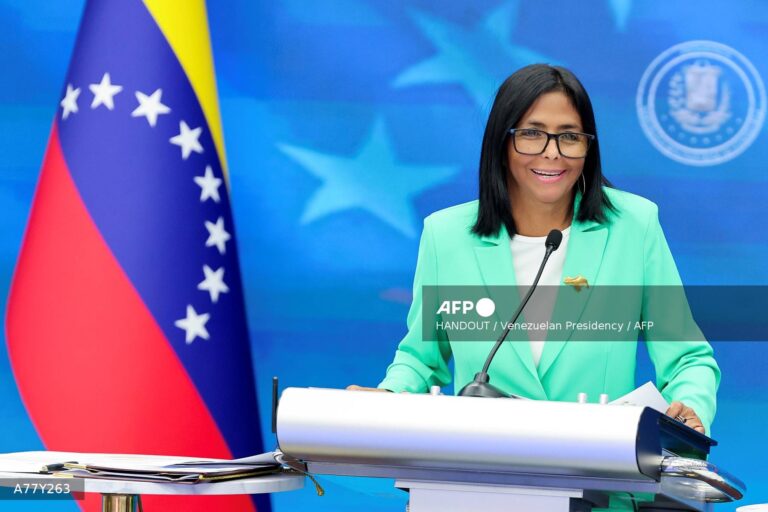
LInterim Venezuela President, Delcy Rodriguez, is poised for a historic visit to the United States, potentially becoming the first sitting Venezuelan head of state to make such a trip in more than 25 years, excluding trips to the UN in New York.
A senior U.S. official confirmed she would visit soon, although no date has been set. Rodriguez said she will engage Washington “without any fear” in efforts to bridge differences and “to address them through diplomacy.”
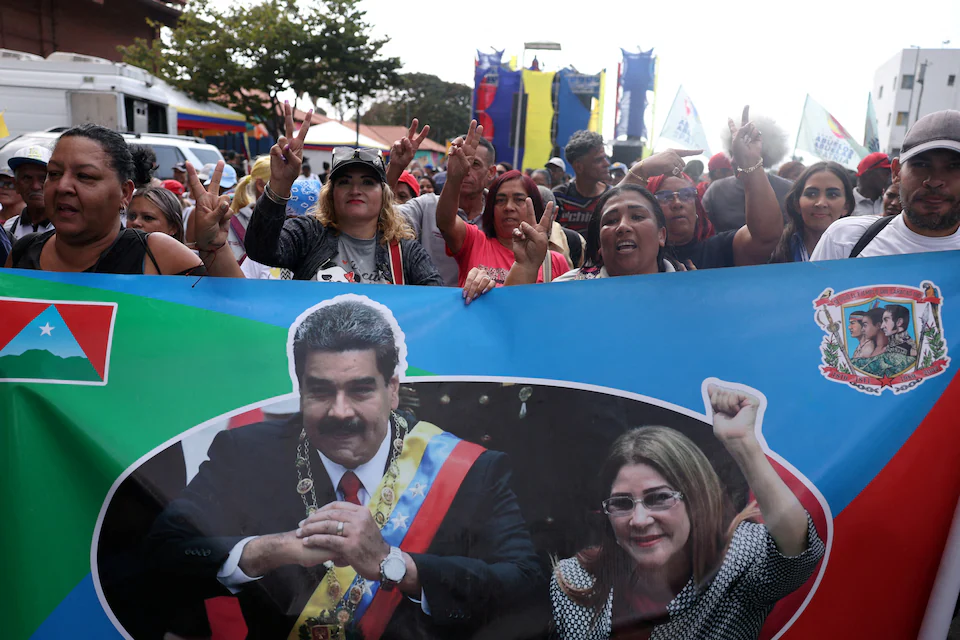
Her planned trip underscores a dramatic turnaround in U.S.–Venezuelan relations following a controversial and high‑stakes U.S. military operation that resulted in President Nicolás Maduro’s capture in Caracas and his subsequent transfer to the United States to face longstanding narcotrafficking charges.
Rodriguez, long a regime insider as former vice president under Maduro, has shifted her posture since being sworn in as interim president after Maduro’s ouster.
Despite remaining under U.S. sanctions, including an asset freeze, she has begun reshaping the country’s military leadership with new regional commanders and signaling greater openness to U.S. engagement.
As part of this pivot, Rodriguez has facilitated the sale of Venezuelan oil with Washington’s help, encouraged foreign investment, freed dozens of political prisoners, and allowed U.S. naval assets to remain off Venezuela’s coast, moves that mark a sharp departure from Caracas’s historically hostile stance toward Washington.
— All for oil —
This would be the first bilateral visit by a sitting Venezuelan president since the 1990s, before Hugo Chávez’s long tenure and the country’s sustained estrangement from the U.S. Since then, Caracas had forged closer ties with nations such as China, Cuba, Iran and Russia.
Rodriguez’s proposed trip is not without internal controversy: hardliners within her government remain deeply skeptical of Washington.
Figures such as Interior Minister Diosdado Cabello and Defence Minister Vladimir Padrino López continue to wield significant influence, and their support for closer U.S. engagement is not assured. Cabello has publicly denied meeting with U.S. officials in connection with the Maduro ouster.
Meanwhile, in Washington, former President Donald Trump has signaled a pragmatic willingness to work with Rodriguez, prioritizing access to Venezuela’s vast oil reserves and political stability over regime change.
Trump’s outreach has included engagement with prominent opposition figures, including Nobel laureate and exiled opposition leader María Corina Machado.
Experts say Trump’s cautious engagement with Rodriguez reflects lessons from past U.S. interventions and a desire to avoid destabilizing outcomes.
“Those kinds of intervention operations, and the deployment of troops for stabilization, have always ended very badly,” longtime politics specialist Benigno Alarcon noted.
Yet Trump’s approach has drawn ire from democracy activists who argue that all political prisoners should be freed with amnesty and that Venezuela must hold fresh, credible elections, a demand central to opposition calls for democratic renewal.