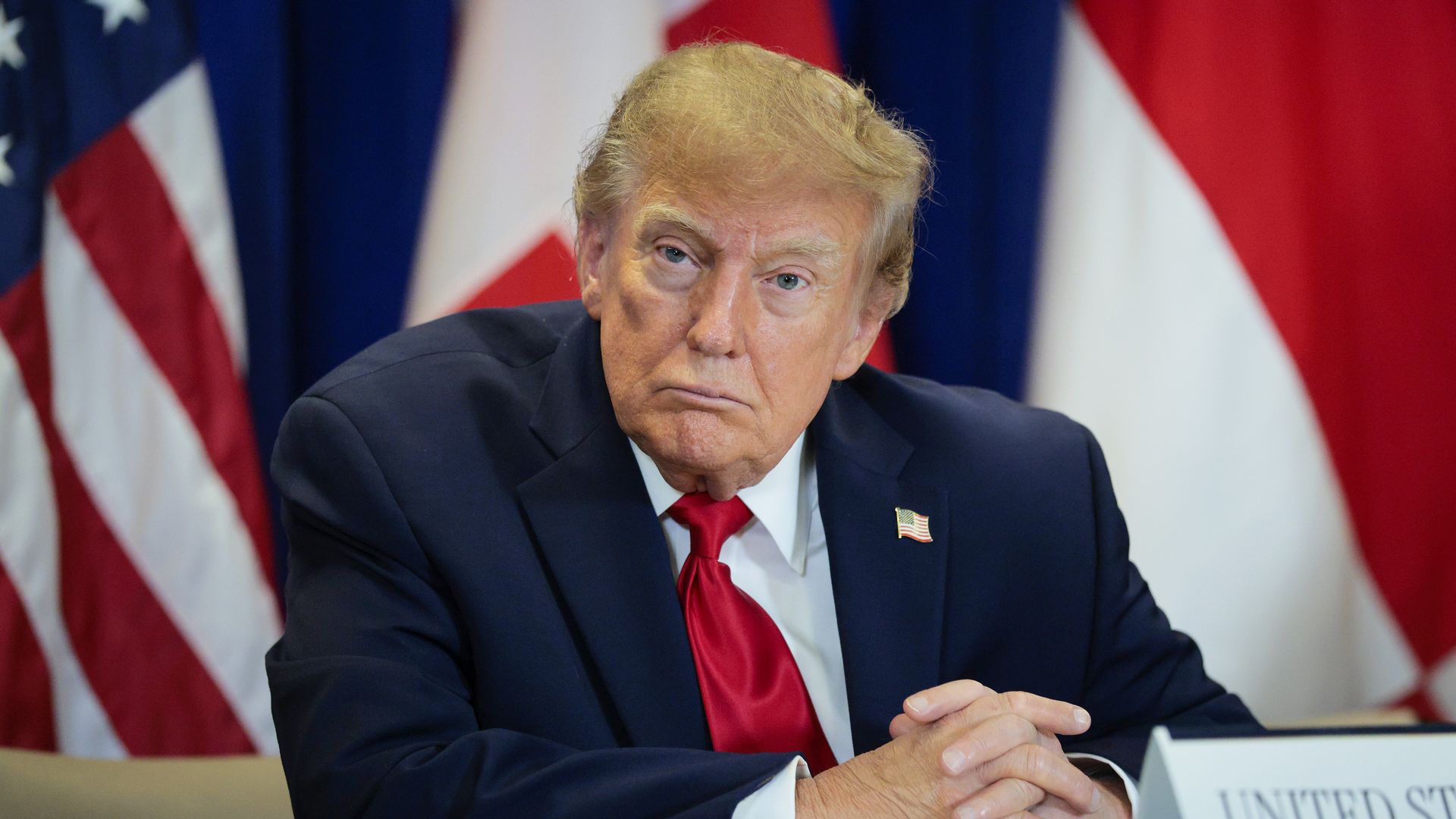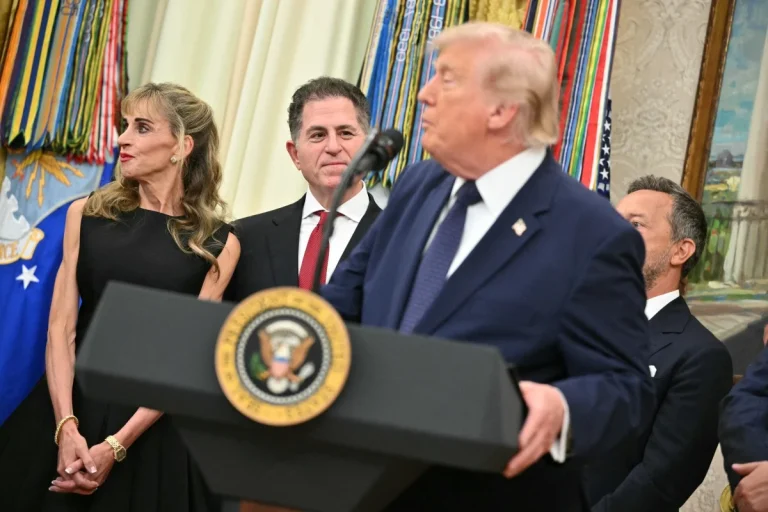
United States President, Donald Trump, has acknowledged that he requested FIFA to review the one-match suspension handed to striker Folarin Balogun during the World Cup, saying enforcing the ban would have left a “big stain” on the tournament.
Balogun, 25, had been due to miss the United States’ round-of-16 clash against Belgium after receiving a straight red card for a challenge on Bosnia-Herzegovina defender Tarik Muharemović in the previous round.
However, FIFA overturned the automatic suspension by placing it on hold for 12 months, a move that sparked criticism from UEFA, Belgium and England manager Thomas Tuchel.
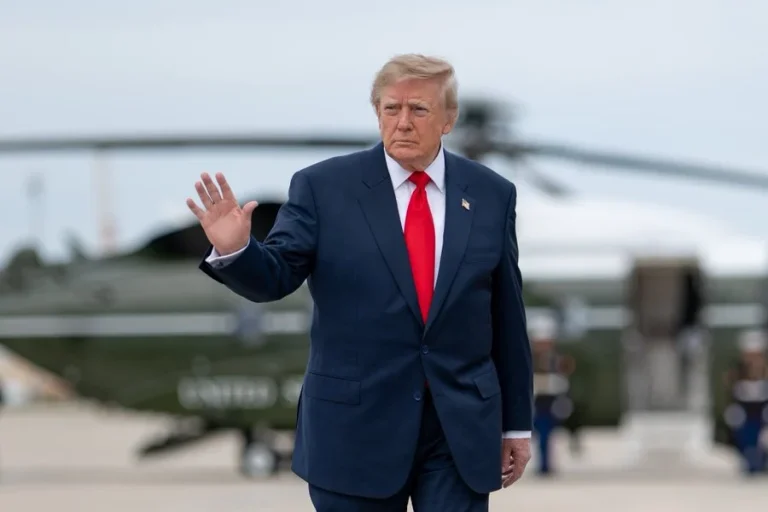
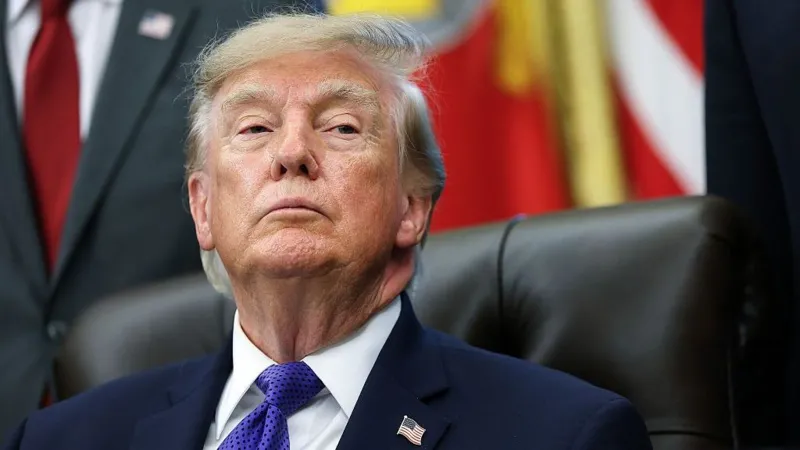
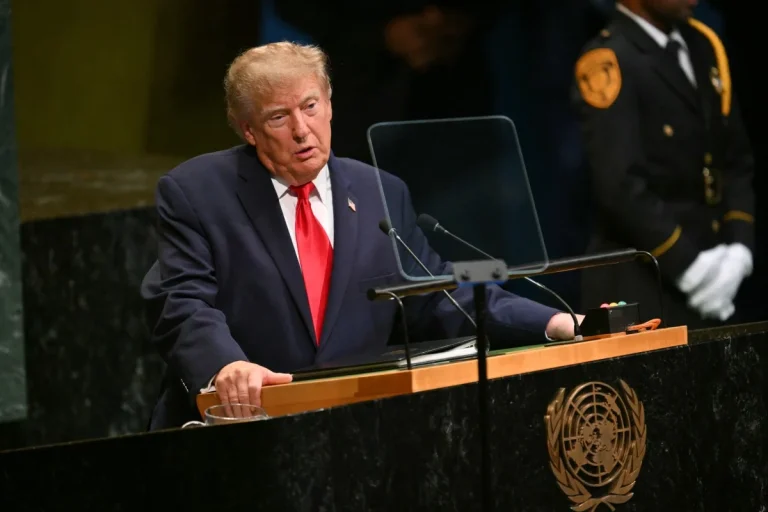
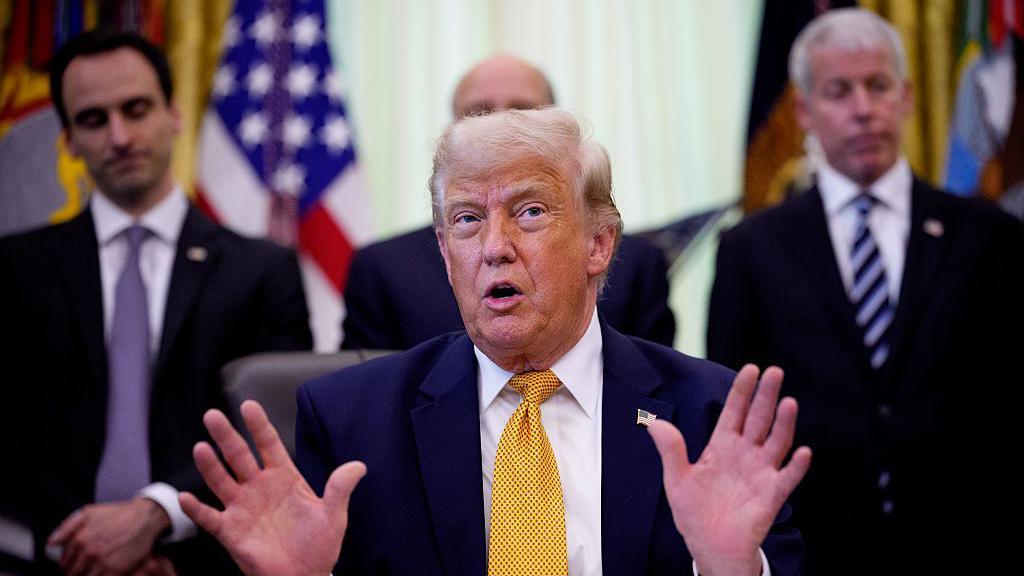
Speaking at the White House on Monday, Trump confirmed he had contacted FIFA president Gianni Infantino, insisting that he merely asked for the decision to be reviewed and did not instruct FIFA to lift the suspension.
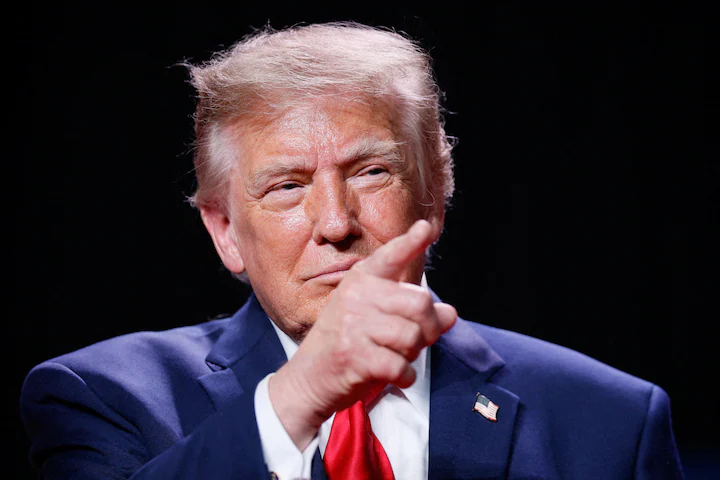
“I think it the suspension would have left a big stain. I can’t tell them what to do. I don’t believe they made the decision; I believe it was the commission that made the decision. And it was the right decision.”
Trump also criticised referee Raphael Claus for dismissing Balogun, describing the decision as “horrible” and calling the Brazilian official “a little bit suspect”.
In a statement posted on X, Infantino revealed that after receiving Trump’s call, he informed the US President that the disciplinary matter was already before FIFA’s independent judicial bodies.
“an ongoing legal process involving FIFA’s independent judicial bodies and that the case would be decided in due course by the competent bodies”.
Earlier on Monday, the Royal Belgian Football Association said it was “astonished” by FIFA’s decision, while UEFA warned on Tuesday that the ruling threatened the integrity of the game.
When approached by BBC Sport for a response to Trump’s remarks, his criticism of Claus, Belgium’s objections and the appeals process, FIFA said it had “nothing more” to add “for now”.
Infantino later stressed that FIFA’s judicial bodies operate independently and that their decisions must be respected.
“I read the decisions of the FIFA Disciplinary Committee when they are issued. Sometimes I am surprised by them. Sometimes I agree with them, and sometimes I disagree.
“What I always do, however, is respect those decisions and the autonomy of the bodies that make them. Whether we personally like a decision or not is irrelevant.
“Respect for independent institutions and the rule of law is what protects the integrity of our competitions and the credibility of FIFA at all times.”
Tuchel also argued that the ruling could create a dangerous precedent for future tournaments.
UEFA maintained that intervening to effectively overturn a suspension during a World Cup had “crossed a red line”.
Since the competition began, only one of the previous 189 World Cup red cards had not resulted in a suspension.
That exception involved Brazil’s Garrincha at the 1962 World Cup, before automatic suspensions were introduced, in a case later surrounded by allegations of political interference.
FIFA relied on Article 27 of its disciplinary code, which permits disciplinary sanctions to be partially suspended, in announcing that Balogun’s one-match suspension would instead be placed on probation for one year.
Despite citing the regulation, FIFA has not given a detailed explanation for applying it in Balogun’s case.