Protests over soaring fuel prices have erupted in Syria, Guatemala, Portugal, France and the Philippines as the ongoing United States-Iran conflict disrupts energy supplies and pushes global oil prices higher.
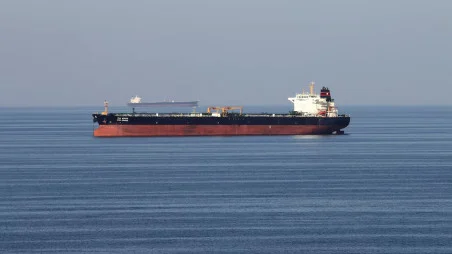
Oil prices rose above $100 per barrel last week following further US strikes on Iranian oil tankers in the Gulf and renewed fighting in Yemen, which has raised concerns over shipping through the Bab al-Mandab Strait.
The surge has increased pressure on households and businesses, particularly in less wealthy countries where higher fuel costs have strained national finances and reduced consumers’ purchasing power.
In Syria, demonstrations broke out after the government sharply increased fuel prices. Diesel prices were raised to 175 Syrian pounds ($1.43) per litre, representing an increase of about 40 per cent, while gas prices rose by more than 25 per cent, according to the Syrian news agency, SANA.
The Syrian Energy Ministry attributed the increases to rising global fuel prices and maintenance work at the country’s largest refinery in Baniyas, which has increased its dependence on imported fuel.
Several demonstrations were peaceful, but protesters in Hasaka blocked the Hasaka-Deir ez-Zor highway on Sunday, burning tyres and stopping oil tankers, according to the global conflict monitor ACLED.
“Fuel availability, rising prices, falling purchasing power, and poor services are all reasons that have accumulated public resentment, although demands are also shifting toward reversing decisions and removing officials, including the energy minister, showing that economic grievances are turning into grievances against the government,” said Muaz Al Abdullah, a Syria analyst at ACLED.
One Syrian protester, Yasser Salim, told Reuters, “All those present here want a reduction in diesel prices. We don’t want higher wages, we want cheaper (fuel).”
Another protester, Bassam al-Ali, said, “We do not want roundabouts, every day they (the government) build a new roundabout that costs a million thousand dollars, and malls and I don’t know what … Your people were with you, is still with you now and will remain with you – but this will let things explode.”
In Guatemala, organised truckers and other protesters blocked highways and damaged property in several parts of the country last week in opposition to rising fuel prices, according to the Associated Press.
Other demonstrators marched peacefully through Guatemala City, demanding government intervention.
The country’s Congress is considering legislation that would cap fuel prices until the end of the year, with the government potentially subsidising importers when prices rise above the proposed limit.
“This is an issue that must be resolved as a country. The executive, the legislative, and everyone else involved must resolve it. People cannot pay these prices and not feel the impact on their finances,” said the president of Congress, Luis Contreras Colindres.
“Diesel is the engine that drives this country’s economy,” Contreras said, according to Guatemala’s national news agency, AGN.
In Portugal, about 80 people demonstrated in the coastal city of Espinho on Saturday over rising fuel prices and the broader increase in the cost of living.
The protest, organised by local business leaders, ended at the home of Prime Minister Luís Montenegro in the city.
The Portuguese Firefighters’ League has also warned that higher fuel prices are placing increasing financial pressure on fire brigades and volunteer organisations.
The government subsequently announced measures to ease the impact, including assistance for freight operators, taxi drivers, firefighters and the social sector.
In France, about 50 fishermen blocked a major fuel depot in Fos-sur-Mer on Tuesday over rising fuel prices. The blockade lasted several hours and briefly led to clashes with police, according to BFMTV.
The town’s mayor, Philippe Maurizot, said the fishing sector was facing a “profound crisis that demands an urgent and strong response from the state,” adding that the protesters’ anger “must be heard.”
“Rising costs, increased fuel prices, a growing number of constraints, insufficient income, and a lack of visibility are placing some professionals in an untenable situation,” he said in a letter to the French prime minister.
Meanwhile, transport workers in the Philippines staged a strike on Monday against fuel price increases, demanding government subsidies and the removal of fuel taxes.
Petroleum companies raised petrol prices by 5.68 pesos per litre on Tuesday, while diesel and kerosene prices also increased, according to the Philippine News Agency.
“We know that every increase at the pump affects more than the cost of filling up a vehicle. It affects the daily budget of families, the livelihood of our drivers, and the operating costs of businesses,” Energy Secretary Sharon S. Garin said.
The latest protests add to months of unrest over energy costs in the Philippines, where transport workers, motorists and student groups have protested against the wider cost-of-living crisis.