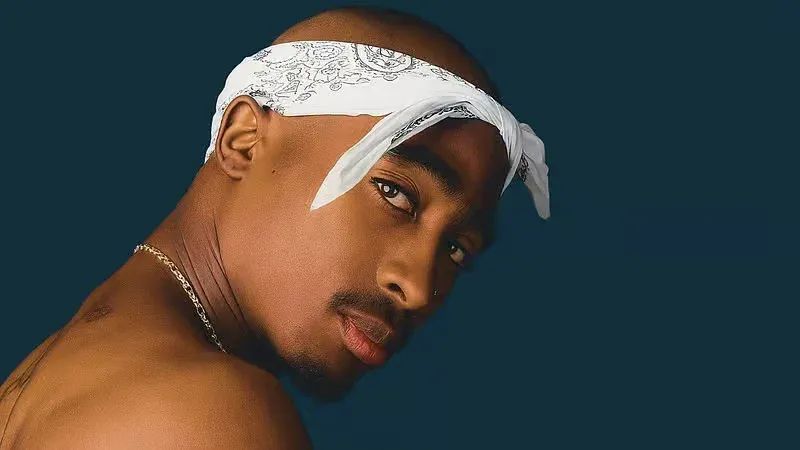
A former gang leader, Duane “Keffe D” Davis, is set to face trial in Las Vegas over the 1996 killing of American rapper Tupac Shakur, nearly three decades after the hip-hop star was fatally shot.
The trial, which is expected to last about a month, centres on allegations that Davis helped orchestrate the drive-by shooting that claimed Shakur’s life.
Prosecutors allege that Davis, a former leader of the South Side Compton Crips, supplied the firearm used in the attack and ordered the killing following a confrontation involving members of his gang.
Shakur, popularly known as 2Pac, was shot on September 7, 1996, while riding in a car with Death Row Records boss Marion “Suge” Knight in Las Vegas.
The rapper had been in the city to attend a boxing bout involving Mike Tyson.
According to prosecutors, hours before the shooting, Shakur and Knight were involved in a physical altercation with Orlando “Baby Lane” Anderson, Davis’s nephew and a member of the Crips.
Investigators believe the confrontation was connected to an earlier dispute involving a member of Death Row Records.
Later that night, a white Cadillac reportedly pulled alongside the vehicle carrying Shakur and Knight before gunfire erupted.
Shakur was struck several times and died from his injuries six days later at the age of 25.
The killing became one of the most prominent unsolved cases in American music history and fuelled years of speculation over who was responsible.
Davis was arrested in September 2023 after authorities revived the investigation, partly following revelations contained in his 2019 memoir.
In the book, Davis acknowledged that he was sitting in the front passenger seat of the Cadillac during the shooting and said he passed a gun to people seated in the back.
However, he did not identify the person who fired the shots.
Davis has since denied involvement in the murder and pleaded not guilty.
In a 2025 interview with ABC News, he insisted, “I’m innocent. I ain’t killed nobody. Never did ever kill nobody.”
He also claimed investigators had insufficient evidence against him, saying, “They don’t have no evidence against me. They can’t even put me in Las Vegas.”
Davis further alleged that he was in Los Angeles when Shakur was killed and claimed he had never personally read the memoir in which his account of the incident appeared.
According to him, his co-author expanded on information he had provided in order to make the book commercially successful.
Davis’s lawyers unsuccessfully sought to prevent prosecutors from using portions of the memoir and a 2008 police interview as evidence.
Jury selection is expected to begin the proceedings and could take about a week.
If convicted, the 63-year-old Davis could face life imprisonment without the possibility of parole.
Shakur’s murder was closely linked to the bitter rivalry between the East Coast and West Coast factions of the American hip-hop industry during the 1990s.
The rapper was signed to Death Row Records, while his major rival at the time, The Notorious B.I.G., was associated with Bad Boy Records.
The Notorious B.I.G., whose real name was Christopher Wallace, was also murdered in Los Angeles less than six months after Shakur’s death.
The long-running case has continued to generate new allegations. A recent television documentary reportedly featured claims by Davis that Sean “Diddy” Combs had offered him $1 million to kill Shakur.
Combs, who is currently serving a prison sentence, has been linked to various theories surrounding the longstanding feud, though the allegations remain contested.
Meanwhile, Shakur’s stepbrother, Maurice Shakur, filed a wrongful-death lawsuit in May, arguing that other people connected to the rapper’s killing have yet to be held accountable.
The criminal trial is therefore expected to renew public attention on one of the most enduring mysteries in the history of hip-hop.