Brazil’s former President, Jair Bolsonaro, has been found guilty of attempting to overturn the country’s 2022 election, in a case that prosecutors say included plans to assassinate the president-elect.
A panel of Brazil’s Supreme Court voted four to one to convict Bolsonaro on all five counts, sentencing him to 27 years and three months in prison.
Bolsonaro was convicted of plotting a coup d’état, participating in an armed criminal organization, attempting to abolish Brazil’s democratic order by force, committing violent acts against state institutions, and damaging protected public property during the January 8, 2023, storming of government buildings by his supporters.
Prosecutors alleged that part of the coup plan involved using explosives, weapons of war, or poison to target leftist President Luiz Inácio Lula da Silva, Vice President Geraldo Alckmin, and Supreme Court Justice Alexandre de Moraes, who presided over Bolsonaro’s trial. Bolsonaro and other defendants have denied any wrongdoing.
The case largely focused on Bolsonaro’s attempts to cling to power after losing the 2022 election.
Federal police stated that he had “full knowledge” of a scheme to overturn the election results, pressure the military to intervene, and even establish a parallel “crisis management office” to run the government.
Prosecutors said the plot began in 2021, aiming to undermine public trust in Brazil’s electoral system.
After Bolsonaro’s defeat, supporters were encouraged to mobilize in Brasília, resulting in the vandalism of the nation’s three government seats on January 8, 2023.
Justice Moraes, the first to cast a guilty vote, said the defendants “committed all the criminal offenses imputed by the Attorney General’s Office.”
Justices Flávio Dino, Cármen Lúcia, and Cristiano Zanin also voted to convict.
The verdict now leaves 70-year-old Bolsonaro facing the possibility of spending the rest of his life in prison, as well as an eight-year ban from holding public office, according to CNN Brasil.
Defense lawyers may still appeal, but once all challenges are exhausted, the ruling will be final and prison terms enforceable.
A Polarized Nation
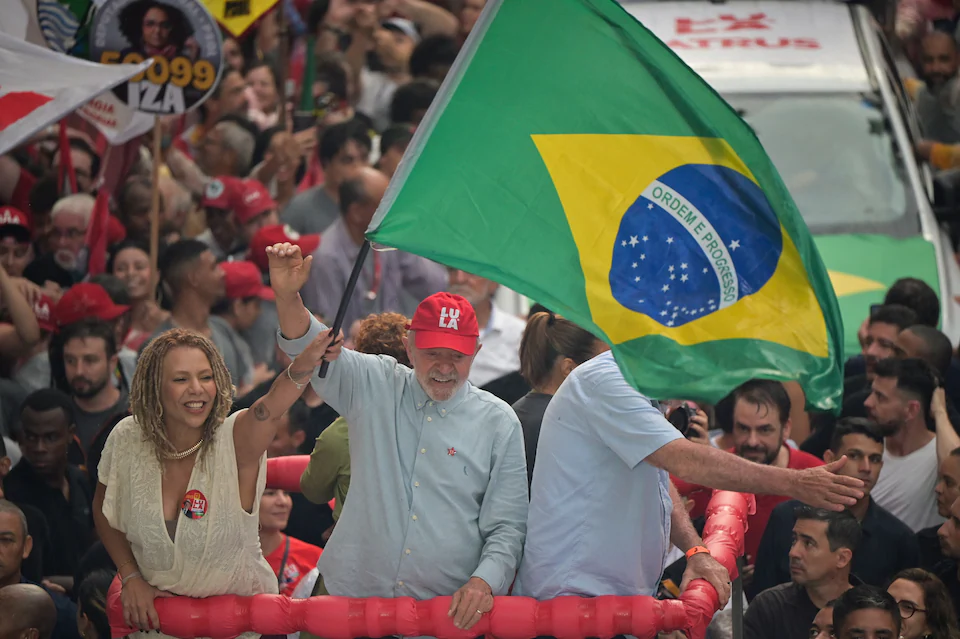
The trial, occurring ahead of the 2026 general election, has deeply divided Brazil. Thousands of Bolsonaro supporters protested the legal proceedings on Independence Day over the weekend.
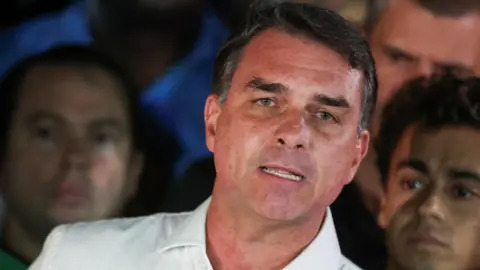
Bolsonaro’s eldest son, Senator Flavio Bolsonaro, criticized the verdict, taking aim at Justice Moraes, “Under the pretext of defending democracy, the pillars of democracy were broken to condemn an innocent person who dared not to bow to a dictator named Alexandre de Moraes.”
Bolsonaro has long claimed the trial is a political witch hunt, a sentiment echoed by the United States President, Donald Trump, who imposed a 50% tariff on Brazil after threatening to act if the trial continued.
Trump’s administration has sanctioned Moraes for what it called “serious human rights violations” and announced visa restrictions against him and other court officials.
When asked about Bolsonaro’s conviction, Trump expressed surprise: “I thought he was a good president of Brazil, and it’s very surprising that that could happen.”
US Secretary of State Marco Rubio called the verdict “unjust” on X, adding that the US “will respond accordingly to this witch hunt.” Brazil’s foreign ministry, however, pushed back, saying the country would not be “intimidated.”
Eduardo Bolsonaro, another son of the former president, told Reuters he anticipates further US sanctions against Brazilian officials, including the justices who voted to convict.
While Bolsonaro’s supporters and some on Brazil’s right have welcomed Trump’s attention to the case, the current administration in Brasília and many others view it as foreign interference.
Justice Luiz Fux, the sole dissenting vote, argued Wednesday that Bolsonaro should be acquitted, asserting that Lula da Silva was never overthrown and that the court lacks jurisdiction to hear the case.
Bolsonaro joins a growing list of Latin American leaders recently convicted of crimes. Last month, former Colombian President Álvaro Uribe received a 12-year house arrest sentence for procedural fraud and witness bribery, which he is appealing. In 2022, Argentina’s ex-leader Cristina Fernández de Kirchner was convicted of corruption related to public works.
Brazil’s current President, Lula da Silva, was also found guilty of corruption and money laundering in 2017, serving more than a year in prison before his conviction was annulled.