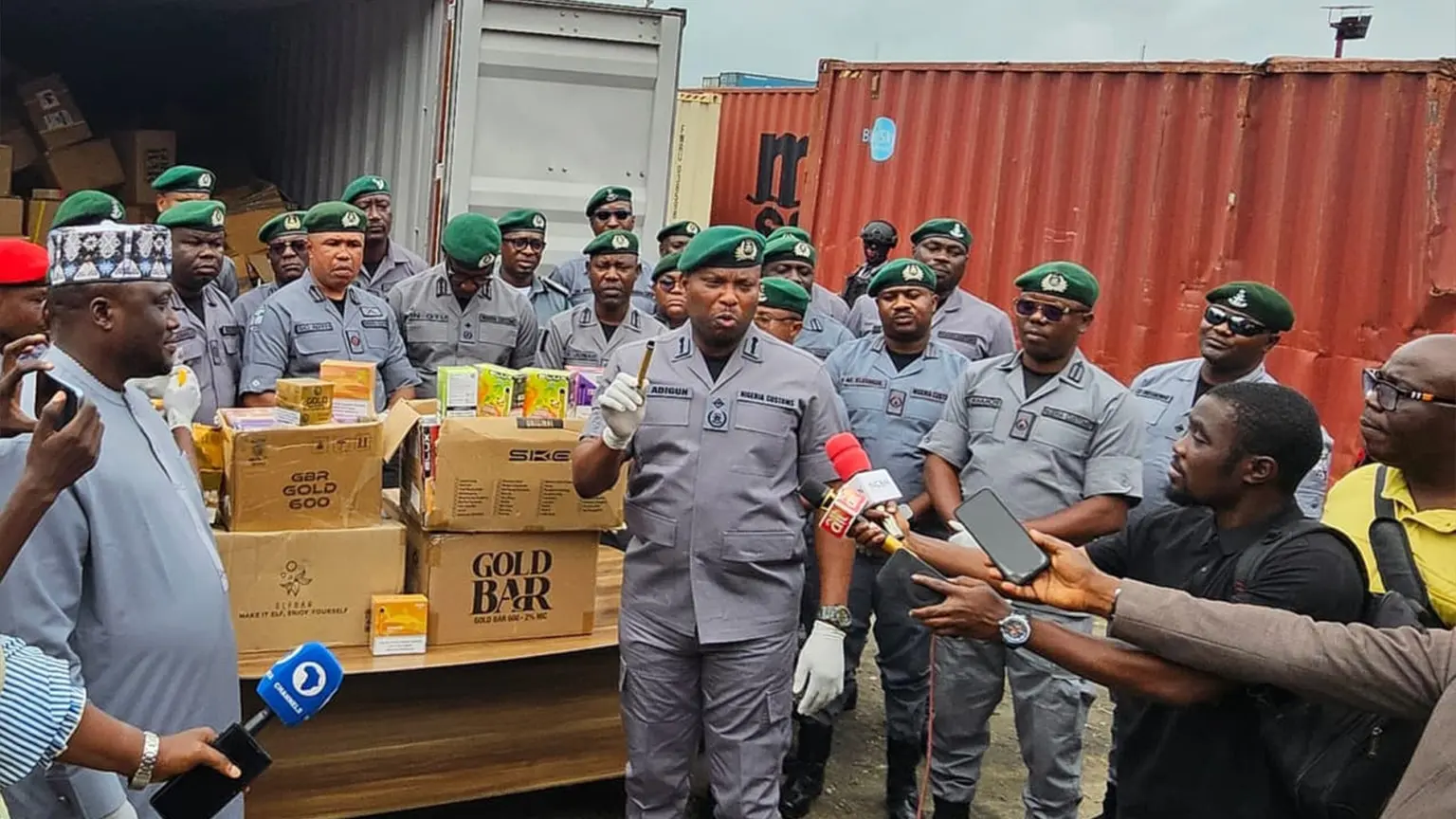
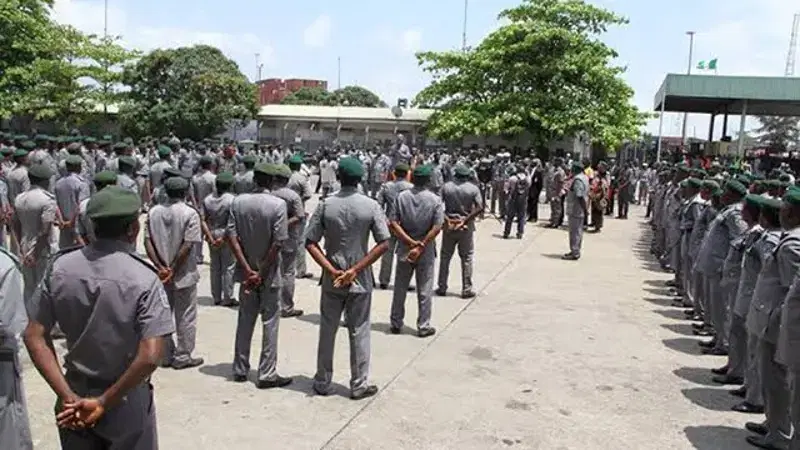
The Nigeria Customs Service has issued a two-week ultimatum to importers and clearing agents of 905 overtime cargoes at Lagos ports to clear their consignments or risk forfeiture to the Federal Government.
According to The PUNCH, the Service said the affected containers and vehicles are currently stationed at its Apapa, Tin Can Island and Ports & Terminal Multipurpose Limited commands.
According to the notice, the Service will, at the expiration of the 14-day grace period, begin the process of disposing of the uncleared cargoes in accordance with the Customs Act 2023.
“In line with the NCS Act 2023, the underlisted overtime containers and vehicles are hereby published for the information of the public. Importers and agents are given a two-week grace period from the date of this publication to process and clear their goods or forfeit them to the Federal Government of Nigeria,” the notice read in part.
Figures from the notice show that out of the 905 overtime cargoes, 438 are 40-foot containers and 120 are 20-foot containers. Also listed are 60 used vehicles, 60 groupage containers, and 15 scrap metal consignments.
The Comptroller-General of Customs, Mr Bashir Adewale Adeniyi, said the move is in line with the mandate to decongest the nation’s seaports and improve efficiency in cargo movement.
“Our goal is to enhance trade facilitation and reduce bottlenecks caused by uncleared consignments. Port congestion hinders economic growth, and this is a step in the right direction,” Adeniyi said.
National Public Relations Officer of the NCS, Abdullahi Maiwada, explained that the value of the goods varies and encouraged importers to take advantage of the grace period.
“The items do not have the same value, so duties will differ accordingly. Even two vehicles of the same model and year may not attract the same duty because usage varies,” he said.
Industry stakeholders, however, blamed the pile-up on economic challenges and systemic issues. Head of Research at Sea Empowerment and Research Centre, Mr Eugene Nweke, said, “High exchange rates, inflation, high clearance costs and low purchasing power make it difficult for importers to clear goods promptly.”
Also speaking, Secretary of the Western Zone of the National Association of Government Approved Freight Forwarders (NAGAFF), Mr Stanley Ezenga, pointed to systemic inefficiencies.
“No importer willingly abandons goods he has invested in. Overtime starts counting after 28 days. If the system works effectively to aid prompt clearance, we wouldn’t have this volume of overtime containers littering our ports. System failure is the real cause,” he stated.
The Customs boss last year inaugurated a committee on the disposal of overtime cargoes as part of efforts to speed up cargo movement and free space at port terminals.