The Australian government has proposed imposing fines of up to five per cent of global revenue on major technology companies that fail to remove harmful content from their platforms.
The proposed digital duty of care legislation, announced on Tuesday, could affect companies such as Google and Meta, marking a significant increase from an earlier proposed penalty of 109 million Australian dollars ($72.2m).
The bill, agreed upon by the centre-left Labor government and the Greens in the Senate, is expected to pass through Parliament this week.
It will also give individuals the right to sue technology platforms for allegedly enabling wrongdoing.
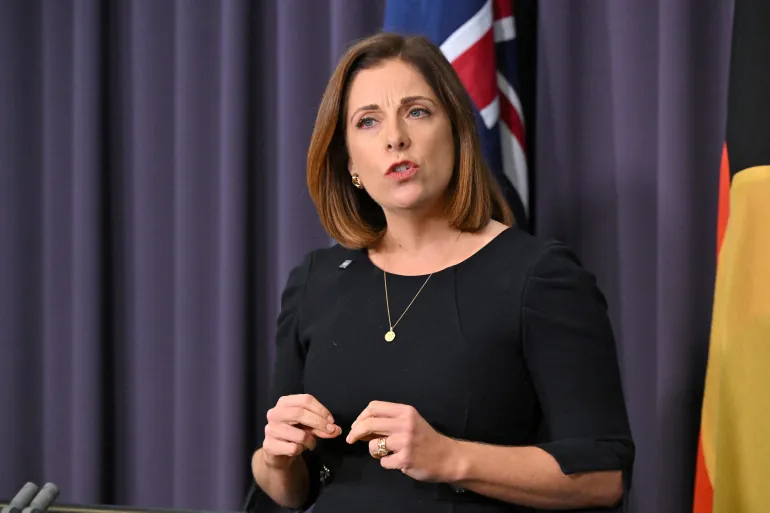
Communications Minister Anika Wells described the proposed legislation as a major reform, saying the government was determined to secure its passage.
“This is seismic reform, this is urgent reform and this is reform we will deliver to Australians in Parliament this week,” Wells told reporters.
The legislation seeks to replace existing industry-specific codes of conduct covering messaging applications, search engines and artificial intelligence chatbots with a unified legal framework requiring companies to proactively identify and prevent harmful online experiences.
The targeted content includes child sexual abuse material, non-consensual fake nude images, gender-based violence, promotion of self-harm and terrorism-related content.
The proposal will also allow Australians aged 16 and above to disable algorithm-driven feeds as part of efforts to address addictive features on social media platforms.
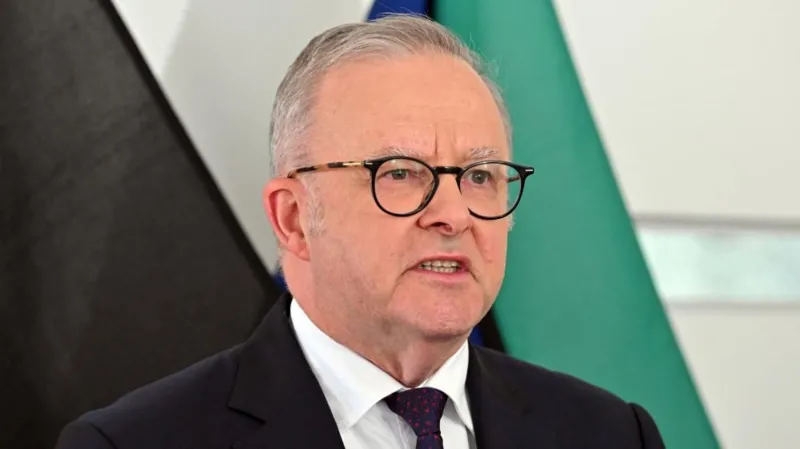
Prime Minister Anthony Albanese said the legislation was designed to protect children and families from the negative effects of online platforms.
“It’s about Australia taking action on the side of parents and children, not foreign-owned tech companies,” Albanese told Parliament.
“World-leading reform and we are getting it done. Just like we have led the world when it comes to the under-16s social media ban. This is the next step.”
Although technology companies have generally supported efforts to improve child protection and reduce harmful online content, many have opposed the proposed law over concerns that it gives government officials considerable discretion in determining what constitutes harmful material.
Industry groups have also warned that the threat of substantial financial penalties could push platforms into excessive content moderation, potentially leading to the removal of legitimate posts to avoid sanctions.
However, Greens Senator Sarah Hanson-Young defended the legislation, arguing that technology companies had exercised excessive influence over users’ online experiences without sufficient accountability.
“Big tech for far too long has run our lives, dictated what we see in our social media feeds, and pumped our feeds full of addictive, harmful content and thought that they could just get away with it,” she said at a news conference.