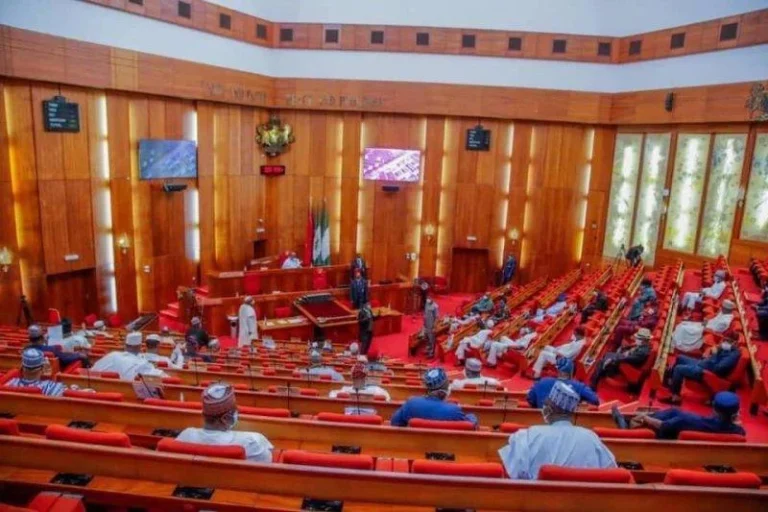
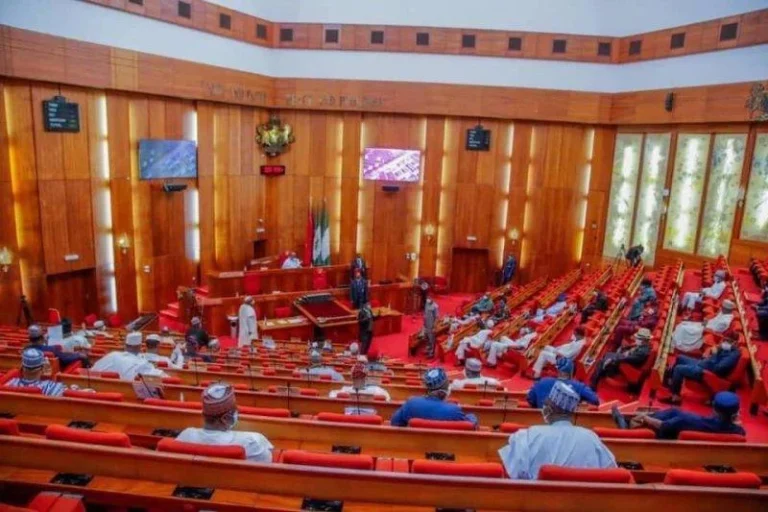
The Senate has concluded the constitutional amendment process for the proposed establishment of state police, following approval by all 36 state Houses of Assembly, and is preparing to forward the bill to President Bola Tinubu for assent.
The decision was reached on Wednesday after lawmakers considered a motion sponsored by the Senate Leader, Opeyemi Bamidele, who said the amendment had met the constitutional requirements for passage.
The proposed Constitution of the Federal Republic of Nigeria (Sixth Alteration) Bill, 2026, seeks to introduce State Police Services into Nigeria’s policing system.
Bamidele said the Senate and House of Representatives had approved the bill on June 24 and July 23, 2026, respectively, before it was sent to the state legislatures for ratification in accordance with Section 9(2) of the 1999 Constitution.
He noted that all 36 state assemblies had now submitted their resolutions in support of the proposed amendment, completing the required legislative process.
“The Bill has fulfilled the conditions set out in Sections 9(1) and (2) of the Constitution for a Constitutional amendment of this nature to be passed,” Bamidele said.
The Senate subsequently approved a motion authorising the Clerk of the National Assembly to transmit the bill to the President for assent in line with the Acts Authentication Act, 2004.
Lawmakers also acknowledged Tinubu’s support for the proposed reform, commending him for backing the initiative throughout the legislative process.
“We thank Mr President for taking ownership and boldly supporting the Bill throughout the process,” the motion stated.
Despite the completion of the constitutional amendment process, the Senate stressed the need for additional legislation to guide the implementation and administration of state police.
It therefore urged Tinubu to submit a National Policing Bill to the National Assembly for consideration and passage, saying the legislation would establish the legal and operational framework for the new policing structure.
The proposed framework is expected to outline how state police would function within Nigeria’s security architecture.
The development marks a significant step towards decentralising policing in the country, as calls for state-controlled security structures have intensified amid persistent security challenges and concerns over the effectiveness of the centralised police system.