President Bola Tinubu has submitted a bill to the Senate seeking to decriminalise attempted suicide in Nigeria and ensure that survivors receive medical attention, rehabilitation and appropriate support.
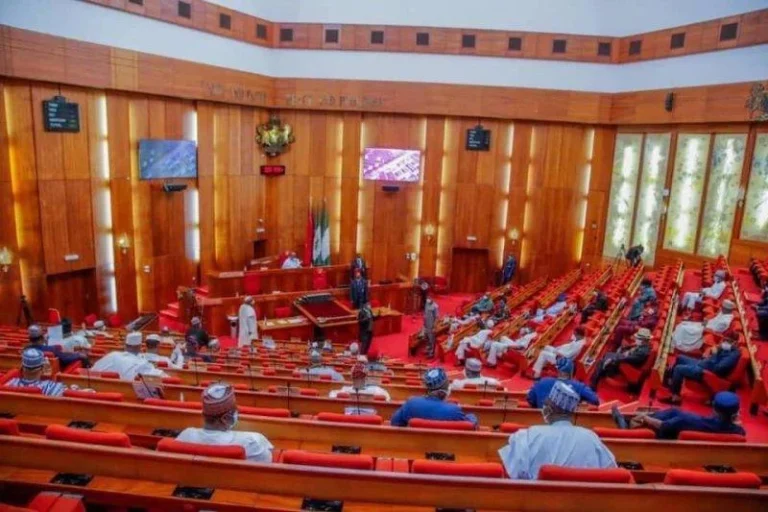
The proposed National Mental Health Amendment Bill 2026, which seeks to amend the National Mental Health Act 2021, was conveyed to the Senate in a letter read by Senate President Godswill Akpabio during plenary on Tuesday.
In the letter, Tinubu urged the lawmakers to consider and pass the proposed legislation, expressing hope that it would receive expeditious attention.
The President said the bill was transmitted in accordance with Section 58(2) of the 1999 Constitution, as amended.
The move comes amid ongoing legislative discussions on whether attempted suicide should remain a criminal offence in the country.
Earlier, the Senate had passed a separate bill seeking to remove criminal sanctions for attempted suicide at second reading. The bill was sponsored by Senator Asuquo Ekpenyong, representing Cross River South.
During the debate, Ekpenyong argued that retaining criminal penalties contradicted the National Mental Health Act, which recognises attempted suicide as a psychiatric emergency requiring immediate intervention.
He maintained that prosecuting survivors could discourage people experiencing suicidal thoughts from seeking help and encourage families to conceal such incidents for fear of legal consequences and social stigma.
The senator argued that individuals who survive suicide attempts should receive protection and treatment rather than punishment.
Meanwhile, Akpabio, who had earlier opposed the proposed decriminalisation, appeared to soften his position following the President’s intervention.
During the earlier debate, the Senate President had insisted that attempted suicide remained an offence under existing laws, declaring: “Therefore, if you attempt it, you better succeed. If you don’t succeed, we will send you to prison.”
However, reacting to Tinubu’s letter on Tuesday, Akpabio clarified that his previous position was not intended to cover individuals experiencing mental health challenges.
He said: “I did not include people who are mentally disturbed because they don’t have a mental balance to know what they are doing.”
Akpabio added that punishing people whose actions were influenced by mental health conditions would be insensitive.
The Senate President subsequently referred the proposed amendment to the Senate Committee on Rules and Business for further legislative consideration.