The Federal Government and the National Assembly have called for the mobilisation of N70bn over five years to eliminate noma disease and expand access to oral healthcare across Nigeria.
The Minister of State for Health and Social Welfare, Dr Iziaq Salako, made the call on Monday at the 2026 Oral Health Week, National Noma Day and Scientific Conference in Abuja.
He said the proposed funding would support the implementation of the National Oral Health Strategic Plan (2026–2030), which seeks to strengthen preventive healthcare, promote early diagnosis and integrate oral health services into primary healthcare delivery.
Salako described noma as a life-threatening disease that can rapidly destroy facial tissues, explaining that what initially appears to be a minor gum infection could develop into severe complications within days without prompt medical attention.
He said, “The strategic plan was developed in consultation with the Nigerian Dental Association and other stakeholders to strengthen health promotion, early detection and access to quality oral healthcare.”
According to the minister, noma disproportionately affects children living in poverty, particularly those experiencing malnutrition and limited access to medical services.
He noted that survivors often suffer facial deformities, disabilities and social stigma, stressing the need to prioritise prevention and early intervention.
Salako said the government was training frontline health workers, community volunteers and traditional birth attendants to identify early signs of the disease and ensure suspected cases receive immediate medical attention.
He also identified the Noma Children’s Hospital in Sokoto and the national treatment facility in Abuja as critical centres providing reconstructive surgery, rehabilitation and psychosocial support to affected children.
Expressing concern over the country’s oral healthcare challenges, the minister disclosed that more than 80 per cent of Nigerians had never visited a dentist, while the dentist-to-population ratio remained approximately one to 38,000.
He said the Federal Government was exploring the Basic Health Care Provision Fund and other health sector initiatives to improve dental infrastructure, recruit more professionals and expand school-based oral health programmes.
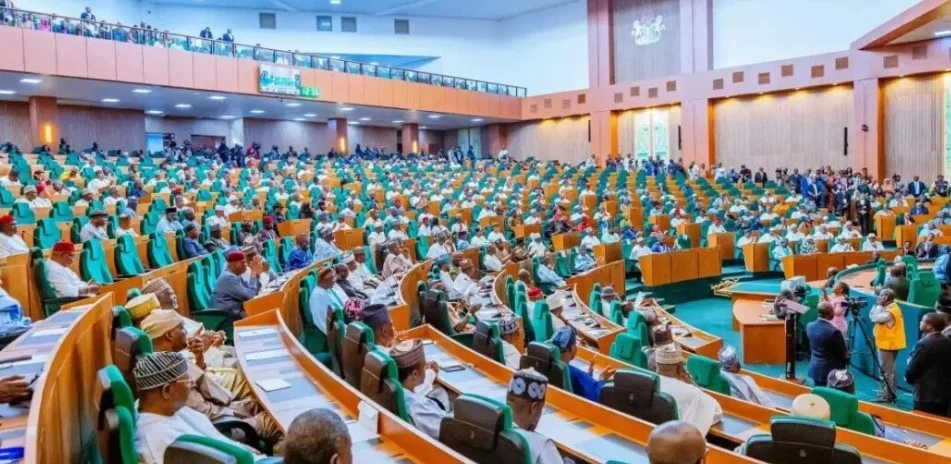
The National Assembly also pledged legislative and financial backing for the initiative.
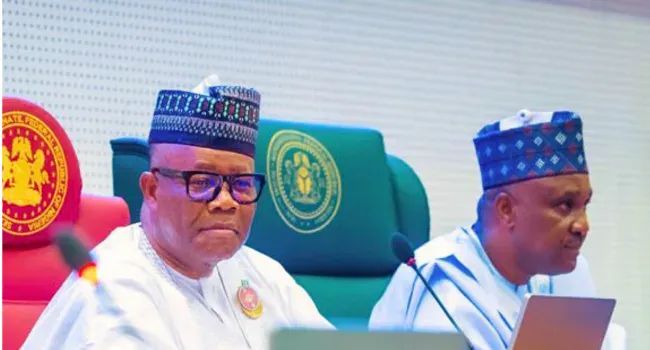
The Senate Committee on Health, chaired by Senator Ipalibo Harry-Banigo, described noma as a preventable and treatable disease that should no longer claim the lives of Nigerian children.
The committee disclosed that funding for the Basic Health Care Provision Fund had been increased from one to two per cent to strengthen frontline healthcare services and community interventions.
It also promised stronger legislative oversight to ensure that funds allocated to oral healthcare translated into improved services across the country’s six geopolitical zones.
Meanwhile, the Country Representative of Médecins Sans Frontières, Dr Aldikhari Ahmed, called for sustained funding, improved disease surveillance and stronger community-based interventions to facilitate early detection.
Ahmed disclosed that MSF’s partnership with the Federal and Sokoto State governments at the Noma Children’s Hospital had supported more than 1,759 major reconstructive surgeries for 1,174 patients through 35 surgical missions since 2014.
He added that 114 surgeries were performed on 96 patients in 2026, while 28 Nigerian surgeons and 14 anaesthetists received specialised training through the partnership.
The MSF representative warned that delays in detecting noma could result in severe facial disfigurement, permanent disabilities and death.
Similarly, the World Health Organisation Country Representative in Nigeria, Dr Pavel Ursu, represented by Dr Victor, advocated the integration of noma prevention and treatment into routine primary healthcare services.
He explained that the disease mainly affects malnourished children between the ages of two and six, particularly those living in impoverished communities.
Ursu stressed that strengthening the capacity of frontline health workers, improving disease surveillance and providing psychosocial support to survivors were essential to tackling the condition.
Noma, also known as cancrum oris, is a severe gangrenous disease that destroys the tissues of the mouth and face. It is associated with malnutrition, poor oral hygiene, weakened immunity and extreme poverty.
The disease can progress rapidly from gum inflammation to extensive destruction of facial tissues and bones, although early detection and treatment can prevent its devastating effects.