Technology giant, Microsoft has reported a sharp rise in quarterly profits, recording more than $36.6bn (£27.5bn) for the three months ending September, days after announcing plans to offer voluntary buyouts to about 60,000 employees.
The company, which develops Windows, announced the job reduction plan on Monday as it seeks to reduce costs while committing billions of dollars to artificial intelligence development and infrastructure.
Microsoft’s latest financial results showed that revenue rose by 19 per cent year-on-year to $92.3bn, supported by strong performance in its cloud computing business.
Revenue from Microsoft Cloud, its suite of enterprise technology services, increased by 30 per cent.
The company’s shares climbed by almost 2.9 per cent in after-hours trading in New York on Wednesday following the earnings announcement.
Investors have been closely monitoring the financial performance of major technology companies to determine whether their substantial investments in AI will generate sufficient returns.
Amazon, Meta and Alphabet are expected to spend more than $700bn this year on AI chips and infrastructure, including data centres.
Despite the strong performance, Microsoft warned that “substantial investments” in AI and other uncertainties could affect its financial outlook.
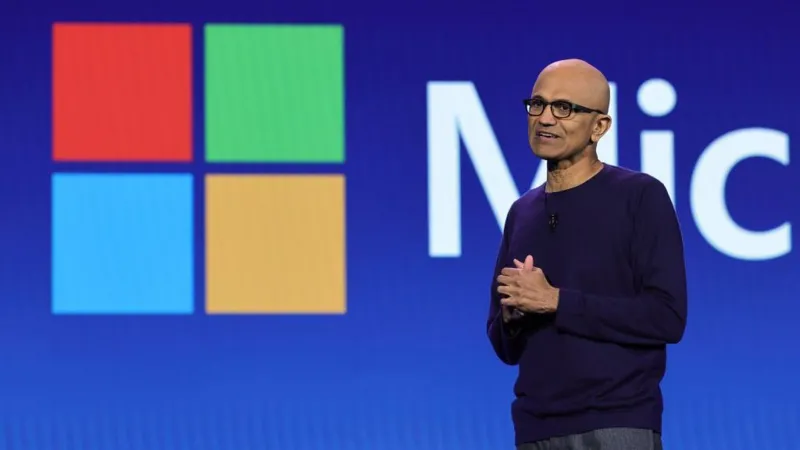
Microsoft Chief Executive Officer Satya Nadella said the development of AI had accelerated the technology’s adoption and delivered “real-world impact across every industry.”
The company said the voluntary redundancy offer would be available to eligible employees in teams across Canada, India, the United Kingdom and the United States as it adjusts its workforce to meet “changing needs”.
According to Microsoft, the initiative would provide “greater flexibility” while allowing employees to leave with financial assistance and career planning resources.
Microsoft currently employs more than 220,000 people worldwide, making the planned buyouts part of a broader effort to manage its workforce amid rising investment in AI.
The company’s strong earnings contrasted with the performance of Alphabet, Google’s parent company, which disappointed investors with its latest financial results.
Alphabet’s shares fell by 9.75 per cent after it reported a 25 per cent year-on-year decline in quarterly net profit and indicated that it would continue spending heavily on AI.