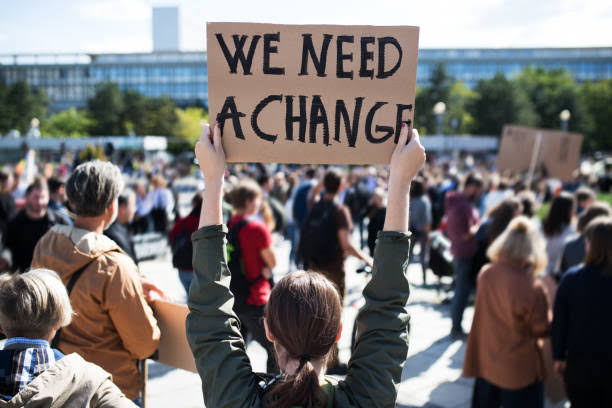
Student protests and demonstrations involving young people have intensified in several countries, with education funding, rising tuition costs, poor school facilities and government policies among the issues fuelling the unrest.
The demonstrations have led to clashes with security forces in some locations, with police deploying tear gas and water cannon to disperse protesters.
France, Albania, Belgium and Argentina are among the countries experiencing protests involving students in October 2026, although the grievances and scale of the demonstrations differ.
Here are four countries where student protests are making headlines.
France (2026)
France has witnessed weeks of student demonstrations over teacher shortages, overcrowded classrooms, inadequate school facilities and education funding.
The protests began in September, with secondary school and university students organising rallies and blockades across the country to demand more teachers, better school buildings and increased investment in public education.
Students have also criticised the university admissions system, which they say lacks transparency.
The demonstrations expanded into a wider wave of unrest on Saturday, October 17, when students, trade unionists and other protesters took to the streets over rising living costs and deteriorating public services.
According to the Associated Press, French Interior Minister Laurent Nuñez said 110 marches attracted approximately 550,000 people nationwide. Organisers estimated the turnout at 800,000.
Although most demonstrators protested peacefully, clashes, fires and looting were reported in several cities, including Paris and Lyon.
Police used tear gas and water cannon, while authorities reported about 400 arrests nationwide.
The unrest has intensified pressure on the French government to address concerns over education and public services.
Albania (2026)
Student-led protests in Albania have escalated into violent clashes with police, with demonstrators demanding the resignation of Prime Minister Edi Rama.
The protests entered their fifth consecutive day on Saturday, October 17, as anger over alleged government corruption, unemployment and poor educational standards intensified.
Thousands of young people gathered outside the Education Ministry in the capital, Tirana, during the demonstrations.
The movement has also attracted support from citizens angered by corruption allegations and a controversial luxury coastal development linked to Jared Kushner, the son-in-law of US President Donald Trump.
During the clashes, some demonstrators threw rocks and other objects at police, while officers responded with tear gas, water cannon and other crowd-control measures.
Reuters reported that police fired what appeared to be rubber bullets at demonstrators outside the Education Ministry.
Rubber pellets reportedly struck several protesters and two Reuters journalists.
Police chief Skender Hita said seven officers had been suspended pending disciplinary investigations over allegations that they exceeded their authority and failed to respect the principle of proportionality.
Authorities have reported arrests and injuries among both protesters and police officers, although figures differed between reports published on Saturday.
Despite calls for his resignation, Rama has refused to step down.
He has also reiterated his government’s commitment to taking Albania into the European Union by 2030.
Belgium (2026)
Belgium has also experienced student demonstrations over rising education costs and proposed reforms that protesters fear could make higher education less accessible.
On Saturday, October 17, several hundred predominantly young people demonstrated in central Brussels, with some clashes breaking out between protesters and police.
Belgian student groups said they were opposing increased education costs and reforms they believe could restrict access to higher education.
According to Reuters, some demonstrators wore masks and chanted anti-fascist slogans.
Police deployed tear gas and water cannon after the unrest escalated, while a Reuters witness reported that some protesters overturned a car.
Belgian Interior Minister Bernard Quintin condemned the violence and said authorities would take necessary measures to restore order.
Demonstrations also took place in Liège, where students had earlier protested over the French-language education system, rising costs and difficulties accessing study materials.
The protests have coincided with demonstrations in neighbouring France, where students have been demanding improved educational conditions and increased public investment.
Although the unrest in Belgium has been linked partly to developments in France, the Belgian protests also reflect domestic concerns about education costs and access to universities.
Argentina (2026)
Students and university workers in Argentina have taken to the streets to protest against President Javier Milei’s spending cuts and their impact on public universities.
On Thursday, October 15, thousands of students, lecturers and university workers demonstrated in Buenos Aires and other cities, demanding that the government provide funding owed to public universities.
The protesters called for the implementation of a university financing law approved in 2025, which provides for adjustments to university budgets and the recovery of salaries affected by inflation.
The dispute has intensified as universities struggle with funding shortages and academic staff complain that their salaries have lost purchasing power.
At the University of Buenos Aires, students held an assembly and announced plans to occupy a university building as part of efforts to draw attention to the funding crisis.
The demonstrations also drew support from trade unions and other groups opposed to the government’s austerity policies.
According to Al Jazeera, police used tear gas and water cannon during clashes with demonstrators in Buenos Aires.
The protests have highlighted growing tensions between Milei’s government and the country’s public university community over the future of publicly funded higher education.
Growing Wave of Student Protests
The demonstrations in France, Albania, Belgium and Argentina highlight growing dissatisfaction among students and young people over education funding, living conditions and government policies.
In France, protests over teacher shortages and poor school facilities have expanded into broader demonstrations against rising living costs and deteriorating public services.
In Albania, student-led protests have merged with wider public anger over alleged corruption, unemployment and political leadership.
Belgian students have focused on education costs and reforms they fear could restrict access to higher education, while students and university workers in Argentina have challenged government spending cuts affecting public universities.
Despite these common concerns, the demonstrations are not part of a single coordinated international movement.
Each country has its own political and economic circumstances, and the protesters’ demands differ.
Nevertheless, the unrest illustrates the growing willingness of students and young people to mobilise against policies they believe threaten their education and future prospects.