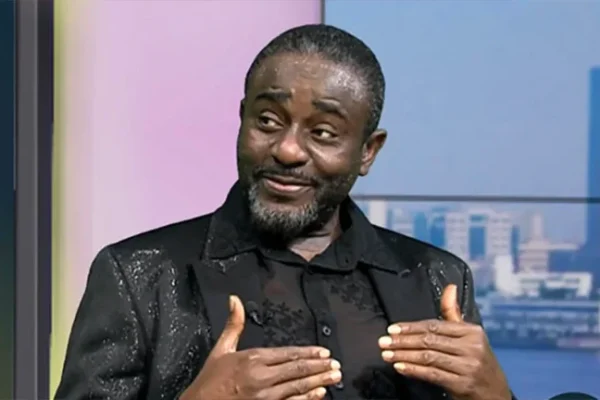
Nollywood actor, Tayo Faniran, has criticised what he described as favouritism, gatekeeping and personal connections in the Nigerian film industry, saying the practices were denying talented actors and filmmakers opportunities to thrive.
Faniran, who spoke The Punch on Sunday, said his concerns were based on his experiences in the industry, stressing that filmmakers and actors should be assessed on the quality of their work rather than personal relationships.
He said, “I just want things to be fair, because a lot of people out there can judge without understanding how much it hurts. Your film can be really solid. But one person’s opinion, bias or sentiment can influence who they decide to give awards to. And, that can rob you of your growth or where you’re supposed to get to.”
The actor, who gained prominence after winning Big Brother Africa, said he had remained deliberate about developing his career and becoming the kind of actor he aspired to be.
Recalling his role in the 2023 film, Gangs of Lagos, Faniran said he expected the movie’s success to earn him an award nomination.
He said, “With the success of Gangs of Lagos, I was so sure that I was going to get nominated that year. I see the films that my colleagues get nominated for, and I know this job. As a consumer of movies, I know great films.”
However, he suggested that the controversies surrounding the movie may have affected its chances at the awards.
“I think because of some people suing Gangs of Lagos and the message in the film, we were not nominated for any award that year. We were completely snubbed,” he said.
Faniran also cited The Fire and the Moth, arguing that the production deserved recognition beyond his own performance.
“Let’s even say maybe they don’t want to give Tayo, what about the director? What about the photography, like the DOP? What about the sound?” he said.
Beyond award nominations, the actor alleged that some individuals wielded influence over the opportunities available to others in the industry.
He said, “I know people who are blocking my way or who are not making my journey easy or as smooth as it should have been.”
Faniran further alleged that some people who had risen to prominent positions in Nollywood did so through nepotism, favouritism and connections.
He added, “A lot of people, whether as a filmmaker or as an actor, are at the top because of nepotism, favouritism, squads and gangs.”
Comparing Nollywood with the Afrobeats industry, Faniran said emerging artistes could sometimes secure opportunities based on their potential, regardless of how long they had been in the industry.
“When an opportunity comes into the industry, they don’t look for individuals with potentials; they go to the gatekeepers,” he said.
He warned that such a system could limit the ability of younger talents to bring fresh ideas into Nollywood.
The actor said he had consequently decided to create opportunities for himself rather than continue waiting for others to give him a chance.
“I’m older now, so it’s time for me to start creating opportunities, to start building my own table, so that I can also help create new generation of stars through my platform,” he said.
Faniran disclosed that he produced his first film, Man Like Jimmy, in 2020 and later produced a four-episode series, Bodija, which he said had received an investment of more than N100m.
He said, “I invested over N100m to make the film. With the pains, sweat and tears of everyone that worked on the film, all that we need is just a fair hearing or a fair submission.”
Faniran clarified that his criticism was not targeted at any particular individual, but at what he described as a broader problem within Nollywood.
He called for a system in which actors and films would be judged on merit, rather than personal relationships or connections.