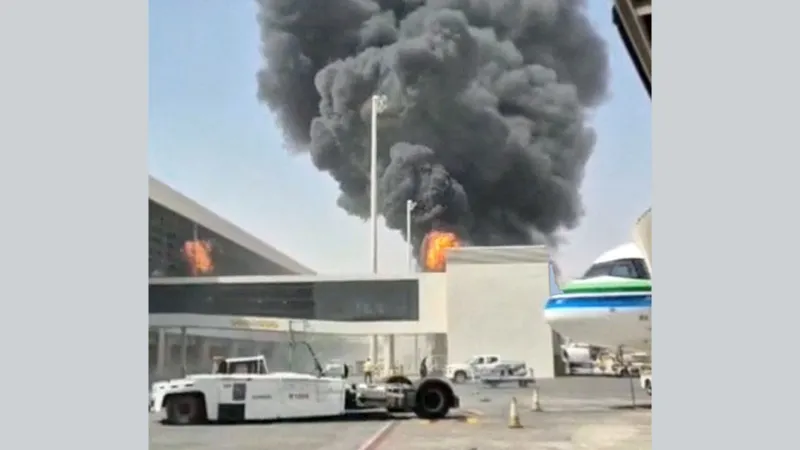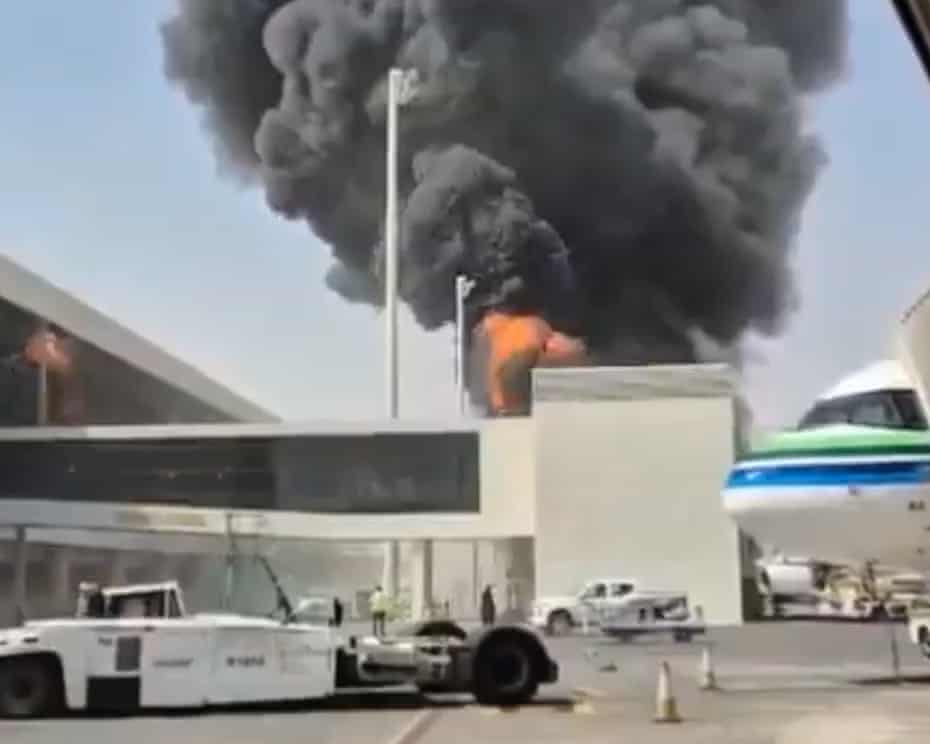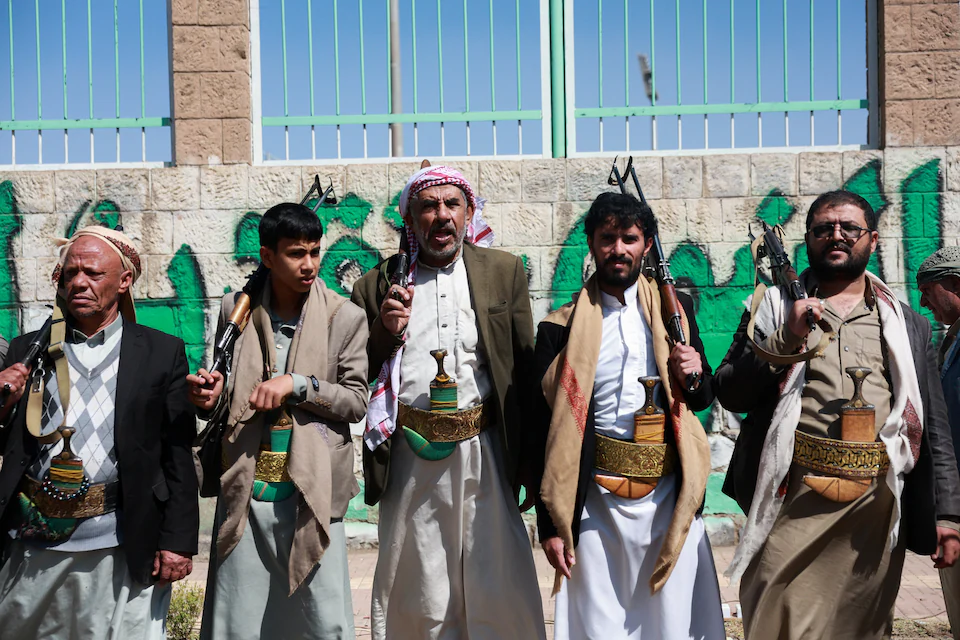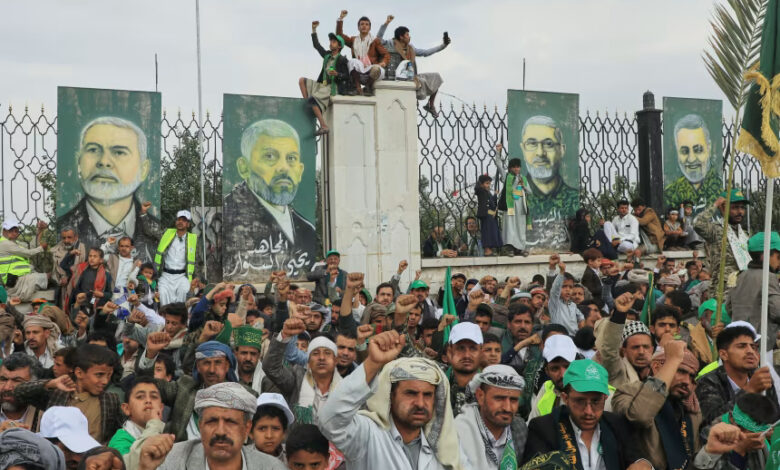
Iran-backed Houthi militants in Yemen launched a series of missile and drone attacks against Saudi Arabia on Tuesday, injuring at least 73 people and triggering fires at several energy facilities in the kingdom’s southern region.
The attacks, which targeted several locations in southwestern Saudi Arabia, have raised concerns over a fresh escalation in the wider Middle East conflict, with Saudi-led coalition forces warning that they would respond firmly.
Major General Turki Al-Maliki, spokesperson for the Saudi-led Coalition Forces, said at least 73 people, including women and children, were wounded in the attacks. He described the strikes as “dangerous” and “senseless.”
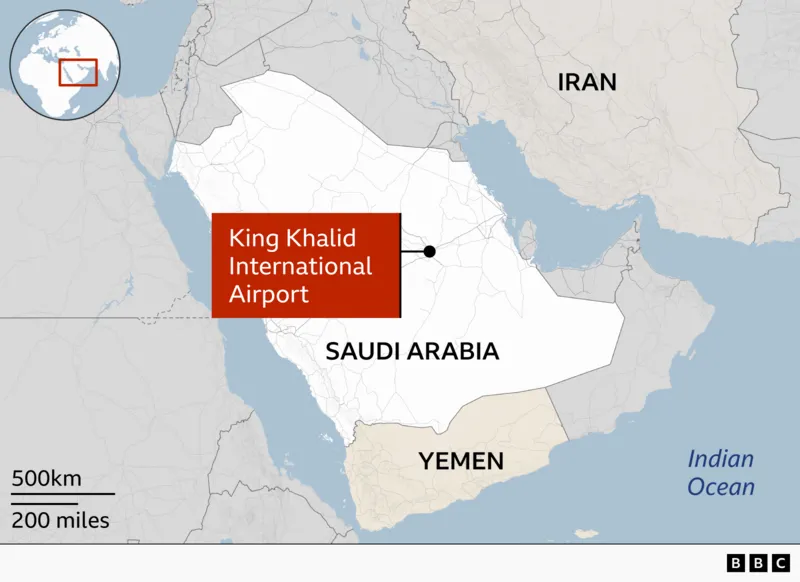
According to Al-Maliki, the Houthis targeted what he described as “civilian and economic sites” in Abha, Khamis Mushait, Jazan and Najran.
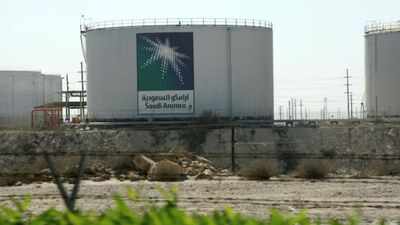
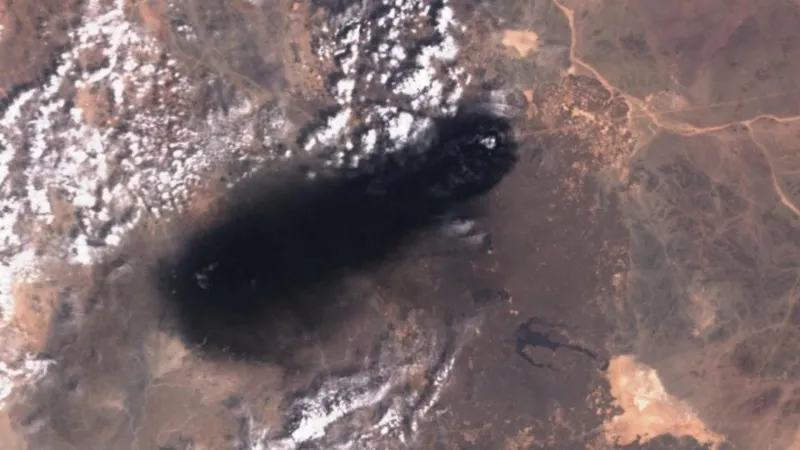
Saudi Arabia’s Energy Ministry said the attacks caused fires at several facilities in the southern part of the country, temporarily disrupting some operations.
The latest attacks also affected global oil markets, with Brent crude rising by about one per cent to nearly $99 per barrel following reports of the strikes.
The Houthis said their offensive was carried out in retaliation for more than 100 Saudi airstrikes on Yemen over the previous three days. The group claimed the bombardment had killed several people and said it had launched “dozens of ballistic missiles and drones.”
The Saudi-led coalition vowed to confront the attacks. Al-Maliki said the Joint Forces Command would “resolutely confront (the Houthis) hostile approach.”
Saudi Arabia’s Foreign Ministry also issued a warning, saying, “The Kingdom affirms its legitimate right to take all necessary measures to defend its sovereignty,” in a statement posted on X.
Several countries in the region condemned the Houthi attacks. Egypt called the development “a dangerous escalation”, while Jordan described the attacks as “a blatant violation of Saudi sovereignty.”
Qatar’s Foreign Ministry said the strikes demonstrated “unacceptable disregard for civilian lives and the security of the countries of the region,” while Kuwait also joined the condemnation.
The latest confrontation comes after Saudi Arabia was drawn into renewed attacks by the Houthis in July, effectively ending a fragile four-year ceasefire between the two sides.
The Houthis have also announced a blockade of Saudi shipping through the Red Sea, a strategically important route for the kingdom’s crude exports. The group has previously targeted Saudi oil facilities, including refineries operated by state energy giant Aramco along the Red Sea coast.
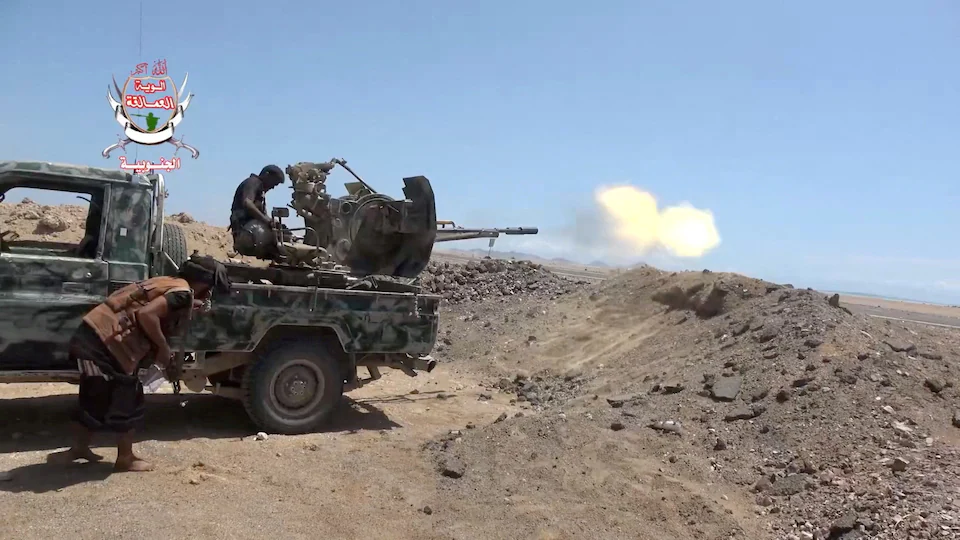
Beyond the missile and drone attacks, fighting between the Houthis and Saudi-backed forces inside Yemen has intensified in recent weeks. Government forces claimed on Monday that they had made advances on several fronts.
Houthi forces have also used ballistic missiles and drones against the government-controlled port of Mocha.
The long-running conflict between Saudi Arabia and the Houthis was brought to a truce in 2022 after seven years of war. However, tensions have persisted over Saudi efforts to isolate areas of northern Yemen controlled by the Houthis through travel and economic restrictions.
The restrictions have contributed to the continuing humanitarian crisis in Yemen.
A senior Houthi official, Nasr al-Din Amer, told CNN in July that Saudi measures were “sufficient to compel us to act more decisively than we have been doing. We do not need any other agendas.”
Amer, a member of the Houthi politburo, said on Telegram on Tuesday that the group’s response was much broader than reports circulating on social media.
He said the “ongoing, in-depth response far exceeds what is being circulated on social media and is much broader.”
The Houthi military also said it would “uphold the equation of siege with siege until the aggression stops and the siege is lifted.”
Analysts say the renewed fighting could have wider regional consequences. Ali Vaez of the International Crisis Group said the Houthis were “trying to gain more territory closer to Bab al-Mandab, the critical chokepoint that connects the Red Sea to the Indian Ocean.”
“That would benefit Iran as well, because then it can put pressure on not just the Strait of Hormuz as a critical choke point, but also Bab al-Mandeb,” Vaez said.
He warned that “the conflict that seems to be rekindled in Yemen might take a life of its own and continue even beyond the end of hostilities between Iran and the US.”
The latest escalation comes as Saudi forces continue to mobilise near areas of Yemen under Houthi control, raising fears that the renewed confrontation could develop into a broader regional conflict.