The Independent National Electoral Commission has raised concerns over the growing use of artificial intelligence to create and circulate false political content ahead of Nigeria’s 2027 general elections.
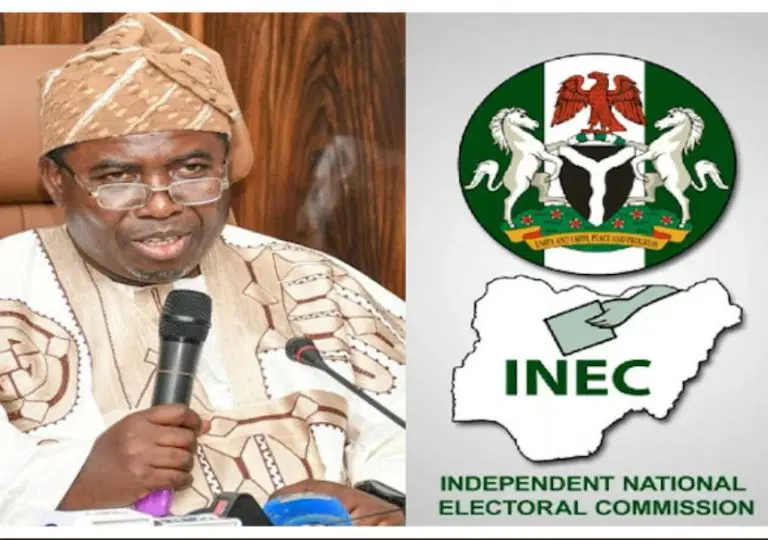
INEC Chairman, Prof. Joash Amupitan, warned that AI-generated audio, videos and images could mislead voters and weaken public confidence in the electoral process.
Amupitan spoke on Wednesday in Abuja in a keynote address delivered on his behalf by an INEC National Commissioner, Sani Adam, SAN, at the 13th Annual International Conference of the Association of Communication Scholars and Professionals of Nigeria.
The conference was themed, “Media, Technology and Elections in Africa: Navigating Digital Disruption and the New Dynamics of Electoral Communication.”
In the address, Amupitan said the commission’s responsibility extended beyond ensuring the integrity of ballots and election technology to ensuring that voters received accurate and understandable information about the electoral process.
He said, “The credibility of electoral management increasingly depends not only on the integrity of the ballot, BVAS and result sheets, but also on how information about electoral processes is understood and trusted by voters.”
The INEC chairman noted that the introduction of the Bimodal Voter Accreditation System and the INEC Result Viewing Portal was aimed at improving transparency by enabling citizens to access polling-unit results before their transmission to collation centres.
However, he acknowledged that the experience of the 2023 general election showed how technical shortcomings could undermine confidence in electoral technology.
He said electoral legitimacy could only be sustained when technological systems functioned properly, voters understood how they worked and authorities were transparent about any failures.
Amupitan disclosed that INEC was undertaking a comprehensive assessment of its technology infrastructure as part of preparations for the 2027 elections.
According to him, the exercise covers system redundancy, penetration testing and disaster recovery measures.
He also revealed that the commission was considering a mock presidential election to test its preparedness under conditions similar to the actual election.
The proposed exercise, he said, would assess voter accreditation, result transmission and the public viewing of results.
Amupitan expressed particular concern over generative AI, which he said had made it easier and cheaper to produce convincing but fabricated political content.
He warned that manipulated audio, videos and images could spread rapidly across social media before election officials or fact-checkers had the opportunity to verify them.
“The danger lies not only in outright fabrication but also in algorithmic microtargeting, which allows conflicting messages to reach narrow segments of the electorate without a shared factual foundation,” he said.
He explained that microtargeting could enable political actors to send different messages to specific groups of voters, potentially creating conflicting narratives without a common basis of verified facts.
The INEC chairman further disclosed that the commission had proposed significant funding for election technology and operations, including the acquisition of new voter accreditation devices to replace those lost or damaged during the previous election cycle.
He said the commission was awaiting the full release of the funds, although its Information and Communication Technology team had already begun discussions with manufacturers.
Amupitan said INEC had developed a five-point approach to tackling emerging challenges in electoral communication.
The strategy includes combining technology and communication planning, establishing mechanisms for responding rapidly to misinformation, informing the public about known system vulnerabilities and safeguards, strengthening collaboration with journalists, fact-checkers and technology platforms, and improving media literacy among citizens.
He said, “INEC can no longer afford to treat technology and communication as separate components of election management.”
The commission therefore called on media professionals, technology experts, academics, fact-checkers and other stakeholders to collaborate with it in building public understanding and confidence in the electoral process before the 2027 elections.