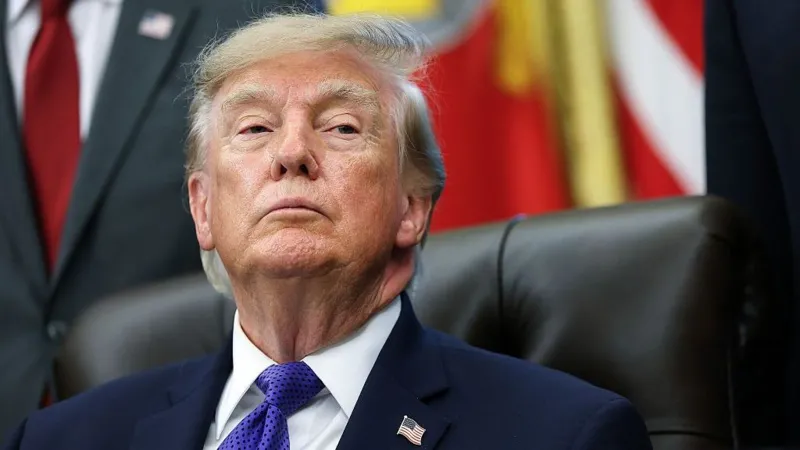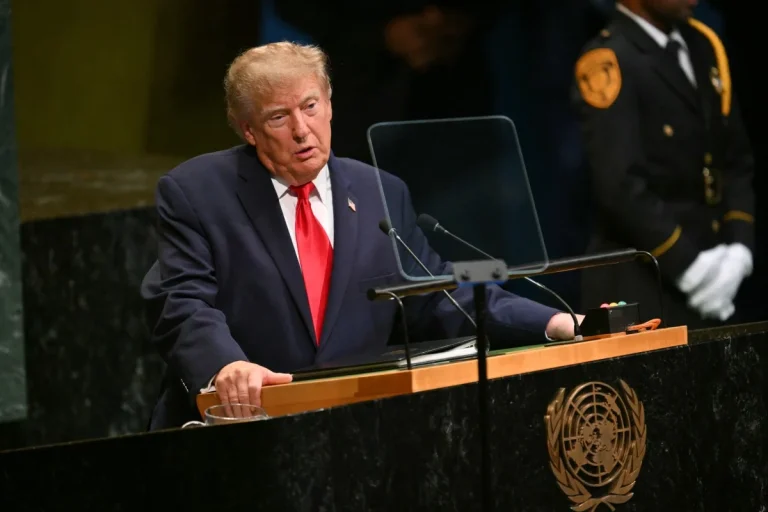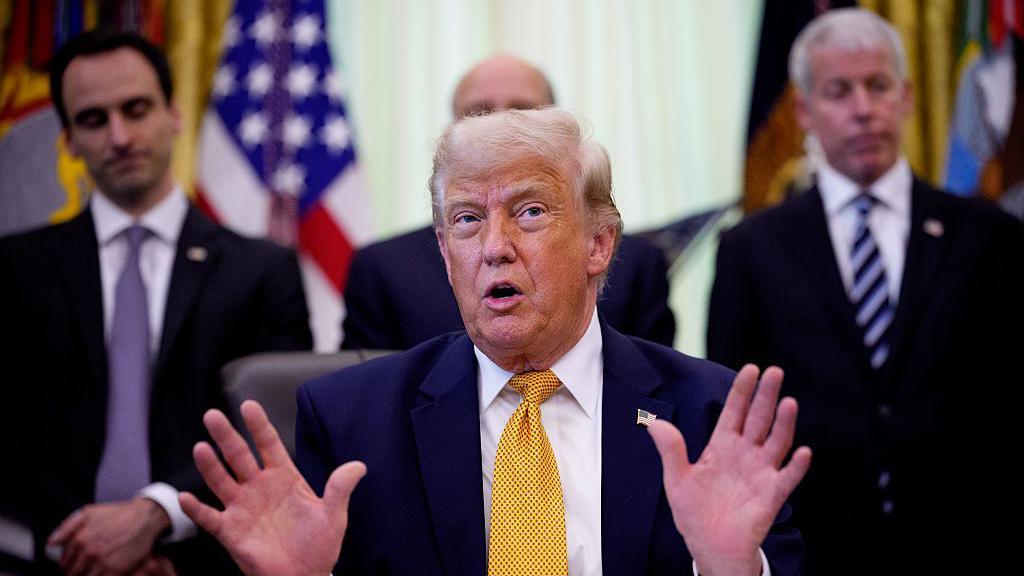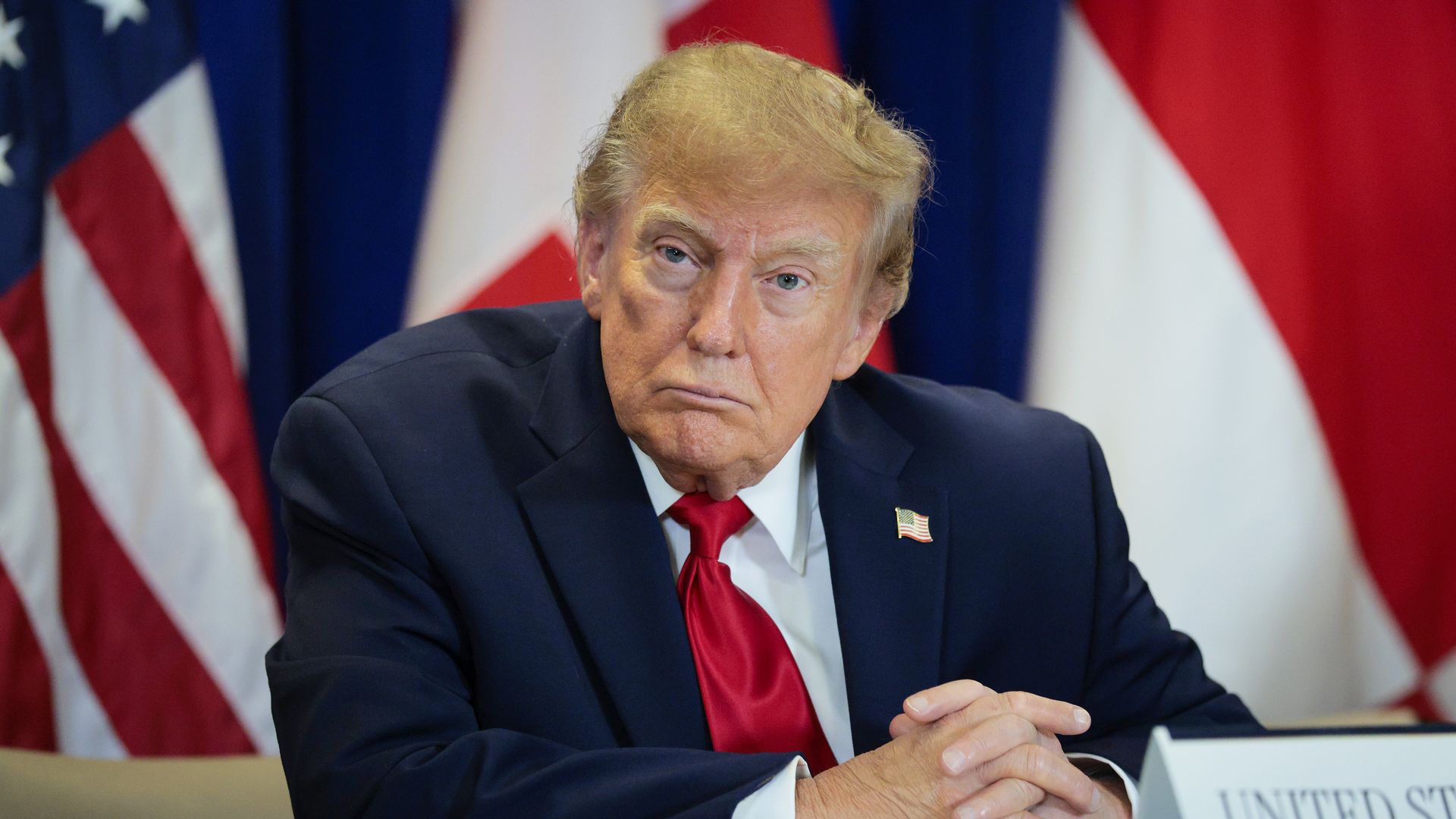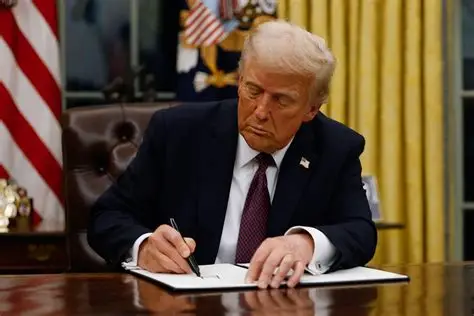
United States President, Donald Trump, has signed an executive order seeking to rename Lake Ontario as “Lake America,” escalating tensions with Canada amid an ongoing trade dispute between the two countries.
Trump signed the order on Thursday in the Oval Office, saying the proposed name change had been under consideration for some time.
The move came shortly after trade negotiations between the United States and Canada collapsed, with Washington imposing new 50% tariffs on about $20bn worth of Canadian goods.
Canada has said it will respond with “dollar for dollar” counter-tariffs next month.
Trump had repeatedly threatened to rename the lake, one of the five Great Lakes shared by the US and Canada. On Thursday, he said the change was “official, effective immediately” and that his administration had “filed all the necessary papers, documents” to make it happen.
Under the executive order, the US Department of the Interior has 30 days to update the name in the Geographic Names Information Service, the official US repository for domestic geographic names.
However, Canada has rejected the proposed renaming, insisting that the body of water remains Lake Ontario.
Canadian Prime Minister Mark Carney pointed to the lake’s long history, noting that the name Lake Ontario dates back more than 400 years and predates both Canadian Confederation and the US Declaration of Independence.
“We know that the United States is changing. Their trade relations, their foreign policy, their national monuments, their hydronyms,” he wrote.
“Canadian women and men also know that things must be called by their name, and this lake is called Lake Ontario – today and forever.”
Ontario Premier Doug Ford also dismissed Trump’s decision, writing, “It’s Lake Ontario to Canadians and the rest of the world. Now and forever.”
Nova Scotia Premier Tim Houston similarly criticised the move, saying, “We’re into some real foolishness now. It’s Lake Ontario, buddy.”
Canadian Industry Minister Melanie Joly said, “We’ll always call it Lake Ontario.”
Lake Ontario is the smallest of the five Great Lakes and borders the Canadian province of Ontario and the US state of New York.
Its name, like those of Lake Huron, Lake Michigan and Lake Erie, has indigenous origins.
Trump previously signed an order in 2025 seeking to rename the Gulf of Mexico as the Gulf of America.
Mexico rejected that move, arguing that one country could not unilaterally rename a shared international body of water.
The Gulf renaming also triggered a dispute involving Google after the technology company changed the name displayed on its maps.
Users in the US see “Gulf of America”, while those in Mexico see “Gulf of Mexico”. In other countries, the service displays “Gulf of Mexico (Gulf of America)”.
Trump’s latest move has also drawn criticism from US lawmakers.
Democratic Congresswoman Debbie Dingell of Michigan said she would introduce legislation seeking to overturn the decision, describing Trump’s order as “idiotic”.
“The Great Lakes are a shared treasure that generations of Americans and Canadians have worked together to protect,” she wrote.
New York Governor Kathy Hochul, whose state is the only US state bordering Lake Ontario, also said it would not adopt the proposed name.
Wisconsin Governor Tony Evers mocked the decision by joking that he had renamed Lake Michigan “Lake Wisconsin”.
Trump, meanwhile, suggested that the renaming campaign could extend beyond Lake Ontario.
“So if you think about it, we have a gulf and we have a lake,” he said.
“Now, all we need is an ocean. So maybe we’ll have to change the name of the Atlantic and or the Pacific. Maybe we’ll change them both.”
The proposed name change comes as Washington and Ottawa continue to navigate strained relations over trade, tariffs and other policy disagreements.