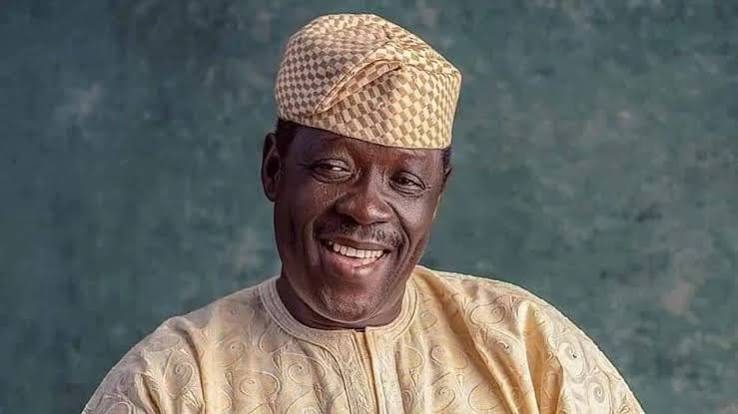
President Bola Tinubu has mourned veteran Nollywood actor, filmmaker and screenwriter Taiwo Hassan, popularly known as Ogogo, describing his death as a major loss to Nigeria’s creative industry.
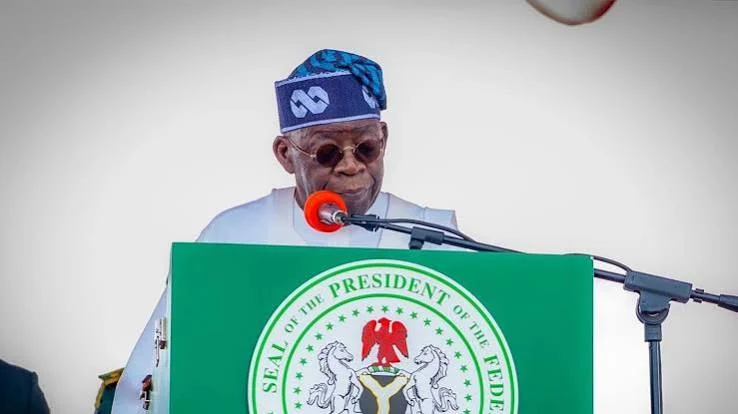
The President expressed his condolences to Ogogo’s family, friends, colleagues and numerous admirers in a statement issued on Monday by his Special Adviser on Information and Strategy, Bayo Onanuga.
Tinubu praised the late actor for his decades-long contribution to Yoruba-language theatre and the Nigerian film industry.
According to him, Ogogo’s distinctive acting style and commitment to his profession earned him a lasting place in the country’s cultural history.
“Alhaji Taiwo Hassan was a gifted artiste who used his talent to tell Nigerian stories, preserve our cultural heritage and entertain audiences at home and abroad,” the President said.
He added, “His passing is a great loss to his family, the Yoruba film industry, Nollywood and the entire Nigerian creative community.”
Tinubu also highlighted Ogogo’s influence on younger performers, noting that his mentorship and body of work would continue to inspire future generations of artistes.
He urged members of the creative community and Nigerians at large to preserve the cultural traditions and artistic values championed by the late actor.
“On behalf of the Federal Government, I extend my heartfelt condolences to his family, colleagues, friends and millions of admirers. I pray that Almighty Allah will grant him eternal rest and give his loved ones the strength to bear this irreparable loss,” Tinubu said.
Ogogo, who died on Sunday at the age of 66 after battling stage-four cancer, was buried in his hometown, Ilaro, Ogun State, on Monday in accordance with Islamic rites.
Before establishing himself as a prominent actor, Ogogo worked as a mechanic with the Ogun State Water Corporation for about 13 years.
He began his acting career in 1981 while still working as a mechanic and eventually resigned from his government job in 1994 to pursue acting full-time.
Over the course of his career, he became one of the recognised figures in Yoruba-language cinema, featuring in numerous productions and contributing to the development of the Nigerian creative industry.