Norway’s football federation is preparing to file a formal ethics complaint with FIFA over the controversial suspension of Folarin Balogun’s World Cup ban, warning that the decision threatens the integrity of the sport.
The president of the Norwegian Football Federation, Lise Klaveness, told The Times that she would seek her board’s approval before referring the matter to FIFA’s Ethics Committee, insisting the incident should never have occurred.
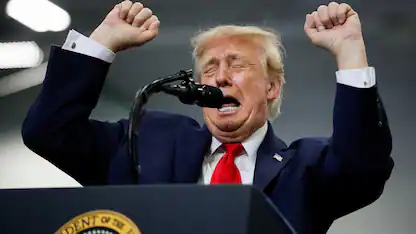
The NFF had earlier challenged FIFA over the organisation’s decision to award its inaugural Peace Prize to United States President Donald Trump, a move that drew widespread criticism.
“I will bring it to a board meeting and discuss with my board, and then we do it,” Klaveness told The Times in an interview published on Thursday.
“To me, it should be in the same sphere of ethical complaint.”
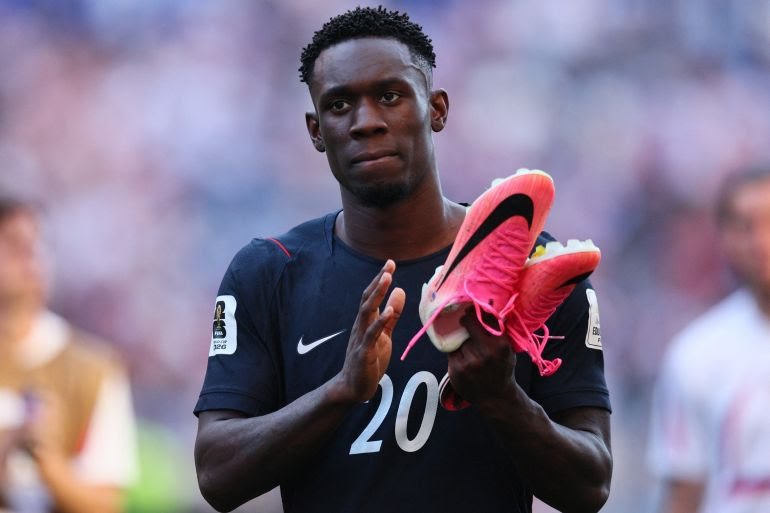
The controversy stemmed from Balogun’s dismissal in the United States’ Round of 32 victory over Bosnia and Herzegovina, which earned him an automatic suspension for the following match against Belgium.
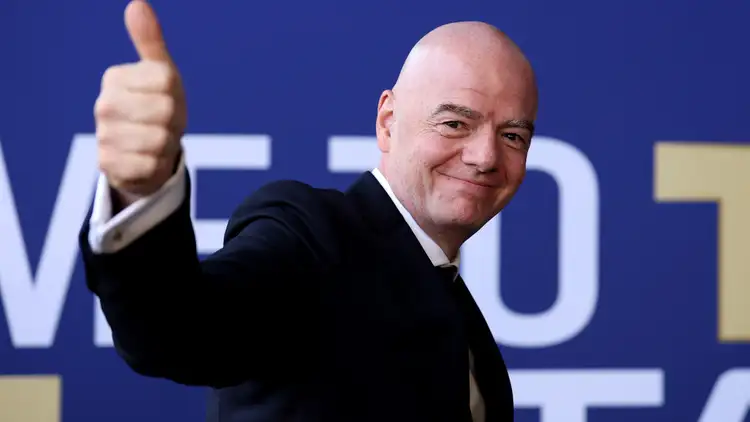
However, FIFA later lifted the suspension after Trump reportedly intervened by calling FIFA president Gianni Infantino, a decision that sparked criticism across the football community.
Belgium went on to defeat the tournament co-hosts 4-1.
“When you bend a rule like this, you’re on a slippery slope that will put the whole game at risk,” said Klaveness.
“It is a worry for the game when you compromise fundamental rules of the game.
“First of all, it should not have happened. It is very important now to have honest communication around it.
“We all know that this verdict was influenced from external forces and did not have the proper process.”
“We need our leader in FIFA to say that this was an error,” she added.
Klaveness, a former Norway international who has led the NFF since 2022, argued that allowing political leaders to influence football decisions sets a dangerous precedent.
“If you start to adapt in such a way towards state leaders and state politics, you will move your behaviour and the organisation’s behaviour, and also the red line of what states’ leaders should interfere with,” she said.
“And that happened.”
She also criticised the disciplinary process, saying The Times reported that FIFA Disciplinary Committee chairman Mohammad al-Kamali made the decision without consulting the committee’s other members.
“When you make controversial decisions, and when there has been an external, very powerful voice in your ear, it’s very important that you have more voices [making the decision],” she said.
“And if you don’t, it’s a mistake.”
Klaveness insisted the matter should not be ignored.
“To try to sweep this under the carpet now will not fly,” the 45-year-old lawyer said.
“Too many felt this … coaches, players, fans … that this was too close to the game.”
She also dismissed proposals from South America to expand the FIFA World Cup from 48 to 64 teams, arguing that the current format is sufficient.
Norway returned to the World Cup after a 28-year absence and reached the quarter-finals before losing to England.
“Smaller nations like ourselves, that haven’t been there for 20 years, showed the World Cup could be extended to 48 teams,” said Klaveness.
“It’s not in football’s interest, or even reasonable, to now start to talk about 64 teams – 48 teams was a big change.
“If you bring the discussion now to 64, and powerful people say it, you will create distrust.
“The World Cup should not interfere with the domestic leagues, or the confederations, more than it does today.”