The Nigeria Centre for Disease Control and Prevention has intensified surveillance measures for travellers arriving from countries currently experiencing Ebola outbreaks, directing health officials nationwide to closely monitor exposed individuals for 21 days.
According to updated guidelines issued to health facilities and disease surveillance officers, any traveller from affected countries who develops fever and other related symptoms within three weeks of arrival should be treated as a suspected Ebola case and promptly investigated.
The directive comes amid renewed Ebola outbreaks in parts of Africa, including the Democratic Republic of Congo and Uganda, prompting heightened vigilance from Nigerian health authorities.
The NCDC stated that individuals presenting with a sudden fever and at least three symptoms such as headache, fatigue, loss of appetite, muscle or joint pain, abdominal pain, difficulty swallowing, vomiting, breathing difficulties, diarrhoea or hiccups, and who have travelled to affected countries within 21 days, should be immediately classified as suspected cases.
The agency also flagged unexplained bleeding in recent travellers as a serious warning sign requiring urgent medical attention.
In the guideline, the NCDC said: “Any person with a sudden onset of fever and at least three of the following symptoms—headaches, lethargy, anorexia, aching muscles or joints, stomach pain, difficulty swallowing, vomiting, difficulty breathing, diarrhoea or hiccups—and travel history to countries reporting suspected or confirmed Ebola cases within the last 21 days should be treated as a suspected case.”
It further warned that individuals who had contact with confirmed or probable Ebola cases and later develop fever, even without additional symptoms, must be thoroughly investigated.
The agency explained that the 21-day monitoring period corresponds with the virus’s incubation period, during which infected persons may begin to show symptoms.
Beyond international travel, the NCDC also expanded surveillance to include possible exposure to wildlife or bushmeat, noting that such contact remains a known route of transmission.
It added: “Any sudden or unexplained death should be considered a priority event for investigation.”
Health experts say community-based reporting remains critical for early outbreak detection and prevention of wider transmission.
The agency further noted that laboratory confirmation is required to establish a definitive diagnosis, stating that Ebola can only be confirmed through RT-PCR testing or detection of Ebola-specific antibodies.
It defined a probable case as a suspected infection with a known epidemiological link to a confirmed case where laboratory confirmation is not available.
The renewed alert reflects lessons from past outbreaks in Africa, where delays in identifying exposed individuals contributed to wider spread.
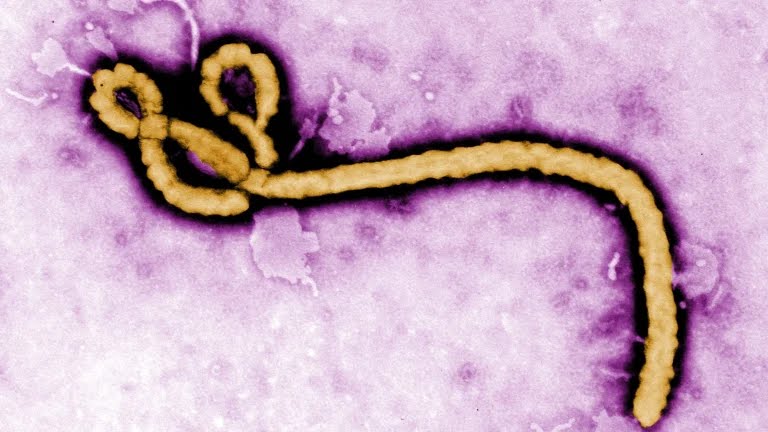
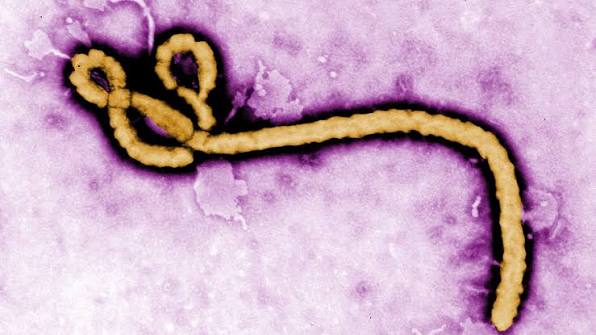
Ebola Virus Disease is a highly fatal illness transmitted through direct contact with infected bodily fluids, tissues, or contaminated materials. Symptoms often begin with fever, weakness, and muscle pain before progressing to vomiting, diarrhoea, and in severe cases, bleeding.
Nigeria last experienced Ebola in 2014, when the virus entered Lagos through an infected traveller from Liberia.
The outbreak resulted in 20 confirmed and probable cases and eight deaths before being successfully contained.
The NCDC said early detection, rapid isolation, and strict infection control measures remain essential to preventing any future outbreak in the country.