More than 1,100 suspected Ebola cases are currently under investigation in the Democratic Republic of Congo and neighbouring Uganda, according to the Director-General of the Africa Centres for Disease Control and Prevention Jean Kaseya.
In an opinion article published on Sunday, Kaseya disclosed that as of Saturday, health authorities had confirmed 263 Ebola infections across the two countries, while 43 deaths had been officially linked to the outbreak.
He noted that over 1,100 additional suspected cases were still undergoing investigation, raising concerns about the potential scale of the disease’s spread.
“We must move at the speed of the epidemic,” Kaseya said, stressing the need for a rapid and coordinated response while expressing concern over Africa’s continued reliance on external funding for public health emergencies.
The outbreak was officially declared on May 15 in Ituri Province in northeastern DR Congo. Since then, cases have been detected in three provinces of the country as well as in neighbouring Uganda.
Kaseya described the outbreak as a critical challenge for both Africa CDC and the African Union.
“This outbreak will not be the last,” he warned, urging African nations to strengthen their preparedness and response systems.
To tackle the growing health crisis, the health ministers of DR Congo, Uganda and South Sudan recently adopted a 319-million-dollar regional response plan.
“That momentum must now expand across the continent,” Kaseya added.
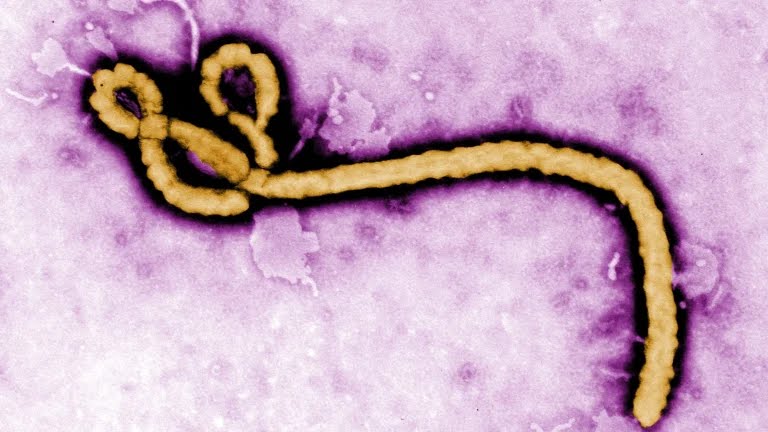
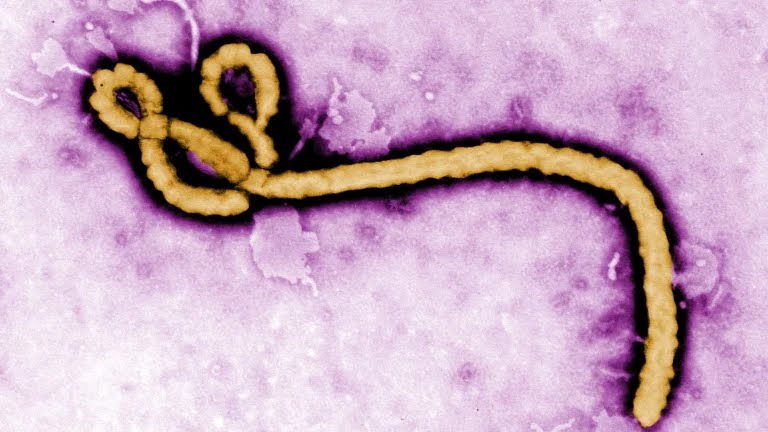
The Ebola outbreak involves the Bundibugyo strain of the virus, for which no approved vaccine or treatment currently exists.
Health officials say efforts to contain the disease are largely dependent on surveillance, public awareness, infection prevention measures, and rapid case identification.
The World Health Organisation (WHO) has activated an international health alert over the outbreak, although experts caution that the actual number of infections may be higher than current figures indicate.
WHO Director-General Tedros Adhanom Ghebreyesus, who is currently visiting affected communities in Ituri Province, reaffirmed the organisation’s support for those impacted by the outbreak.
“You are not alone in this. We are here, we are with you, and we will see this through together,” Tedros said during his visit.
International health authorities continue to monitor the situation closely amid concerns that the outbreak could spread further if containment efforts are not intensified.