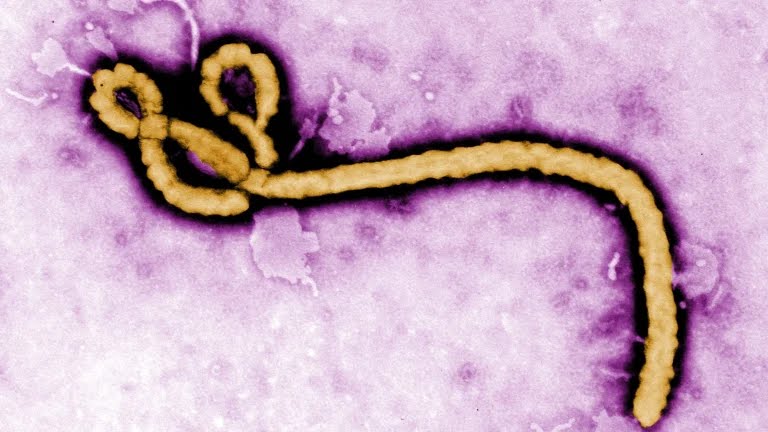
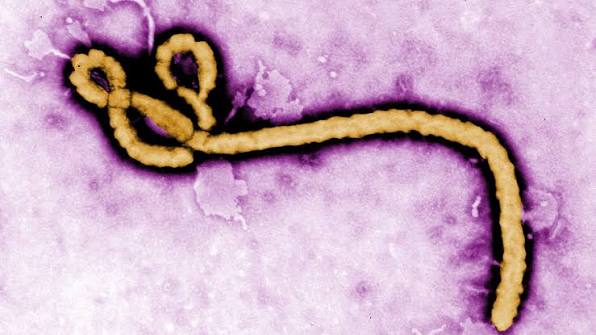
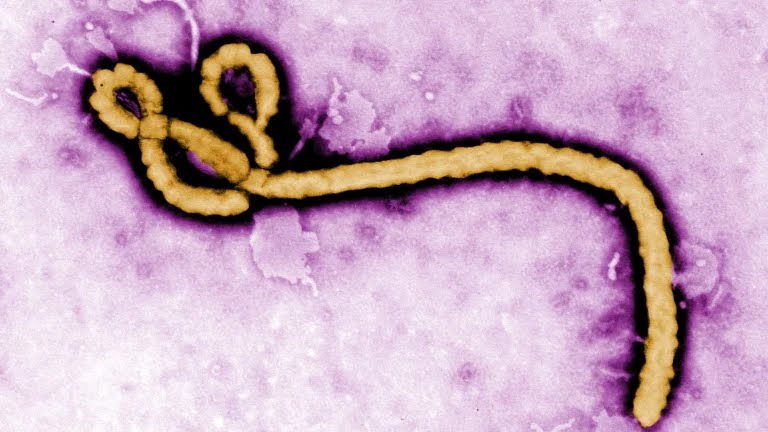
The Nigeria Centre for Disease Control and Prevention has intensified nationwide surveillance and emergency preparedness efforts following renewed outbreaks of Ebola Virus Disease in the Democratic Republic of the Congo and a confirmed imported case in neighbouring Uganda.
While Nigeria currently has no confirmed Ebola case, the agency warned that rising cross-border movement across the region has increased the country’s risk exposure.
This has led to strengthened monitoring at all points of entry and across the national health system.
In a public health advisory released on Saturday and signed by the NCDC Director-General, Dr. Jide Idris, the agency said it is collaborating closely with the Port Health Service of the Federal Ministry of Health and Social Welfare and other relevant partners to prevent any possible importation of the virus into Nigeria.
According to the statement, response activities are already ongoing in affected areas of the DRC and Uganda.
Authorities there have activated emergency interventions, including enhanced surveillance, laboratory testing, infection prevention and control measures, case management, contact tracing, and public awareness campaigns.
The NCDC described Ebola as a severe and highly infectious viral disease transmitted through direct contact with infected blood, bodily fluids, secretions, or contaminated objects, as well as infected animals.
It added that symptoms include fever, weakness, headache, muscle and throat pain, vomiting, diarrhoea, and in severe cases, unexplained bleeding. The incubation period ranges from two to 21 days.
To prevent a potential outbreak, the agency said it has scaled up event-based surveillance nationwide, improved laboratory preparedness, reinforced infection prevention and control in health facilities, and expanded risk communication and community engagement efforts.
“We continue to maintain surveillance systems for Ebola and other epidemic-prone diseases while closely monitoring regional and global developments,” the agency stated.
The NCDC urged Nigerians to remain calm and avoid misinformation, stressing that no Ebola case has been confirmed in the country at present.
It further advised the public to maintain proper hand hygiene, avoid contact with the bodily fluids of sick individuals, steer clear of dead animals or bushmeat from unknown sources, and promptly report any unusual symptoms to nearby health facilities.
Healthcare workers were also directed to stay vigilant by quickly identifying and isolating suspected cases, using appropriate personal protective equipment, observing strict hygiene practices, and reporting suspected infections through official channels.
The agency assured Nigerians that it will continue to provide timely updates as the situation develops.