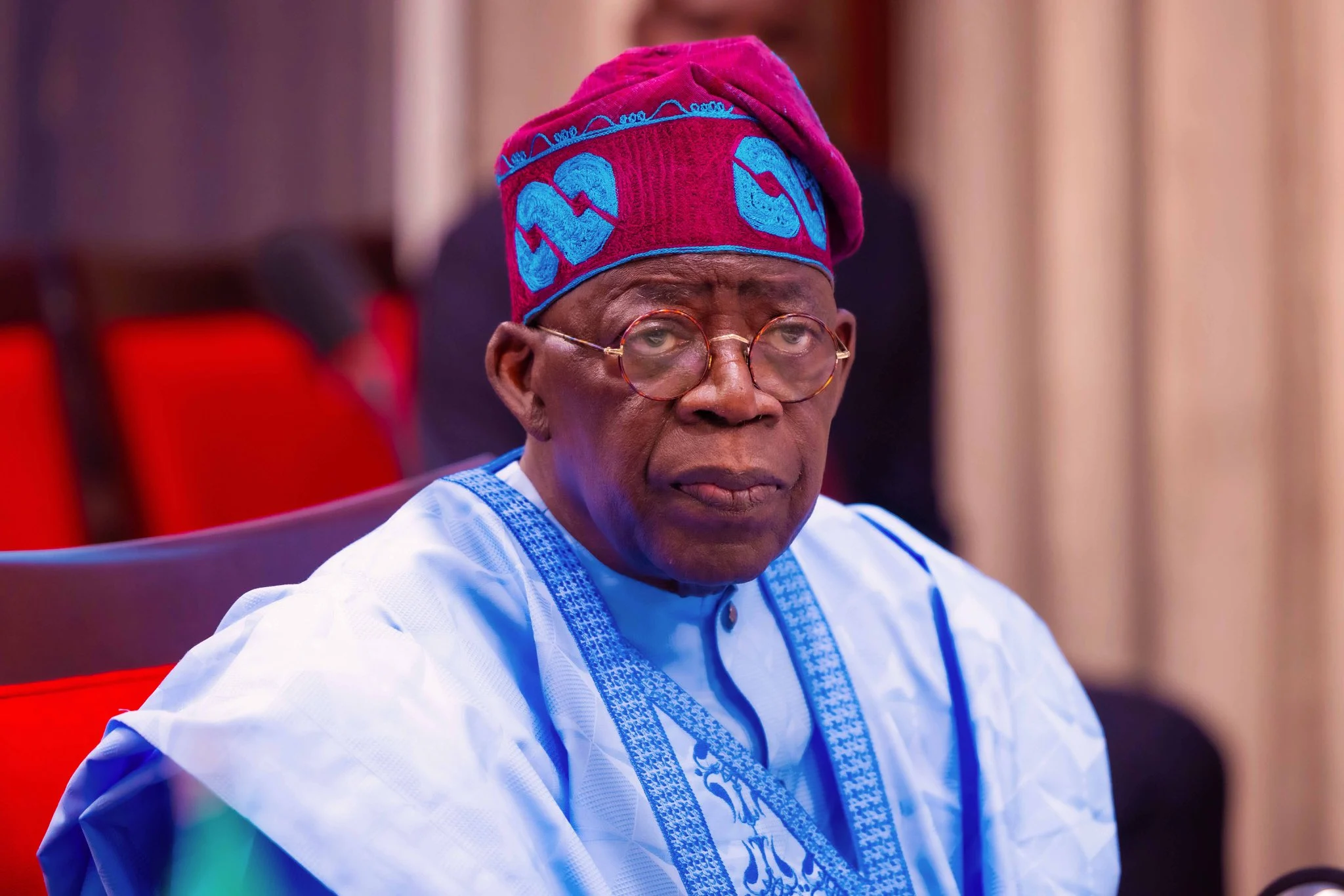
The Socio-Economic Rights and Accountability Project and the Nigerian Guild of Editors have called on President Bola Tinubu, state governors, and the Minister of the Federal Capital Territory, Nyesom Wike, to take urgent steps to protect journalists and tackle the growing wave of insecurity across Nigeria.
The groups appealed in a joint statement issued in Lagos on Sunday to commemorate the 2026 World Press Freedom Day.
The statement followed a conference and interactive session held on Saturday in Ikeja, Lagos, where media professionals, civil society organisations, and other stakeholders discussed the role of the media in promoting rights, accountability, and access to justice amid worsening insecurity.
SERAP and the NGE said the safety of journalists and the protection of credible information remain essential to peace, security, and democratic governance.
“Protecting journalists and safeguarding information integrity are central drivers of peace, security, and democratic stability,” the groups said.
According to them, any meaningful response to Nigeria’s security crisis must include support for a free, independent, and diverse media, alongside humanitarian, institutional, and economic interventions.
They expressed concern over the continued killings, abductions, sexual violence, displacement of communities, and destruction of property in several parts of northern Nigeria.
“These patterns reflect systemic failures to prevent foreseeable harm, protect communities, investigate violations, prosecute perpetrators and their sponsors, and ensure access to justice and effective remedies for victims,” the statement said.
The organisations noted that such acts amount to serious violations of Nigeria’s obligations under the 1999 Constitution, the African Charter on Human and Peoples’ Rights, and the International Covenant on Civil and Political Rights.
They said the humanitarian impact has been devastating, with many communities destroyed and livelihoods wiped out.
“The persistence of impunity continues to erode public trust and weaken democratic governance,” the groups added.
SERAP and the NGE stressed that governments at all levels have both constitutional and international responsibilities to guarantee the safety of journalists and protect citizens from violence.
They urged the Tinubu administration, governors, and the FCT minister to “exercise due diligence to prevent, investigate, and remedy human rights violations, including by ensuring justice for victims and accountability for perpetrators and their sponsors.”
Referencing the UNESCO theme for the 2026 World Press Freedom Day, Shaping a Future of Peace, the groups said a free press remains vital to peacebuilding and sustainable development.
“Information violence often precedes physical violence,” they said, warning that attacks on journalists and restrictions on press freedom could deepen insecurity and weaken democratic institutions.
The groups also reminded authorities that Section 22 of the Nigerian Constitution empowers the media to hold government accountable, while Section 39 guarantees freedom of expression.
They called for prompt and independent investigations into attacks on journalists and other human rights violations, prosecution of those responsible, and compensation for victims.
In addition, SERAP and the NGE urged security agencies to improve transparency in their operations and recommended the establishment of public reporting mechanisms to document attacks on journalists and insecurity-related incidents.
They also appealed for collaboration with international bodies, including the United Nations and the African Commission rapporteurs, to investigate alleged abuses.
The groups further called on the National Assembly to use its oversight powers by convening a public hearing on insecurity and attacks against journalists.
Human rights lawyer Femi Falana (SAN), who spoke at the event, said the worsening security situation in parts of the country demands urgent action.
“Entire communities are being destroyed in several parts of the north while perpetrators operate with little or no consequences. Impunity is not just a failure of justice—it is a driver of further violence,” Falana said.
He added, “Any government that cannot protect its people—or refuses to hold perpetrators accountable—undermines its own legitimacy.
Journalists are not the enemy of the state; they are essential partners in exposing abuse, preventing violence, and strengthening democracy.”