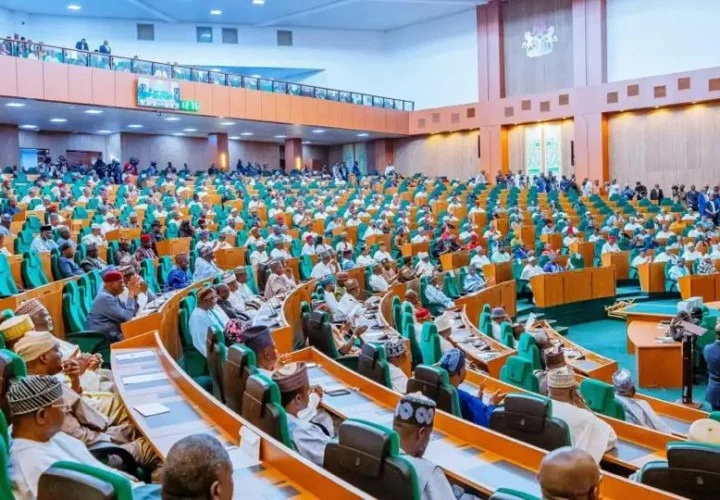
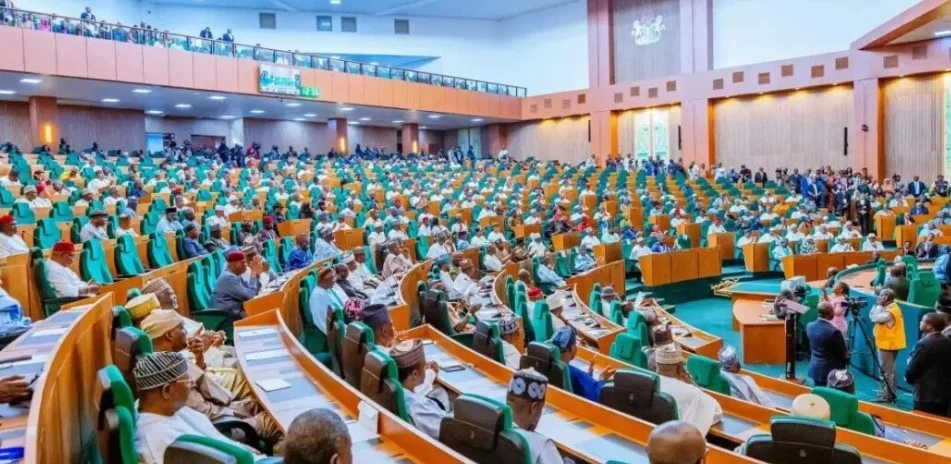
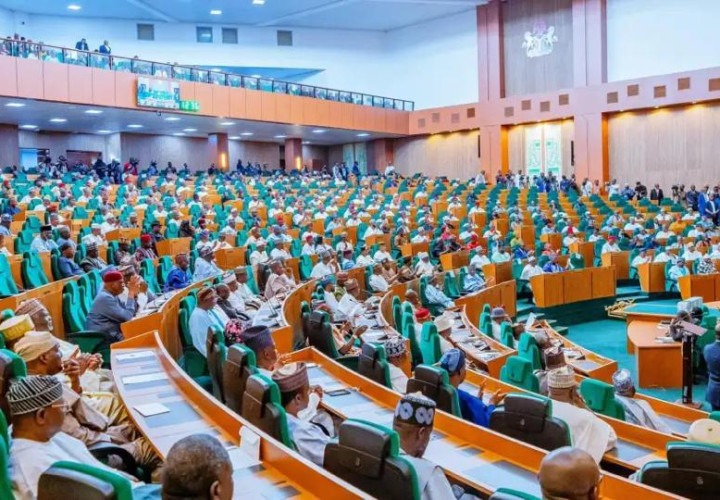
Nigeria’s House of Representatives has passed for second reading a bill seeking to establish a long-term national economic plan spanning 50 years, from 2026 to 2076.
The proposed legislation, debated during plenary on Wednesday and presided over by Deputy Speaker Benjamin Kalu, is designed to address persistent challenges in Nigeria’s development planning, particularly policy inconsistency and weak implementation.
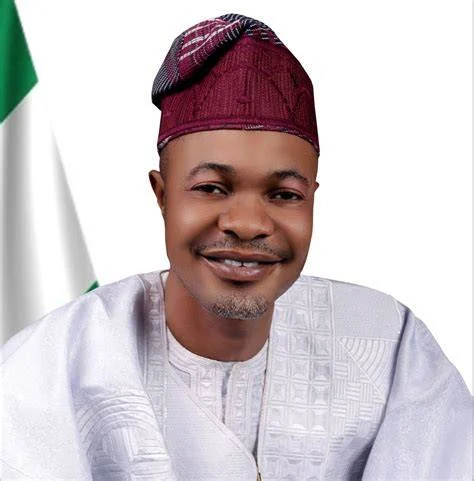
Leading the debate, the sponsor of the bill, Amobi Ogah, said the initiative aims to create a legally binding framework that will ensure continuity in economic policies across successive administrations.
According to him, “The 50-year national economic plan represents a bold step toward correcting the long-standing problem of short-term and inconsistent planning. It is intended to provide a stable direction for Nigeria’s development, regardless of changes in government.”
He noted that although Nigeria has historically developed ambitious economic blueprints—such as Vision 2010, Vision 20:2020, and the Economic Recovery and Growth Plan—many failed to achieve their objectives due to poor execution and lack of legal backing.
Ogah explained that the new bill seeks to institutionalise coordination, accountability, and continuity in national planning. “By giving legal force to long-term economic strategies, we can reduce policy reversals, improve resource utilisation, and strengthen institutional frameworks,” he said.
The lawmaker added that the proposal would enhance macroeconomic stability by allowing the government to clearly define fiscal and monetary priorities over an extended period.
“A predictable policy environment is critical for investor confidence, inflation control, and sustainable growth,” he stated.
He further argued that the absence of consistent policies has discouraged long-term investments in key sectors such as infrastructure, manufacturing, and energy.
“A binding framework sends a strong signal to investors that Nigeria is committed to stable and credible economic management,” Ogah said.
In his contribution, House Leader Julius Ihonvbere described the bill as a strategic shift from routine budgeting to disciplined long-term planning.
“This is about creating a framework that compels every administration to stay on course, regardless of political differences,” he said.
Similarly, Yusuf Gagdi, a lawmaker from Plateau State, recalled that Nigeria experienced significant economic growth during earlier development planning eras.
He noted, “We made progress when structured national plans were effectively implemented. The challenges began when we abandoned those frameworks, particularly in the agricultural sector.”
The bill also draws inspiration from international models, including long-term development strategies adopted by countries like South Africa, Rwanda, and Botswana, as well as the African Union’s Agenda 2063.
If passed into law, the legislation is expected to promote economic diversification, strengthen institutional coordination, and introduce mechanisms for monitoring, compliance, and evaluation of development goals.
The bill will proceed to a third reading in the House before being transmitted to the Senate for concurrence.