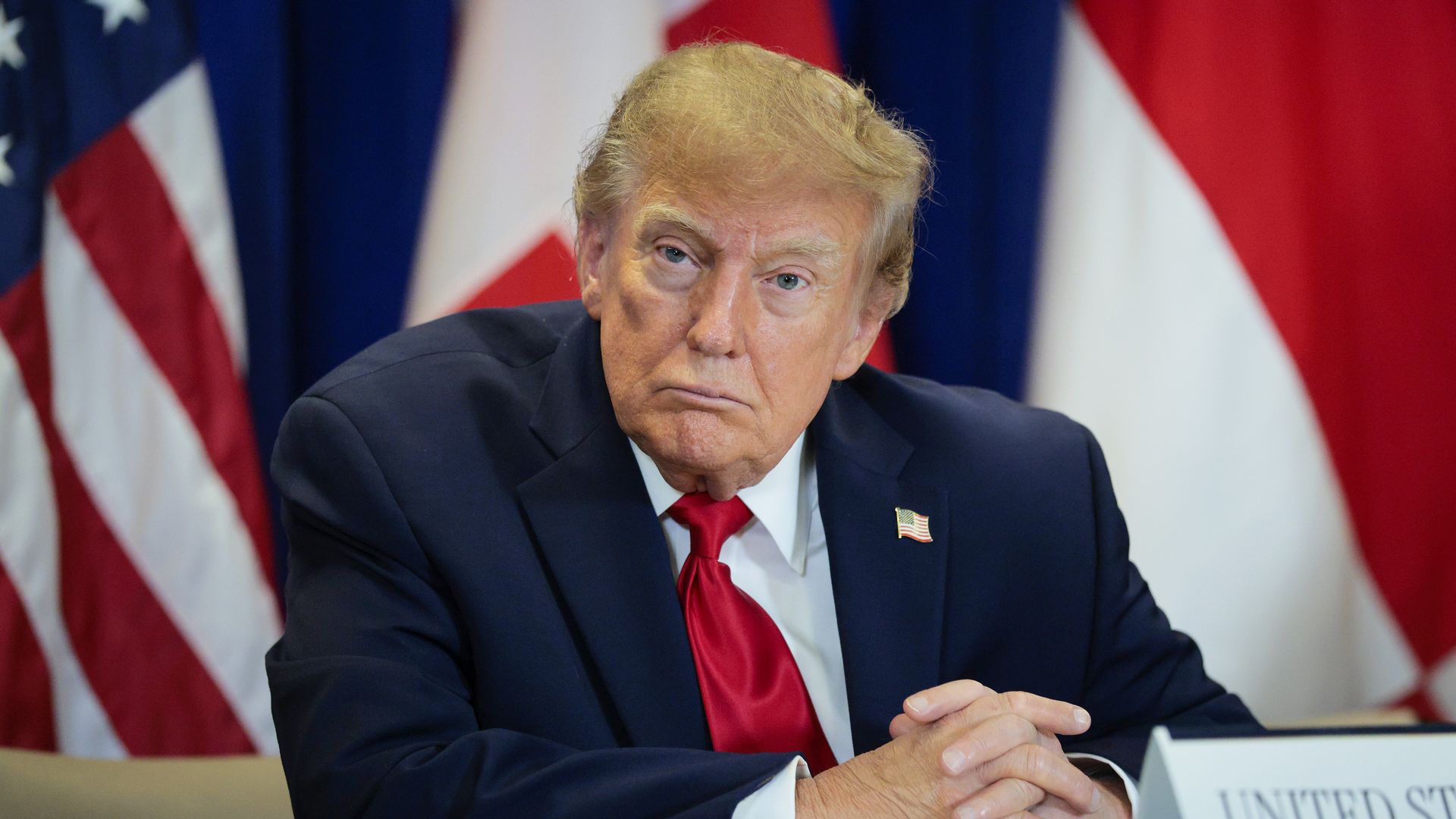
International diplomatic efforts aimed at easing tensions between the United States and Iran were thrown into uncertainty on Sunday after President Donald Trump cancelled a planned visit by his envoys to Pakistan for indirect talks.
Trump said there was no point in continuing discussions he viewed as unproductive, while also taking aim at Tehran’s approach.
However, he noted that Iran quickly submitted a revised proposal shortly after his decision.
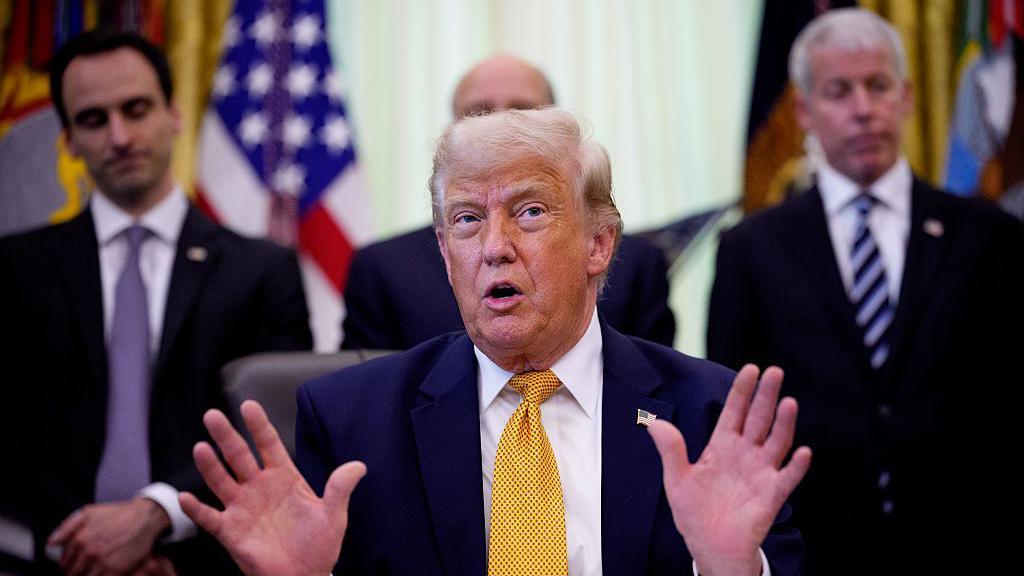
“They gave us a paper that should have been better and interestingly, immediately, when I canceled it, within 10 minutes, we got a new paper that was much better,” he told reporters, without providing further details.
The White House had earlier indicated that Trump’s son-in-law Jared Kushner and special envoy Steve Witkoff would travel to Pakistan on Saturday for discussions intended to move “toward a deal.”
But the president later confirmed to Fox News that he had called off the trip.
“We have all the cards. They can call us anytime they want, but you’re not going to be making any more 18-hour flights to sit around talking about nothing,” the president said he had told his team.
When asked whether cancelling the trip signalled a shift toward renewed conflict, Trump responded: “No, it doesn’t mean that. We haven’t thought about it yet.”
In a separate development, after a security incident involving a gunman at the White House Correspondents’ Association dinner in Washington, Trump said he did not believe it was linked to Iran but insisted it would not deter him “from winning the war.”
Meanwhile, Iranian Foreign Minister Abbas Araghchi concluded a visit to Islamabad after meeting Pakistan’s military leadership, Prime Minister Shehbaz Sharif, and Foreign Minister Ishaq Dar.
Araghchi described his discussions in Pakistan as “very fruitful,” but also expressed doubt over Washington’s intentions.
“Have yet to see if the US is truly serious about diplomacy,” he said.
Even before Trump’s decision to halt the envoy trip, expectations for direct progress remained low. Iranian state media reported that Araghchi had no plans to meet US officials, with Pakistan expected to serve only as a communication channel.
Prime Minister Shehbaz Sharif said he had also spoken with Iranian President Masoud Pezeshkian and reaffirmed Islamabad’s willingness to support “durable peace.”
Iranian state television reported that Pezeshkian told Sharif Iran would not be pressured by Washington’s “hostile actions.”
Tensions were further heightened by developments around the Strait of Hormuz, a crucial global energy route, which remains shut amid the conflict. Iran’s Revolutionary Guards said they had no intention of easing restrictions.
“Controlling the Strait of Hormuz and maintaining the shadow of its deterrent effects over America and the White House’s supporters in the region is the definitive strategy of Islamic Iran,” the Guards said on their Telegram channel.
Tehran also accused Washington of escalating the crisis, with military officials warning that continued US “blockading, banditry and piracy” would provoke a response.
On another front, the conflict expanded into Lebanon, where Israel launched strikes against Hezbollah positions following accusations of ceasefire violations.
Lebanese authorities reported multiple airstrikes across the south, including in Bint Jbeil, Tyre, and Nabatieh districts, with six people killed in the latest attacks, according to the health ministry.
The Israeli military said it had “eliminated” several Hezbollah operatives, claiming they were transporting weapons or engaged in armed activity.
Trump had previously announced a three-week extension of the ceasefire and expressed optimism after meeting Israeli and Lebanese representatives.
However, Hezbollah’s parliamentary bloc chief Mohammed Raad urged Lebanon to reconsider engagement in negotiations, warning that any agreement would lack national consensus.