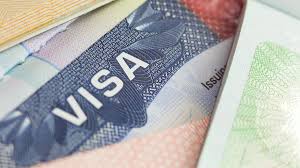
The United States government has begun implementing visa bans targeting individuals involved in violations of religious freedom, warning that those found culpable will be denied entry into the country.
This was disclosed by Mark Walker, who confirmed that the policy is already in effect and will be strictly enforced.
“In December, Secretary Rubio announced that the State Department would impose visa restrictions on individuals responsible for religious freedom violations,” Walker said.
“We have now started enforcing that policy and will continue to subject offenders to additional scrutiny.”
He added, “Anyone who engages in religious persecution is not welcome in the United States. Keeping such individuals out helps to make our country safer.”
The visa restriction policy, introduced by US Secretary of State Marco Rubio, targets individuals who are found to have directed, funded, supported, or carried out acts that infringe on religious rights. It also allows authorities to extend such restrictions to immediate family members where necessary.
The measure is based on provisions within the Immigration and Nationality Act, which grants the US government authority to deny entry to individuals whose presence may have adverse foreign policy consequences.
Nigeria has been identified among countries of concern under the policy. Rubio had earlier indicated that the restrictions could apply to individuals and officials in Nigeria implicated in religious freedom violations.
The move follows growing concern within the US over reports of religious violence in Nigeria.
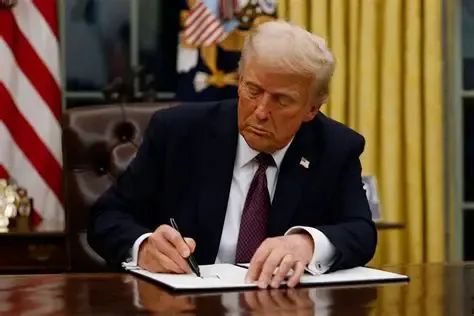
Lawmakers had previously raised the issue during a congressional briefing convened under former President Donald Trump, who described attacks on Christians in the country as severe and alarming.
In November 2025, the US House Subcommittee on Africa held a public hearing to review Nigeria’s designation as a Country of Particular Concern. The designation places the country under closer scrutiny and could potentially lead to sanctions against individuals found to be complicit in acts of religious persecution.