The Federal Government has approved the sum of N9.99bn for the procurement of antiretroviral medicines and the upgrade of cancer treatment facilities across Nigeria.
The approval was granted on Wednesday by the Federal Executive Council during its meeting at the State House, Abuja.
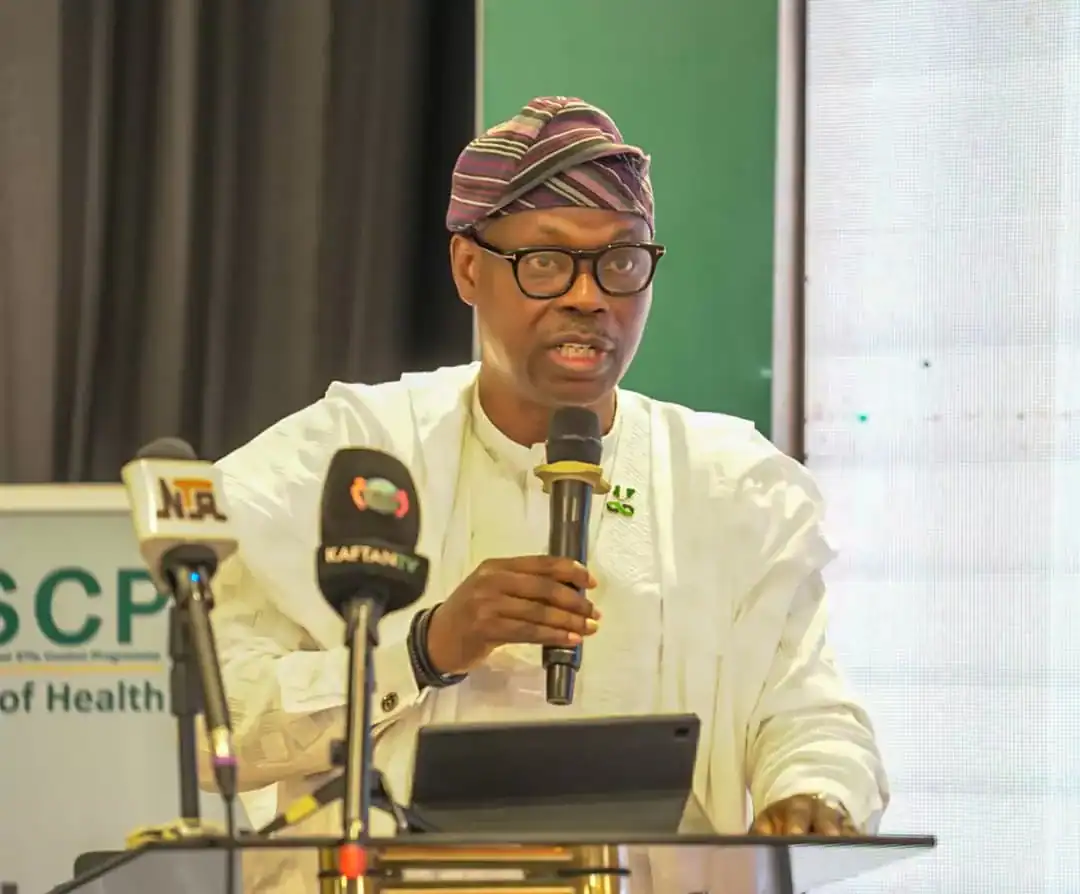
Addressing journalists after the meeting, the Minister of State for Health and Social Welfare, Iziaq Salako, said the intervention would address concerns over possible shortages of HIV medication in the country.
“Earlier this year, there were concerns that Nigeria might experience a shortage of antiretroviral drugs. With this approval, those concerns have been resolved,” Salako stated.
He explained that the contract for the procurement of the drugs under the Presidential Treatment Programme for People Living with HIV and AIDS was awarded to Fidson Healthcare.
According to the minister, the move aligns with President Bola Tinubu’s healthcare reform agenda, particularly efforts to strengthen local pharmaceutical production.
“The project has been awarded to Fidson Healthcare to consolidate efforts at unlocking the healthcare value chain. Over time, this will enhance local capacity for manufacturing antiretroviral drugs within the country,” he said.
Salako noted that Fidson partners with global pharmaceutical brand Hetero but operates within Nigeria’s open market system.
“One of the ways to encourage local production is through investment and government patronage.
By creating a reliable market and revenue stream, manufacturers are motivated to expand their production capacity. Fidson is already making significant efforts towards commencing local production of ARVs,” he added.
Nigeria currently provides free antiretroviral therapy to millions of people living with HIV under the presidential programme, a policy that has helped sustain access to life-saving treatment.
In a separate approval, the council also endorsed the replacement and upgrade of radiotherapy equipment in six cancer centres — one in each geopolitical zone — alongside the provision of training for medical personnel.
“This initiative is aimed at replacing and upgrading equipment and providing training in six cancer centres across the geopolitical zones so that radiotherapy services, which are essential for cancer treatment, can continue without interruption,” Salako explained.
Cancer care in Nigeria has faced persistent challenges due to inadequate radiotherapy machines, forcing many patients to seek expensive treatment abroad.
The minister expressed optimism that the new intervention would improve access to quality cancer treatment within the country.
On the recent Lassa fever outbreak, Salako said the Nigeria Centre for Disease Control is actively supporting affected states with materials and personnel.
“Lassa fever is seasonal in Nigeria, and we are responding appropriately. The country is also investing in vaccine development, which we hope will be available soon,” he said.
He urged healthcare workers to remain vigilant and strictly adhere to infection prevention protocols.
“During this season, health workers must maintain a high index of suspicion and ensure they follow all protective guidelines, including the use of appropriate protective gear,” the minister advised.
Salako also expressed sympathy to health workers who lost their lives while managing cases.
“We deeply sympathise with our health workers who died in the line of duty. While there are inherent risks in such professions, we will continue to advocate strict adherence to safety measures to minimise exposure,” he said.
Lassa fever, which is endemic in Nigeria, typically surges during the dry season between November and May.
The disease is transmitted through contact with food or items contaminated by rodent urine or faeces and can also spread in healthcare settings where infection control measures are inadequate.