Nigeriansoldiers released by Burkina Faso have safely arrived at an Air Force base in Accra, Ghana, the country’s Minister of Foreign Affairs, Yusuf Tuggar, confirmed.
In a post on X on Friday evening, Tuggar announced the safe arrival of the troops, writing: “I can confirm that the pilots and crew of NAF C-130 (913) have safely arrived at the Air Force Base in Accra.
The successful outcome reflects Nigeria’s commitment to diplomacy, regional cooperation, and the leadership of @NGRPresident Bola Ahmed Tinubu, GCFR @officialABAT, in resolving sensitive matters through dialogue.”
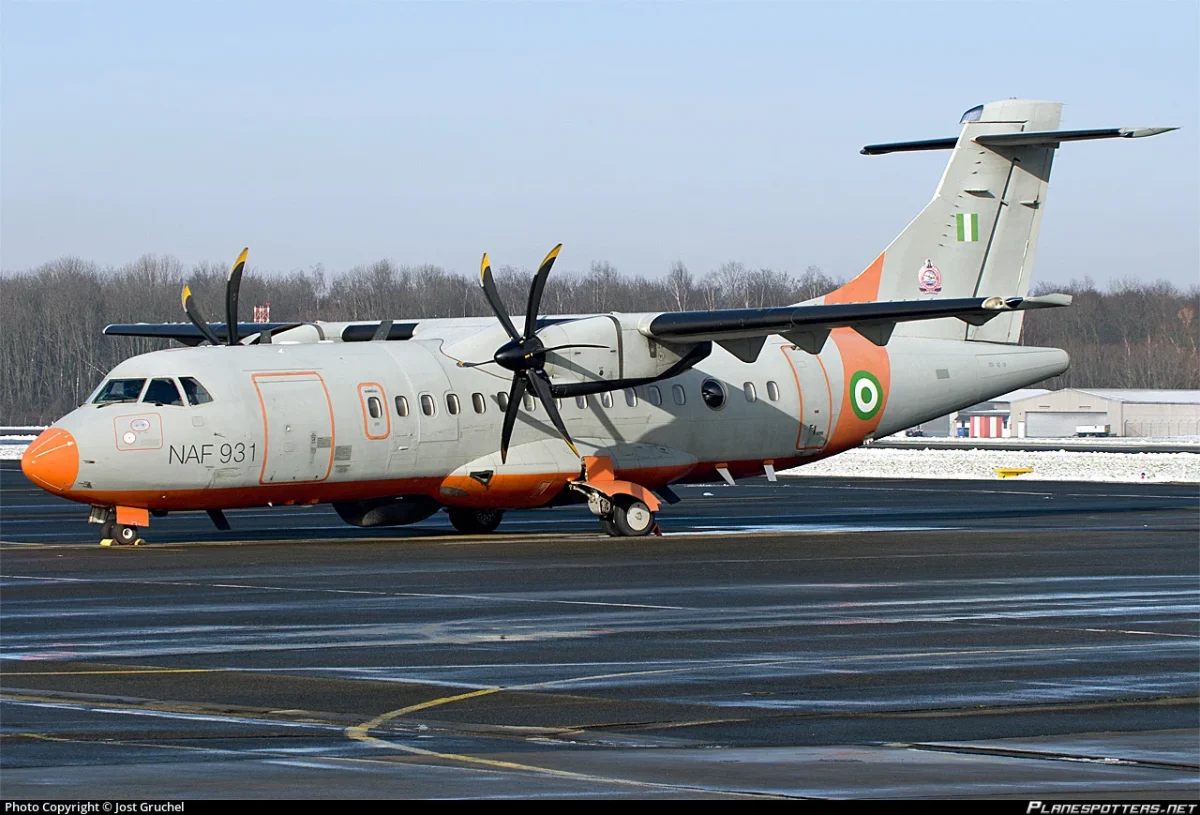
The soldiers had been detained by the Burkina Faso junta after their aircraft made a forced landing in the Sahelian nation.
They were released on Wednesday, December 17, following a delegation sent by President Bola Tinubu, led by Tuggar, to meet with Burkina Faso’s junta leader, Ibrahim Traoré.
According to a statement from Tuggar’s spokesperson, Alkasim Abdulkadir, “both sides amicably resolved the issue concerning the Nigerian Air Force pilots and crew.”
The soldiers had been held for nearly two weeks after the Confederation of Sahel States described the landing as an “unfriendly act carried out in defiance of international law.”
However, the Nigerian Air Force clarified that the crew had observed a technical concern, necessitating a precautionary landing in Bobo-Dioulasso, the nearest airfield in Burkina Faso. The NAF affirmed that the landing “was in accordance with standard safety procedures and international aviation protocols.”
Wednesday’s talks in Ouagadougou focused on enhancing bilateral relations. Abdulkadir noted, “Tuggar delivered a message of solidarity and fraternity from Tinubu to Traoré, as both sides considered avenues for deepening bilateral relations and strengthening integration within the regional bloc.”
He added that discussions revolved around “advancing political, security, and economic cooperation, with particular emphasis on coordinated responses to regional security challenges and collective action through existing sub-regional frameworks.”