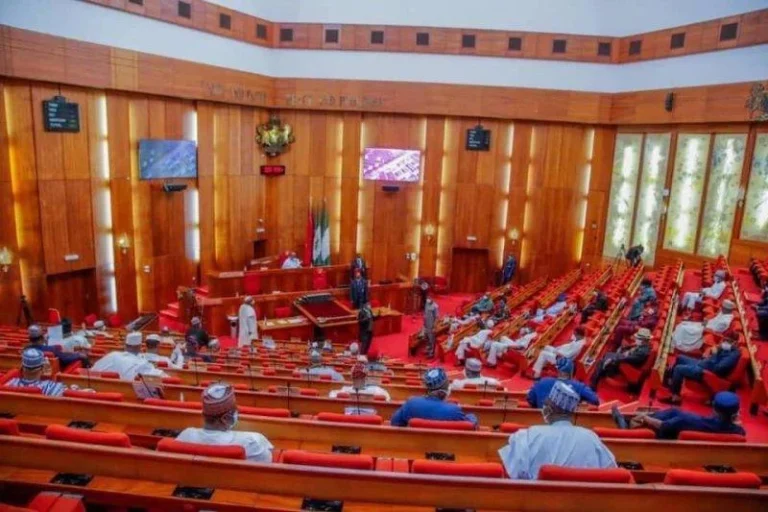
A tense atmosphere dominated Wednesday’s plenary as senators engaged in fiery exchanges over the worsening security situation across the country, with several lawmakers warning that the nation is “under attack” and rapidly losing citizens’ confidence.
The uproar unfolded only hours after the Senate had passed a motion commending President Bola Tinubu and security agencies for the prompt rescue of abducted victims in Kwara and Niger states.
The motion, moved by Senator Asiru Yisa (Kwara South), also urged the Federal Government to establish a Joint Task Force for the Kwara–Kogi axis, described by security operatives as a notorious escape corridor for bandits.
Presenting his motion, Senator Yisa said he was “deeply troubled” by the attack on Christ Apostolic Church in Eruku, where gunmen killed two worshippers and abducted 38 others before they were freed.
He also drew attention to disturbing reports that soldiers were withdrawn from the Kebbi school hours before bandits launched their assault.
“This development is alarming. It raises questions that demand immediate answers,” Yisa warned.
His remarks opened the floodgates for a heated debate, as senators expressed fears that the growing wave of kidnappings, especially involving students, had reached a crisis point.
Deputy Senate President Barau Jibrin declared that the current insecurity shows Nigeria must broaden its response.
“We cannot continue like this. The time has come to seek support from international partners to help us tackle this crisis,” he said. “With the right structure and assistance, we can still win this battle.”
Senate Leader Opeyemi Bamidele described the recent attacks as a defining moment for Nigeria, cautioning that complacency could lead to disaster.
“Business as usual will only end in tragedy,” he said.
He criticised the Senate Committee on Security and Intelligence, saying its performance does not inspire confidence.
“If we expect Mr President to restructure the security architecture, we must also examine ourselves. Our oversight system needs urgent reform,” he added.’
Senator Enyinnaya Abaribe countered attempts to blame past administrations for present failings.
He insisted that recent lapses—including the withdrawal of troops in Kebbi—occurred under the current government.
“Who gave that order? Nobody knows. If I were the Commander-in-Chief, I would demand immediate answers,” he said.
Senate President Godswill Akpabio expressed worry that internal sabotage and compromised intelligence were undermining security operations.
“It is troubling that despite warnings issued to schools in Kebbi, bandits still struck unhindered,” he said.
“This is not about Muslims or Christians. This is a coordinated assault on our democracy and our collective peace.”
Tensions rose further when Senator Seriake Dickson accused the majority caucus of downplaying the crisis, claiming that Nigeria was “losing prestige and integrity” due to constant attacks.
His remarks triggered loud protests from APC senators, forcing the presiding officer to switch off his microphone.
Senator Adams Oshiomhole defended President Tinubu, saying the administration was operating under immense pressure. He demanded a probe into the troop withdrawal in Kebbi.
“Whoever ordered that withdrawal should be investigated and tried for aiding terrorism,” he declared.
Some lawmakers revived calls for the death penalty for kidnappers, arguing that only stricter punishments would deter the growing menace.
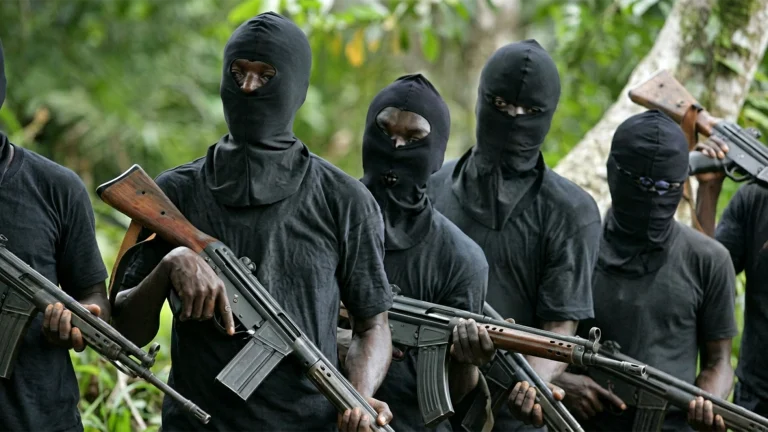
Recent attacks include the abduction of 24 female students in Kebbi, the kidnapping of 38 worshippers in Kwara, and the seizure of over 300 pupils and teachers in Niger State—incidents that have sparked nationwide outrage and deepened concerns about the safety of schools.