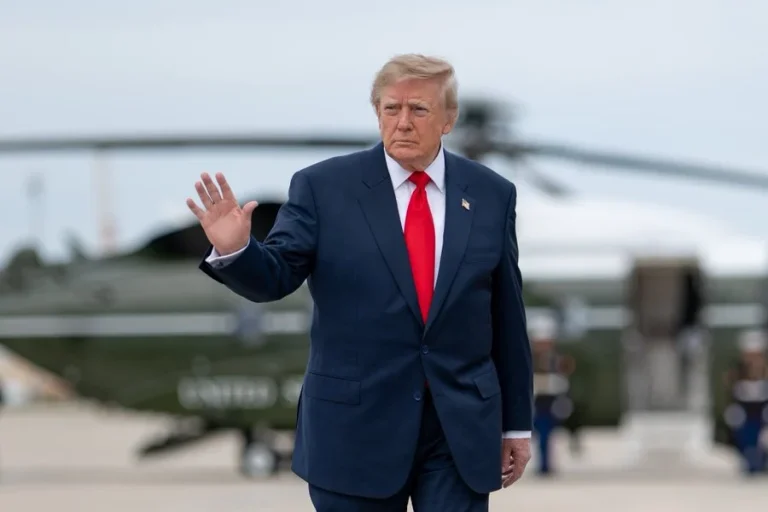
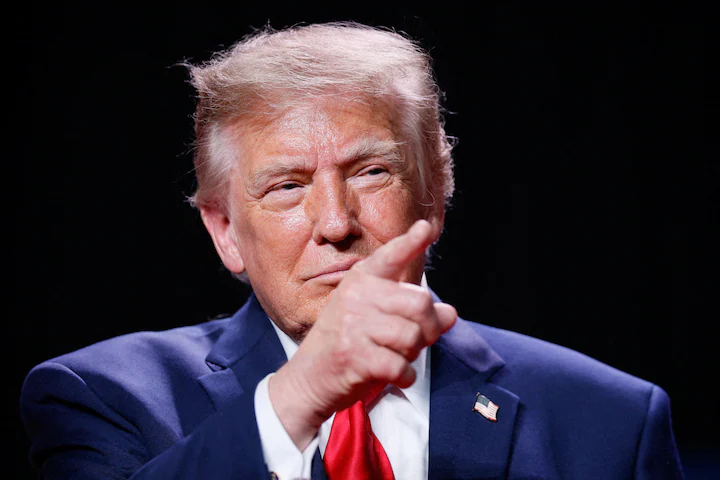
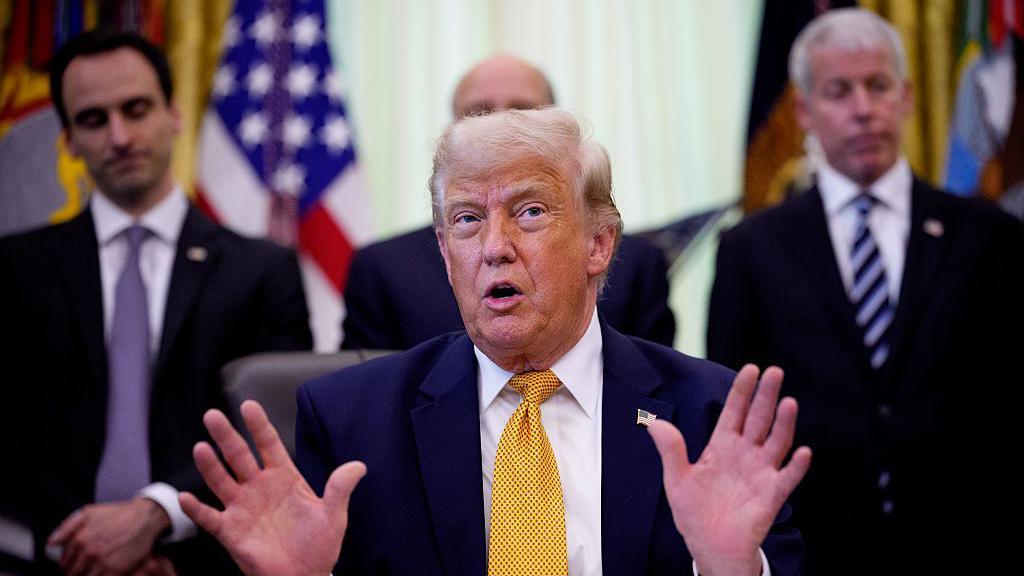
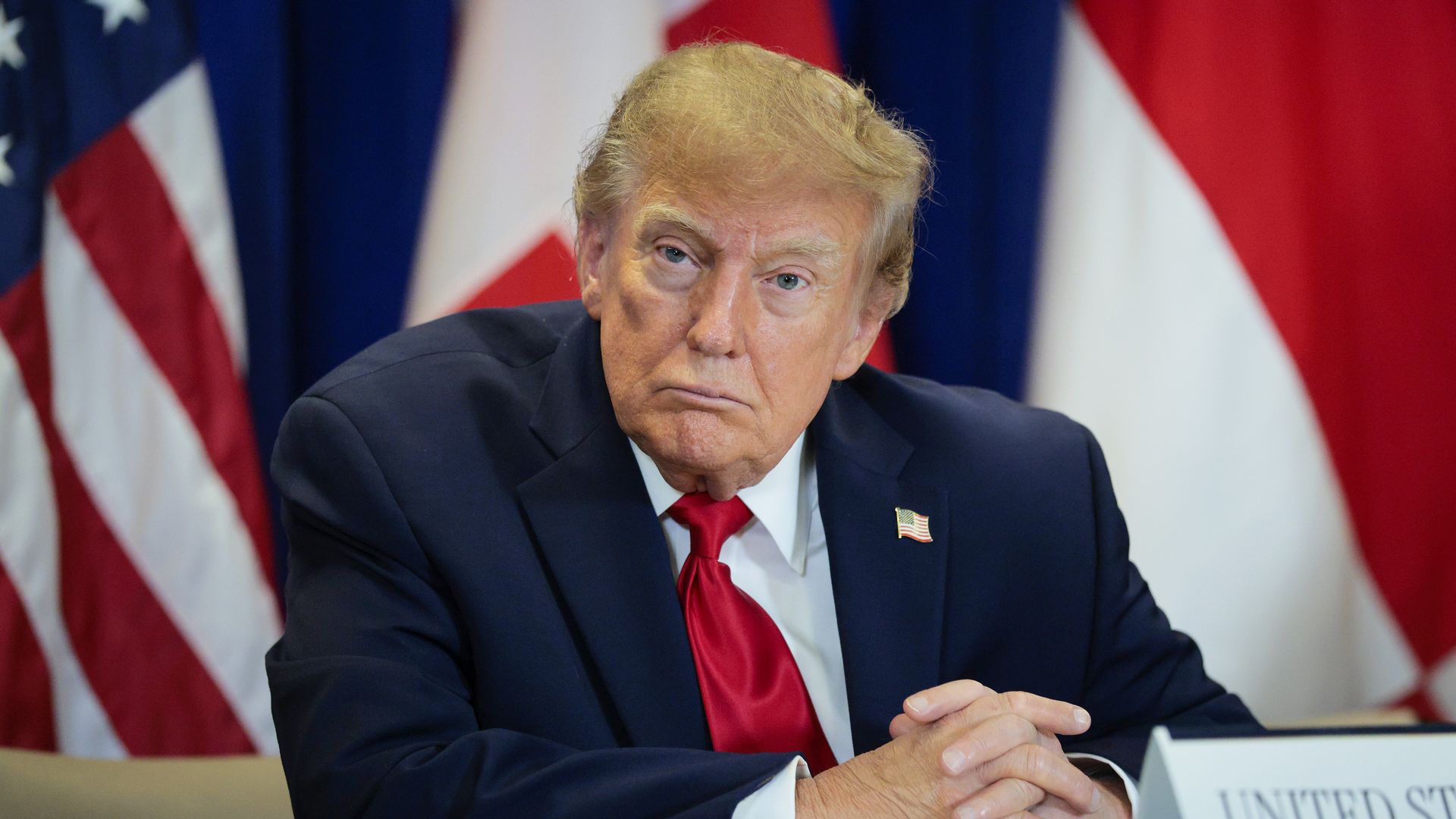
In a dramatic policy shift, United States President, Donald Trump, has announced plans to lift sanctions on Syria, just before a scheduled meeting with the country’s interim leader, Ahmed al-Sharaa.
The White House confirmed that Trump will “say hello” to al-Sharaa on Wednesday during his Middle East visit, with Saudi Arabia as the backdrop for the diplomatic engagement.
The announcement triggered scenes of jubilation across Damascus, where residents took to the streets in celebration with music, dancing, and even celebratory gunfire echoing through the capital.
Originally imposed to isolate the regime of ousted President Bashar al-Assad, the sanctions had severely limited Syria’s access to international funding and aid.
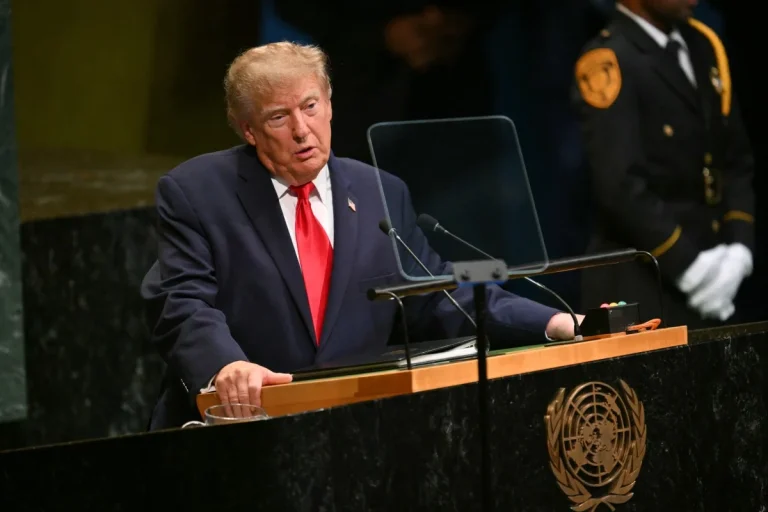
Trump, speaking at an investment summit in Riyadh, framed the move as an opportunity for national revival, stating, “it’s their time to shine.”
Syria’s Foreign Minister, Asaad al-Shaibani, hailed the decision in an interview with state-run news agency SANA, describing it as a “pivotal turning point for the country.”
He expressed optimism about a future rooted in “stability, self-sufficiency and genuine reconstruction after years of a destructive war.”
Since the fall of Assad’s regime in December, with nearly 90% of the population languishing below the poverty line, Syria’s transitional government has campaigned vigorously for the removal of international restrictions.
In a prior interview with the BBC, al-Sharaa asserted that Syria posed no global threat and reiterated his plea for an end to the sanctions.
He also pressed for the removal of the Islamist group Hayat Tahrir al-Sham from the international terror list. The group, once affiliated with al-Qaeda before its 2016 split, is still recognized as a terrorist organization by the UN, U.S., EU, and UK.
Standing alongside French President Emmanuel Macron at a recent press conference, al-Sharaa maintained, “these sanctions were imposed on the previous regime because of the crimes it committed, and this regime is gone.”
Al-Sharaa, a Sunni Islamist whose movement played a key role in the toppling of Assad, has pledged to safeguard Syria’s ethnic and religious minorities.
However, recent incidents, such as the mass killings of Alawite civilians in March during violent confrontations with Assad loyalists, have raised deep concerns among those communities.
Tensions have also flared between Islamist groups, security forces, and the Druze minority.
Trump’s decision represents a substantial pivot in U.S. foreign policy, which until now had insisted that measurable improvements in human rights were a precondition for lifting sanctions.
The policy reversal reportedly came after appeals from both Saudi Crown Prince Mohammed Bin Salman and Turkish President Tayyip Erdogan.
“Oh, what I do for the Crown Prince,” Trump quipped. “I like him too much.”
On the first leg of his Gulf tour, Trump and the Saudi Crown Prince also unveiled a massive $142 billion arms deal.
The former U.S. ambassador to Syria under President Barack Obama, Robert Ford, expressed support for the administration’s move.
“I visited Syria three months ago and the country is simply devastated after the 13-year civil war. It needs to rebuild, it needs reconstruction, it needs foreign financing to do that,” he told the BBC. “So removing the sanctions, that will enable international capital flows to go into Syria from Gulf states, from other Arab states and from different aid agencies is absolutely vital.”
Following his stop in Saudi Arabia, Trump’s regional tour will continue with visits to Qatar and the United Arab Emirates.