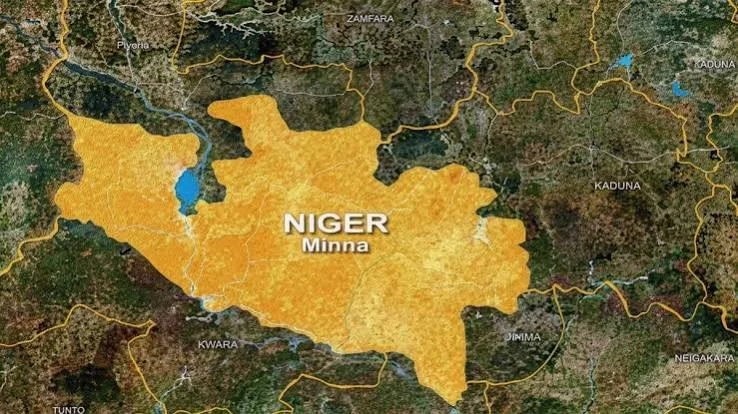
The Nigerian Senate has called for the prosecution and appropriate sanctions against officers of the Nigeria Security and Civil Defence Corps found responsible for the deaths of 37 young artisans who died in the agency’s custody in Minna, Niger State.
The lawmakers also urged the Federal Government to compensate the victims’ families and immediately implement the recommendations of the independent investigative committee established to examine the incident.
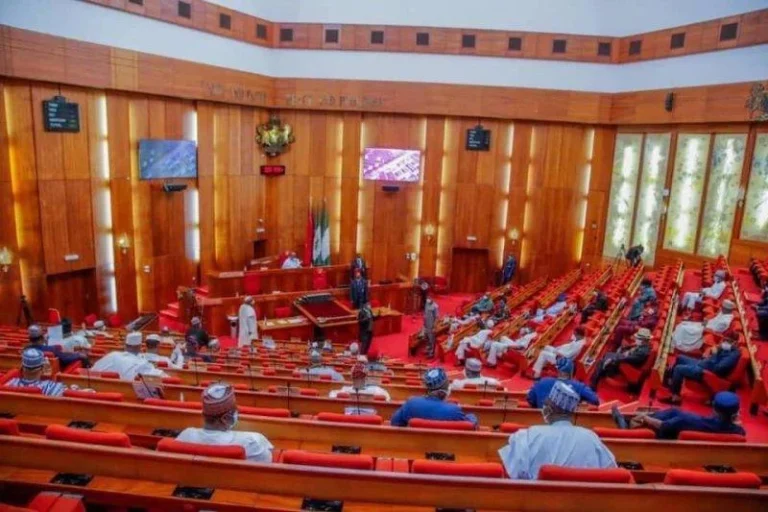
The resolutions followed a motion sponsored by Senator Mohammed Musa, representing Niger East, during plenary on Wednesday.
The 37 artisans reportedly died on September 17, 2026, after they were arrested during an operation targeting suspected illegal mining activities.
Presenting the motion, Musa described the incident as a grave human rights concern, insisting that it required transparency, accountability and reforms within the security agency.
He said, “The incident should not be treated as an ordinary tragedy but as a serious matter requiring transparency, accountability and institutional reforms to prevent a recurrence.”
The senator disclosed that a 10-member investigative committee constituted by the Federal Government had completed its assignment and submitted a report identifying serious lapses in the handling of the detainees.
According to him, the committee recommended sanctions against responsible officers, institutional reforms and compensation for the families of the deceased.
The Senate also observed a minute of silence in honour of the victims and commended President Bola Tinubu, the Federal Government and Niger State Governor, Mohammed Umaru Bago, for facilitating the investigation.
It further resolved to constitute a delegation led by the Senate President to visit the bereaved families in Niger State.
The committees on Interior, Human Rights, Police Affairs and Judiciary were mandated to monitor the implementation of the investigative panel’s recommendations and report their findings to the chamber.
The Senate subsequently included the Committee on Solid Minerals in the oversight process following an amendment proposed by the Acting Chief Whip, Senator Diket Plang, and seconded by Senator Abdul Ningi.
Contributing to the debate, former Edo State Governor, Senator Adams Oshiomhole, called for tougher measures against illegal mining, arguing that the practice should attract the same level of attention as illegal oil bunkering.
Oshiomhole said, “Illegal mining should be treated with the same seriousness as illegal oil bunkering, given its implications for national revenue, economic stability and the exploitation of the country’s natural resources.”
He urged traditional rulers, state governments and local government authorities to increase public awareness of the dangers of illegal mining.
However, he cautioned against interpreting the call for stricter enforcement as justification for the deaths of the artisans, noting that their alleged involvement in illegal mining had not been conclusively established.
Senator Simon Lalong seconded his additional prayer.
The Senate President also warned lawmakers against making assumptions about the guilt of the deceased, stressing that the circumstances surrounding their deaths must remain the central concern.
He said, “The Senate must be careful not to make assumptions about their guilt or innocence.”
Meanwhile, Ningi raised an objection to Oshiomhole’s additional prayer, arguing that the debate should concentrate on the deaths of the 37 Nigerians while in the custody of a government security agency.
He maintained that although illegal mining was a serious national issue, it should not overshadow the demand for justice, respect for human rights and accountability for the victims.
The Senate eventually adopted the resolutions, including the demand for sanctions against culpable NSCDC officers, compensation for the families and reforms to prevent similar incidents.
The deaths had triggered widespread outrage, mourning and protests in Niger State, with families and rights advocates demanding an independent investigation.
A presidential investigative panel subsequently established that the artisans died from severe overcrowding, extreme heat, dehydration and neglect, contrary to the initial disease outbreak explanation reportedly given by the NSCDC.
The incident has renewed concerns about the treatment of detainees and the responsibility of security agencies to protect people in their custody.