The World Health Organisation has raised concerns over the growing humanitarian crisis triggered by the ongoing military confrontation involving the United States, Israel and Iran, revealing that more than 1,800 people have been killed and about 12,500 others injured within two weeks of the conflict.
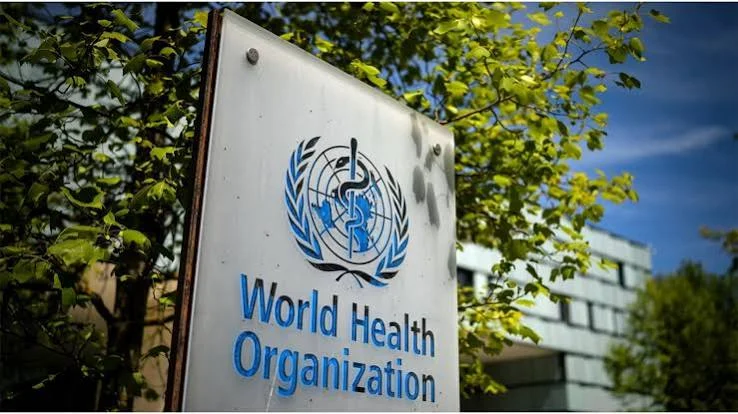
WHO Director-General, Dr Tedros Adhanom Ghebreyesus, disclosed this in a statement posted on his X (formerly Twitter) account on Wednesday, warning that health systems across the Middle East are facing severe pressure.
He said the rising casualty figures and widespread displacement of civilians have placed hospitals and medical services under enormous strain.
“The health systems across the region are under immense strain and are approaching the brink of collapse,” Tedros stated.
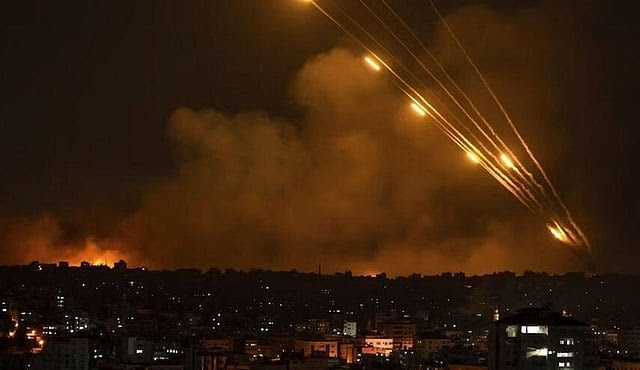
The crisis intensified on February 28, when a joint military operation by the United States and Israel targeted major Iranian cities, including Tehran. The strike reportedly killed Iran’s Supreme Leader, Ayatollah Ali Khamenei, alongside several senior officials.
According to the WHO chief, Iran has recorded the highest number of casualties, with more than 1,300 people killed and about 9,000 injured since the fighting began.
Lebanon has also suffered significant losses, with at least 570 deaths and approximately 1,400 injuries, while Israel has reported 15 deaths and over 2,100 injuries.
The conflict has also triggered a large-scale displacement crisis. WHO estimates indicate that over 100,000 people have fled their homes in Iran, while as many as 700,000 residents in Lebanon have been forced to relocate to safer areas.
Many of those displaced are reportedly living in overcrowded shelters with limited access to clean water, sanitation and healthcare, raising fears of possible disease outbreaks, particularly among women and children.
Tedros further expressed concern about the increasing number of attacks on health facilities in the conflict zones.
“Attacks on health infrastructure are deeply alarming. They not only cause casualties but also deny communities access to life-saving medical care when it is most urgently needed,” he said.
WHO data shows that 25 attacks on healthcare facilities have been recorded in Lebanon, 18 in Iran, and two in Israel since the escalation began.
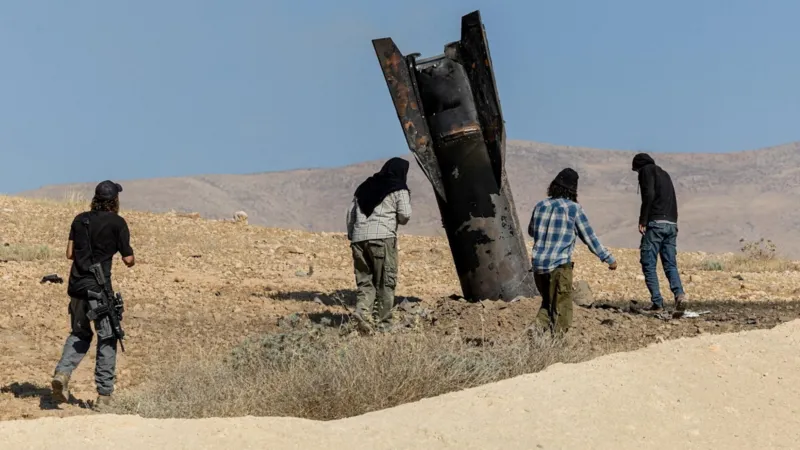
Meanwhile, the United States had defended its military action, stating that the strikes were aimed at neutralising what it described as growing missile and nuclear threats from Iran.
In response, Iran’s Islamic Revolutionary Guard Corps has carried out retaliatory attacks on Israeli locations and several US military bases in the region, including installations in Bahrain, Jordan, Kuwait, Qatar, Saudi Arabia and the United Arab Emirates.
Despite claims from Washington that the strikes were carefully targeted, WHO warned that the consequences have severely affected civilian populations across the region.
“The urgency for action is critical,” Tedros stressed. “We call on all parties to respect international humanitarian law, protect civilians and ensure unhindered access for humanitarian assistance.”
He also urged immediate de-escalation of hostilities to prevent further deterioration of already fragile healthcare systems in the Middle East.