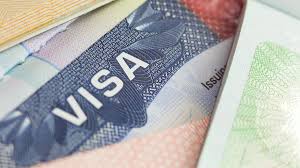
The United Kingdom has warned that it may impose visa restrictions on nationals of Angola, Namibia, and the Democratic Republic of Congo unless the three countries agree to receive irregular migrants being deported from the UK.
In a statement issued on Monday, the UK Home Office said the affected countries risk losing access to UK visas if they fail to cooperate in taking back “their criminals and illegal immigrants.”
The move comes ahead of Home Secretary Shabana Mahmood’s anticipated unveiling of new policies described as the “most sweeping reforms to tackle illegal migration in modern times.”
According to officials, the proposed overhaul is driven by rising political tensions around immigration in the UK, where the increasing number of asylum seekers crossing the English Channel has fuelled support for the hard-right Reform UK party.
The new measures are seen as an attempt by the government to counter the party’s growing influence.
Echoing sentiments similar to former U.S. President Donald Trump’s travel restrictions, the Home Office accused the three African nations of showing “unacceptably low cooperation and obstructive returns processes.”
Home Office Minister Alex Norris, in an interview with Sky News, gave the governments of Angola, Namibia, and the DRC a one-month deadline to comply.
“They have one month to get this in order,” he said, adding that similar visa sanctions could be extended to other countries with high numbers of irregular migrants.
The UK is also considering introducing an “emergency brake” on visas for nationals of countries whose citizens frequently apply for asylum after entering legally.
Even as asylum applications have increased, government data shows that the number of initial approvals dropped between 2023 and 2024. Mahmood’s forthcoming reforms will tighten asylum rules further, aligning partly with Denmark’s stringent model.
Under the proposed changes, refugee status will be shortened from five years to 30 months, automatic benefits for asylum seekers will be scrapped, and refugee protections will undergo frequent reviews.
Individuals will also need to wait 20 years up from the current five before becoming eligible for permanent residency.
Critics say the policy is too harsh. Labour MP Tony Vaughan told BBC’s Today programme: “We should be welcoming and integrating—not creating perpetual limbo and alienation. It doesn’t help refugees, and it doesn’t help society.”