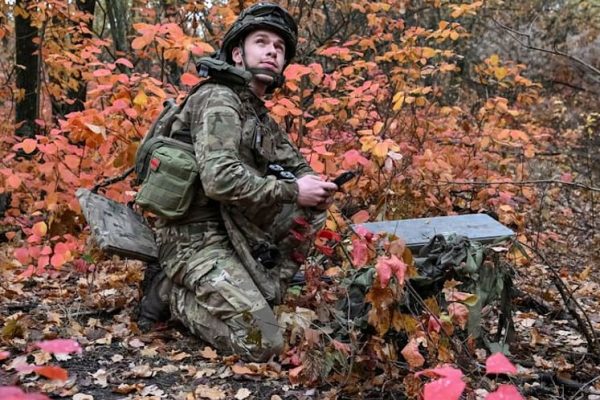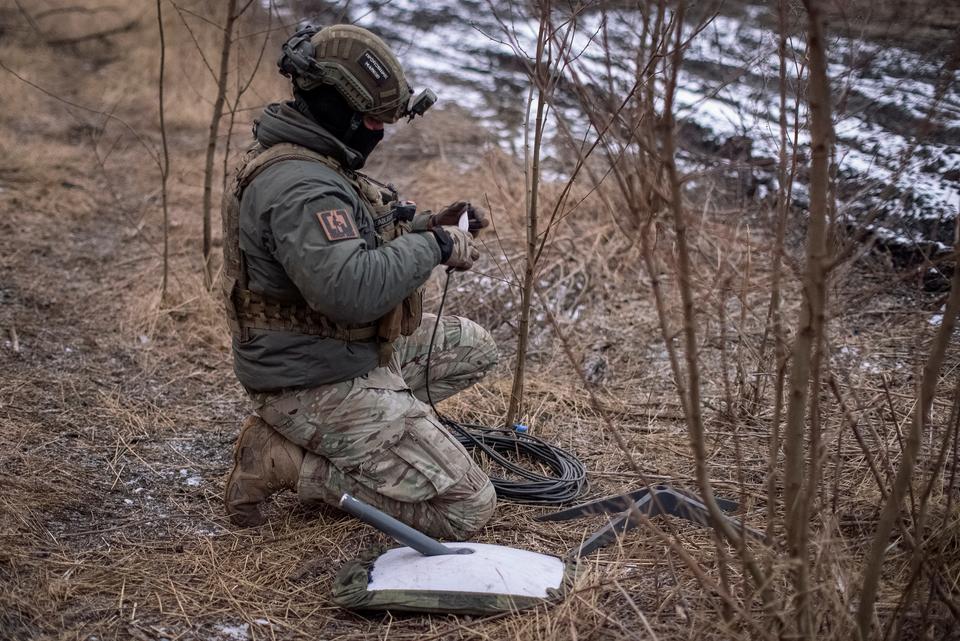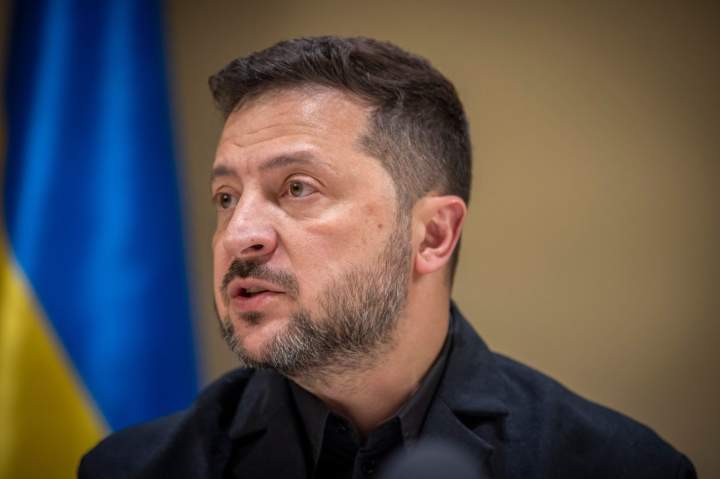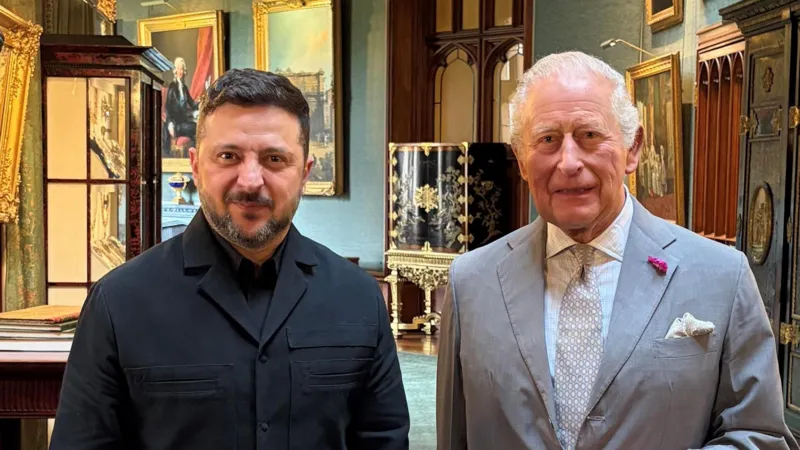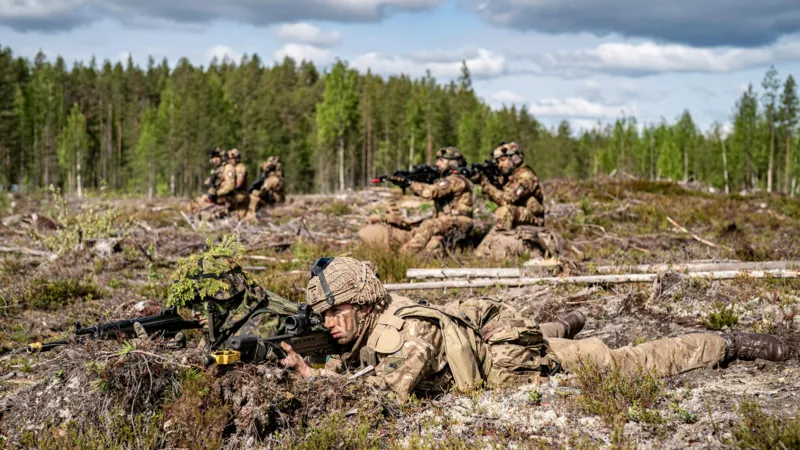
Britain and France are set to lead a major military exercise involving nearly 3,000 personnel from 12 European countries to test preparations for deploying a multinational force to Ukraine if a peace agreement is reached.
The exercise, scheduled to take place in neighbouring Poland from November 9 to 22, will assess the participating countries’ ability to move troops, provide supplies and protect a military force operating in Ukraine after the war.
The proposed deployment is part of long-term security guarantees European countries have been considering for Ukraine.
However, several details about the force, including its eventual size, structure and operational responsibilities, remain uncertain.
Western officials said the proposed force would not participate in offensive military operations, peacekeeping or ceasefire monitoring. It would also operate independently of NATO command and would not be stationed on the frontline.
Instead, its presence would be aimed at reassuring Ukraine and supporting efforts to rebuild the country’s armed forces.
The United States has participated in discussions about the initiative but will not contribute troops to the mission.
Russia has repeatedly opposed the deployment of foreign military personnel in Ukraine. President Vladimir Putin warned last year that any foreign troops stationed in the country would be considered “legitimate targets”.
Western officials have yet to clarify the rules of engagement should the proposed force come under attack, although they maintain that its personnel would be allowed to defend themselves.
UK Defence Secretary Wes Streeting said the exercise demonstrated Britain’s commitment, alongside France and other allies, to preparing for Ukraine’s security once hostilities ended.
He said, “This is not a hypothetical plan, it’s a real force, ready to help Ukraine once the fighting stops.”
The UK commander of the Multi National Force – Ukraine, Lt Gen Tom Bateman, described the exercise as a significant move towards turning political commitments into practical military readiness.
He said it was a “real, capable, readily deployable force that represented a serious commitment from Coalition of the Willing nations to Ukraine’s long-term stability and security”.
Known as Exercise Koalicja, the military drill will involve about 2,800 personnel across land, sea and air operations.
Britain is expected to contribute 300 troops and two Royal Air Force Typhoon fighter jets.
The fighter aircraft will practise providing reassurance to commercial planes when Ukraine’s airspace eventually reopens.
Turkey, meanwhile, has agreed to lead the maritime component, which is expected to focus on clearing mines and restoring commercial activities in the Black Sea.
Other participating countries include Belgium, Estonia, Germany, Lithuania, the Netherlands, Poland, Spain, Sweden and Turkey, alongside Britain and France.
However, Western officials have declined to provide details of the final composition of the force that could be deployed if the conflict ends.
Military experts have previously suggested that tens of thousands of foreign troops might be required to guarantee Ukraine’s security.
Officials, however, said the eventual contributions would depend on the circumstances surrounding any cessation of hostilities and the political decisions of individual countries.
There are also questions about the role Western troops could play in training Ukrainian forces, given the country’s extensive battlefield experience. Ukrainian soldiers are already helping train NATO personnel, particularly in drone warfare.
Meanwhile, Russia has shown no indication that it is prepared to end its invasion of Ukraine.