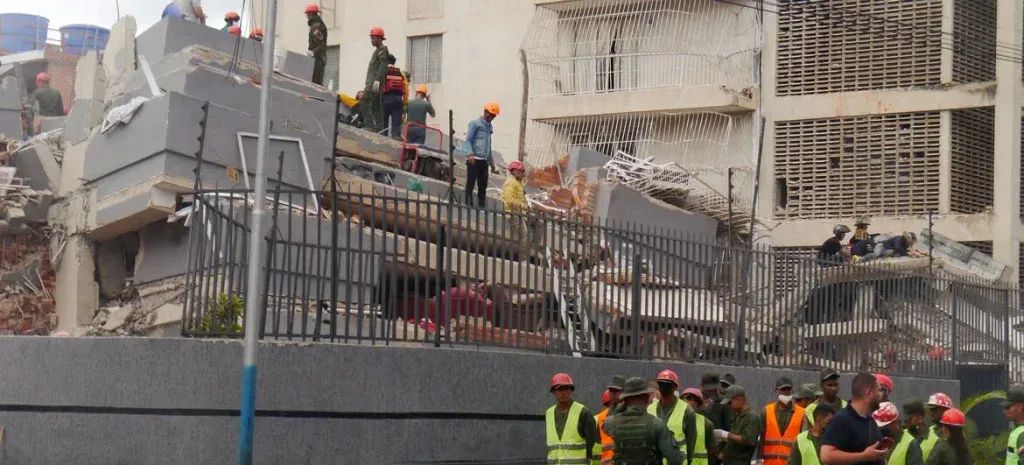
A three-year-old child has been rescued alive from the rubble of a collapsed building in Venezuela, six days after two powerful earthquakes devastated parts of the country, offering a rare moment of hope amid an unfolding humanitarian crisis.
The child was rescued during an ongoing search and rescue operation in La Guaira, one of the regions worst affected by the twin earthquakes measuring 7.2 and 7.5 in magnitude that struck less than a minute apart on June 24.
The rescue came as emergency workers continued searching for survivors while humanitarian agencies expanded relief efforts across affected communities.
The United Nations refugee agency said the scale of humanitarian needs continues to grow as the confirmed death toll approaches 2,000.
“As the death toll rises, needs are skyrocketing,” the UN refugee agency said in an online update.
Authorities said more than 6,400 people have been rescued since the disaster, while thousands of families remain without adequate shelter.
The UN Office for the Coordination of Humanitarian Affairs stressed that rescue efforts remain a top priority.
“Every life matters,” OCHA said, noting that national and international rescue teams are still combing through damaged areas in La Guaira.
According to Veronique Durroux, Public Information Officer for the UN Disaster Assessment and Coordination team, assessment teams are continuing to identify communities requiring urgent assistance.
“We are working to determine where and for whom humanitarian assistance is needed,” Durroux said.
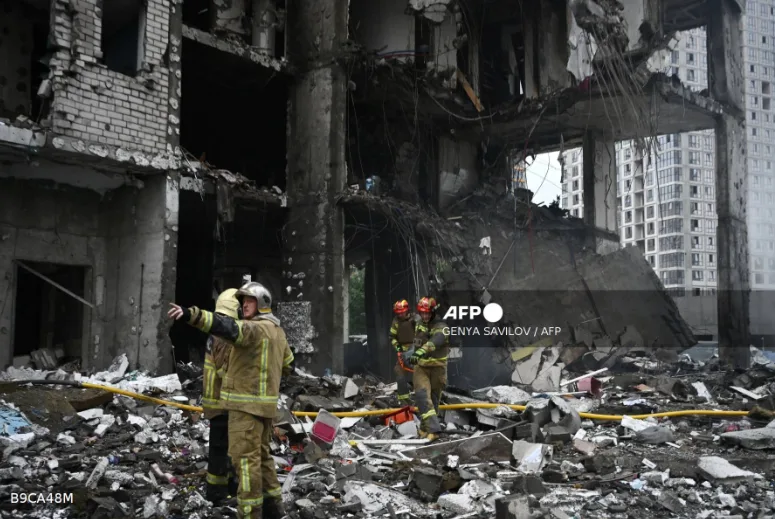
Officials said approximately 1,000 buildings, including hospitals, as well as more than 400 schools and water facilities, have either been damaged or destroyed.
To support relief efforts, the United Nations Children’s Fund has delivered an initial 47-tonne shipment of emergency supplies to Venezuela, complementing an earlier consignment that arrived from Panama on June 28.
UNICEF said the combined supplies are expected to assist more than 100,000 children and families over the next three months.
“UNICEF is on the ground and working around the clock to reach as many children and families as possible,” UNICEF representative Gabriel Vockel said.
“The first flights carrying water, medicine and other essential supplies have arrived. We are grateful for the solidarity, but additional funding is needed to save more lives and reach more children and families,” he added.
The supplies include emergency medical kits, maternal and newborn care equipment, water purification materials, temporary shelters, child-friendly spaces and wheelchairs.
UNICEF Regional Director for Latin America and the Caribbean, Roberto Benes, said many survivors continue to face severe hardship.
“Families across the affected states urgently need safe water and access to healthcare,” Benes said.
“Many are sleeping outdoors because they fear further aftershocks. While these supplies will help, the needs on the ground remain far greater than what has arrived.”
UNICEF estimates that about 680,000 children across six affected states require humanitarian assistance following what is described as Venezuela’s most powerful earthquake in more than 100 years.
The agency also warned that communities remain vulnerable as more than 600 aftershocks have been recorded since the initial earthquakes.
UNICEF said it requires $52 million to respond to the earthquake emergency as part of its broader 2026 humanitarian appeal for Venezuela, which remains only 35 per cent funded.