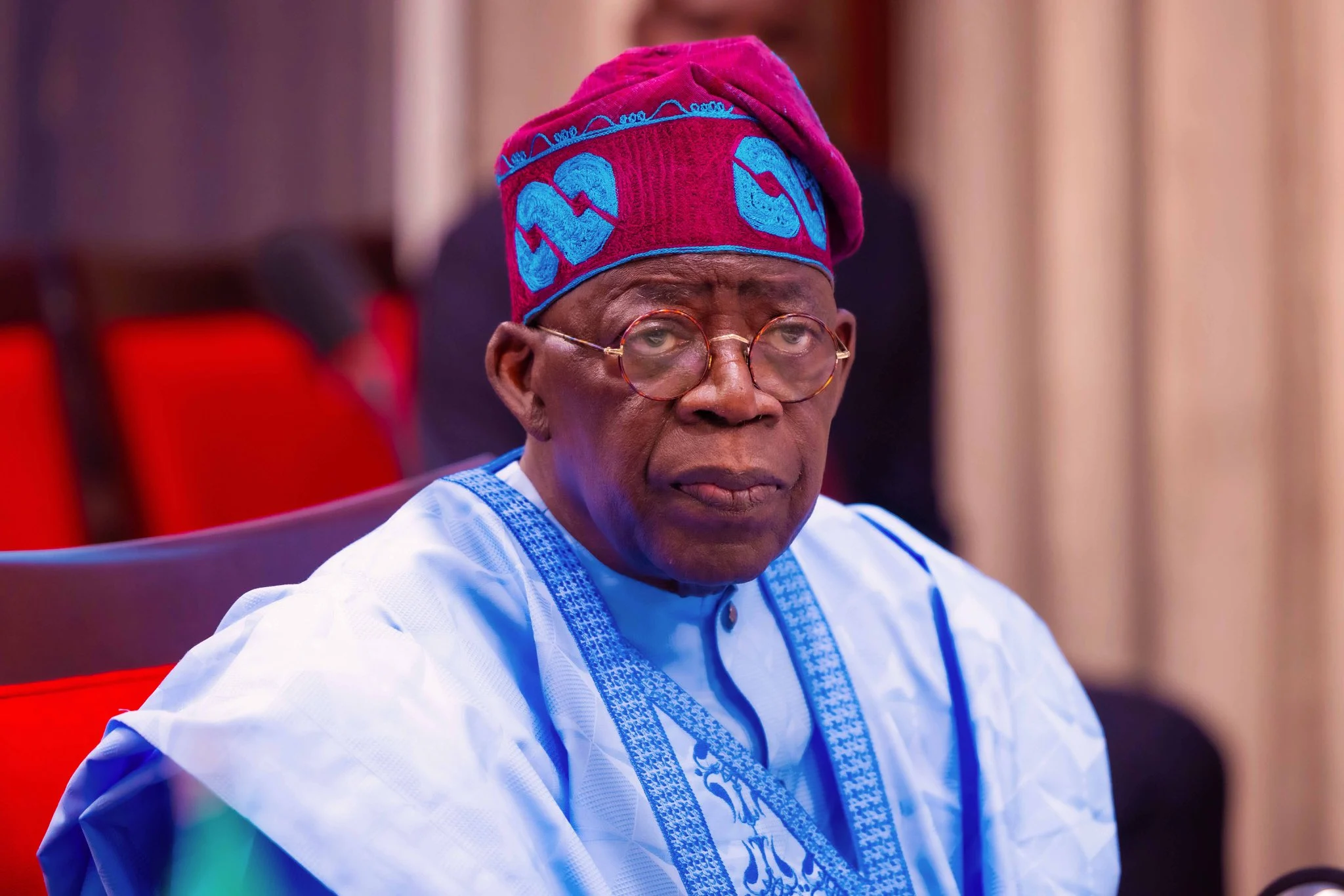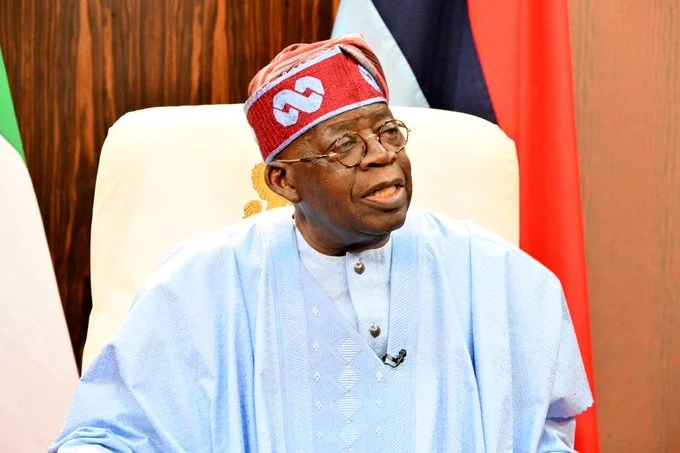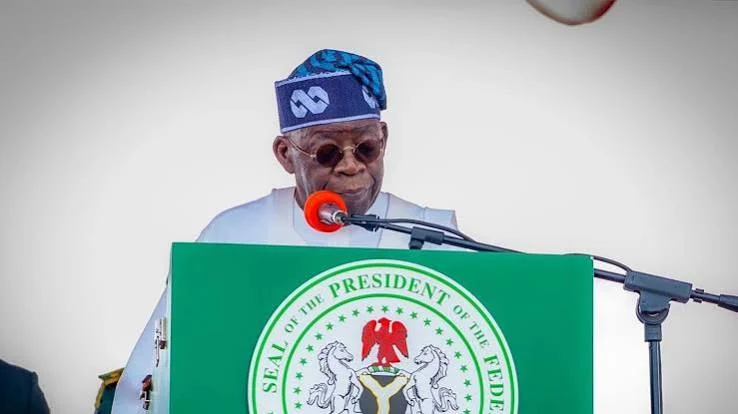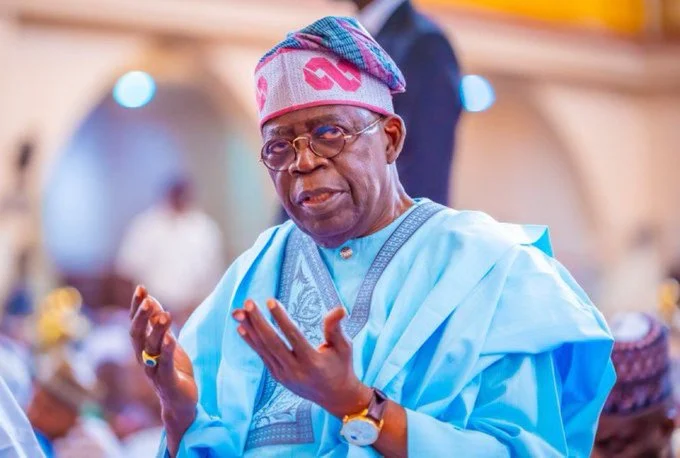
President Bola Tinubu has declined a request to meet with a special delegation sent by South African President Cyril Ramaphosa over renewed attacks on Nigerians and other African nationals in South Africa.
The delegation, led by South Africa’s Minister of International Relations and Cooperation, Ronald Lamola, was instead directed to meet with Nigeria’s Minister of State for Foreign Affairs, Ambassador Sola Enikanolaiye.
The South African team reportedly arrived in Abuja on Friday, July 24, with a message from President Ramaphosa and remained in the Nigerian capital over the weekend in anticipation of a meeting with President Tinubu.
However, sources within the Presidency said the President later instructed the delegation to engage with the Minister of State for Foreign Affairs, who would brief him on the outcome of the discussions.
One Presidency source said the delegation had initially sought an audience with Tinubu without prior notice.
The source said, “They actually came here on Friday wanting to see the President. But there was no prior notice. We asked the President if he was available, and he initially said they could come on Monday.
“But when Monday came, he simply directed them to meet with the Minister of State for Foreign Affairs, and whatever they discuss, the Minister would brief him.”
The development comes amid heightened diplomatic tensions between Nigeria and South Africa following renewed xenophobic attacks targeting Nigerians and other African migrants.
Receiving the delegation in Abuja, Enikanolaiye said President Tinubu had asked him to engage the South African officials on ways to resolve the crisis.
He said, “President Bola Ahmed Tinubu had actually asked us to meet with you and exchange views and perspectives on how to address and resolve the ongoing Afrophobic attacks in South Africa, of which Nigerians and other citizens of Africa have been victims.”
The minister said repeated attacks on Nigerians in South Africa had continued for decades, noting that the Nigerian government was concerned about the safety of its citizens and the alleged failure to adequately protect them.
Enikanolaiye stressed that Nigeria would not support criminal activities but insisted that suspects must be dealt with through lawful procedures rather than mob violence.
He said, “If someone is, quote-unquote, a criminal for drug trafficking, there are rules and regulations for when they are arrested, prosecuted and jailed. The Nigerian government will not support drug peddlers, but what we are saying is that they should be treated in accordance with the law and international human rights standards.”
According to the minister, some Nigerians who had legitimate reasons to remain in South Africa had also been victims of attacks.
He expressed concern over reports of police officers allegedly standing by while mobs attacked migrants, saying such incidents raised questions about the responsibility of the South African authorities.
Lamola, in response, said President Ramaphosa had sent the delegation to reaffirm South Africa’s opposition to xenophobia and other forms of discrimination.
He said, “We have been outspoken against any intolerance, including xenophobia, racism, homophobia, violence and discrimination directed at individuals within our borders.”
The South African minister, however, defended his country’s right to enforce its immigration laws and tackle irregular migration and criminal activities.
He said, “President Ramaphosa has also been very firm on South Africa’s sovereign right to enforce immigration laws, including dealing decisively with irregular migration and undocumented immigrants.”
Lamola described migration as a challenge that required cooperation among African countries, expressing hope that the Abuja discussions would help ease tensions between Nigeria and South Africa.
The diplomatic dispute follows a fresh wave of xenophobic violence reported in parts of South Africa, prompting Nigeria to facilitate the voluntary return of affected citizens.
The Nigerian government has also warned that further diplomatic measures could be considered if the attacks continue, while lawmakers have taken steps to express the country’s displeasure.
The latest diplomatic engagement is expected to help both countries address the crisis ahead of the African Union Extraordinary Summit on conflict prevention and resolution scheduled to hold in Angola in August.