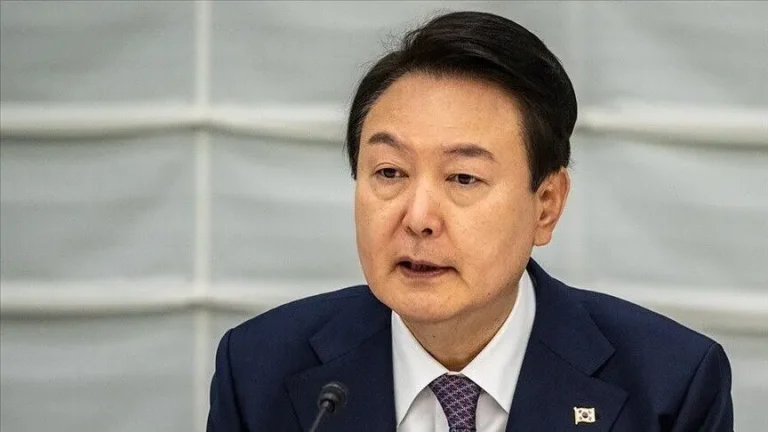
South Korea’s Supreme Court on Thursday affirmed the seven-year prison sentence handed to former president Yoon Suk Yeol over offences linked to his failed 2024 martial law declaration and the turmoil that followed.
The case centred on allegations that Yoon obstructed cabinet deliberations before imposing martial law and used forged signatures belonging to the prime minister.
Prosecutors also accused him of deploying presidential security personnel to prevent his arrest after lawmakers voted to overturn the declaration.
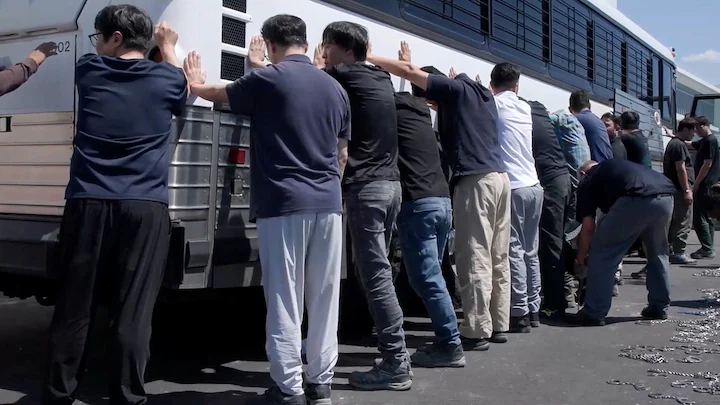
The former president remains in custody while contesting a separate life sentence imposed for leading what prosecutors described as an insurrection through the martial law declaration.
Yoon has consistently argued that his actions were taken in the public interest.
In the Supreme Court case, prosecutors said Yoon deliberately excluded several cabinet ministers by summoning only a select group to a meeting shortly before announcing martial law.
Additional charges included creating and later destroying a fabricated martial law decree carrying forged signatures of the prime minister, directing officials to circulate a misleading press statement to foreign media, and ordering a military commander to erase records from encrypted military phones.
Although prosecutors had sought a 10-year prison term, a lower court sentenced Yoon to five years in January after finding him guilty on most counts.
An appeals court in April upheld the convictions, added a guilty verdict relating to the misleading press release, and increased the sentence to seven years.
Both the prosecution and Yoon’s legal team challenged the ruling before the Supreme Court, whose decision is final.
“All appeals are dismissed,” a Supreme Court judge said in a televised ruling, adding that the lower court’s judgment “contained no errors”.
Reacting to the verdict, Yoon’s lawyers expressed “deep regret”, claiming the Supreme Court concluded the case “without sufficient deliberation”.
The legal team said it would contest the decision on constitutional grounds and file a formal complaint.
Political crisis
Yoon’s late-night televised address in December 2024, in which he declared martial law and suspended civilian rule, plunged South Korea into one of the country’s worst political crises in decades.
The order remained in force for only about six hours before lawmakers convened an emergency session and voted to revoke it.
Even so, the declaration sparked nationwide protests, rattled financial markets, and caught major allies, including the United States, by surprise.
In another criminal case, Yoon was sentenced to 30 years in prison after a court found he had ordered drones to be sent into North Korea in an attempt to “manufacture” a crisis ahead of his martial law declaration.
The former president has maintained that his decision to impose martial law was “solely for the sake of the nation”.
He had also argued in 2024 that the move was necessary to eliminate “anti-state forces” and counter what he described as threats posed by North Korea.
Yoon was removed from office over the failed martial law declaration in April 2025, paving the way for elections that brought Lee Jae Myung of the centre-left Democratic Party to power.