Russian authorities have started limiting access to Telegram, one of the country’s most widely used messaging apps, as part of an ongoing effort to steer citizens toward state-controlled alternatives to foreign technology platforms.
On Tuesday, the government announced restrictions on Telegram, citing the need to “protect Russian citizens” and accusing the platform of failing to block content it deems “criminal and terrorist.”
Russia’s telecom regulator, Roskomnadzor, stated that it would maintain these restrictions “until violations of Russian law are eliminated.”
“Personal data is not protected, and there are no effective measures to counter fraud or the use of the messaging service for criminal and terrorist purposes,” the regulator said.
Telegram, however, rejected the claims, asserting that it actively works to prevent harmful use of its service.
According to the Russian state news agency TASS, Telegram could face fines totaling 64 million rubles ($828,000) for allegedly refusing to remove prohibited content and failing to self-regulate.
As the restrictions took effect, many Russian users reported disruptions, with thousands complaining that the app was either malfunctioning or running slowly.
Digital tracking site Downdetector recorded over 11,000 complaints within 24 hours.
Telegram is a notable target for Russia’s censorship efforts because it remains widely used across the country, including by military personnel, top government officials, state media, and regulatory bodies like the Kremlin and Roskomnadzor itself.
Pavel Durov, Telegram’s Russian-born founder, responded on Tuesday, insisting that Russia’s attempt to block the platform would fail.
“Telegram stands for freedom of speech and privacy, no matter the pressure,” he said.
“Russia is restricting access to Telegram in an attempt to force its citizens to switch to a state-controlled app built for surveillance and political censorship,” Durov added. “Eight years ago, Iran tried the same strategy – and failed. It banned Telegram on made-up pretexts, trying to force people onto a state-run alternative.”
In Russia, the government-backed alternative is the Max app, which must now be pre-installed on all new smartphones and tablets.
Max allows users to message each other, make audio and video calls, and transfer money.
Interestingly, Max was developed by VKontakte, the social media platform Durov co-founded before leaving Russia in 2014 after refusing the Kremlin’s request to hand over Ukrainian users’ data. VK is now state-owned.
Russia has targeted Telegram before. Adam Segal, director of the Digital and Cyberspace Policy program at the Council on Foreign Relations, told CNN that efforts to isolate Russian citizens from foreign apps stretch back almost a decade, including a 2018 attempt to block Telegram.
More recently, in August, Roskomnadzor partially restricted calls on Telegram and WhatsApp, citing fraud, extortion, sabotage, and terrorist activities.
The following month, Russia began pre-installing Max on new devices.
Segal noted that the Telegram restrictions have sparked criticism within Russia, even from some pro-military voices.
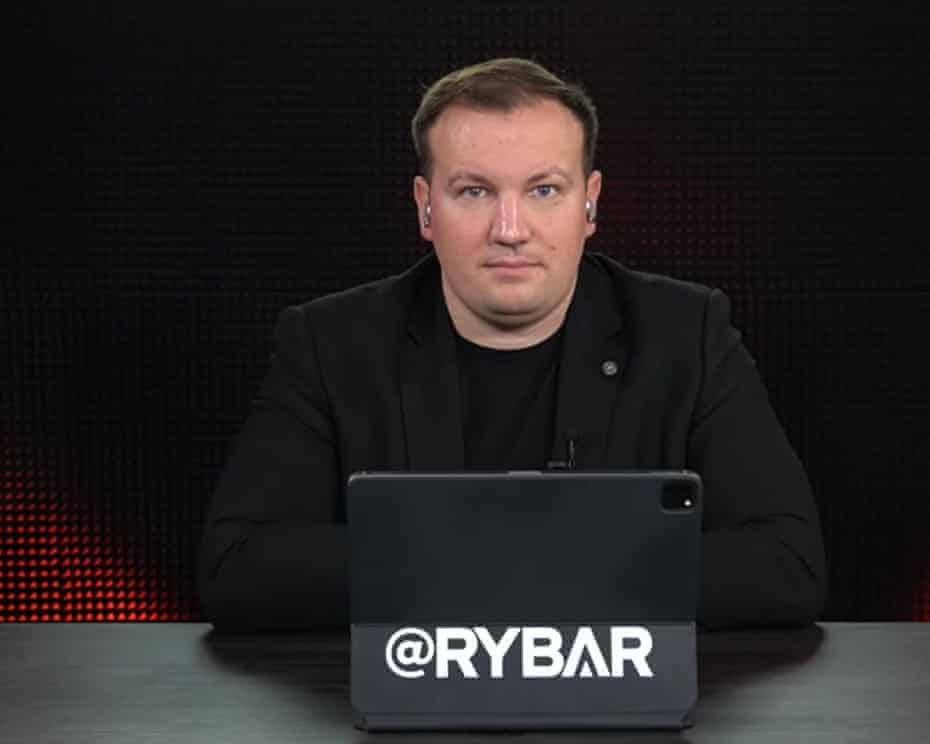
One military blogger complained that Roskomnadzor was aiding “the enemy” and forcing Russian troops to rely on “carrier pigeons” due to Telegram limitations.
Segal believes the government has decided that the benefits outweigh the backlash, given its internal security priorities.
In recent years, Russia has studied China’s Great Firewall, a sophisticated internet control system, and purchased related technology
Still, Segal says, “I don’t think the Russians are there yet” in terms of surveillance capabilities.
“I think it’s going to be kind of two steps forward, one step back, or one step forward, two steps back,” he explained about Russia’s efforts to block apps like Telegram. Russians will “still have to deal with some of their own technical limitations, as well as domestic pressure to continue using global apps.”
“You’ll see certainly see technological savvy elite Russians continue to use it through VPNs and other workarounds,” Segal added.