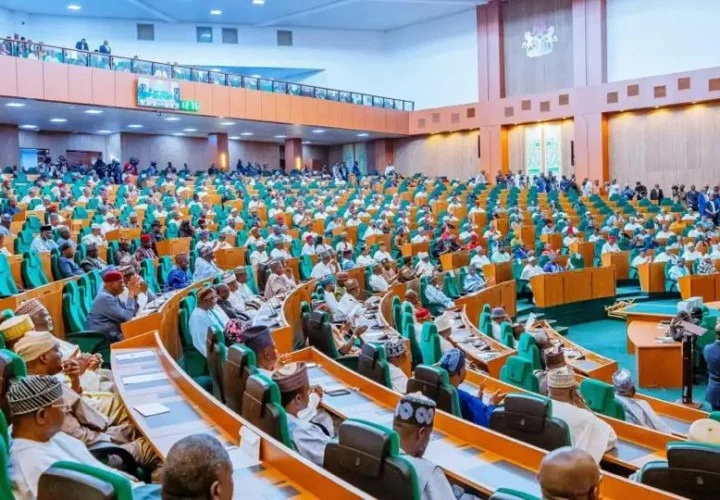
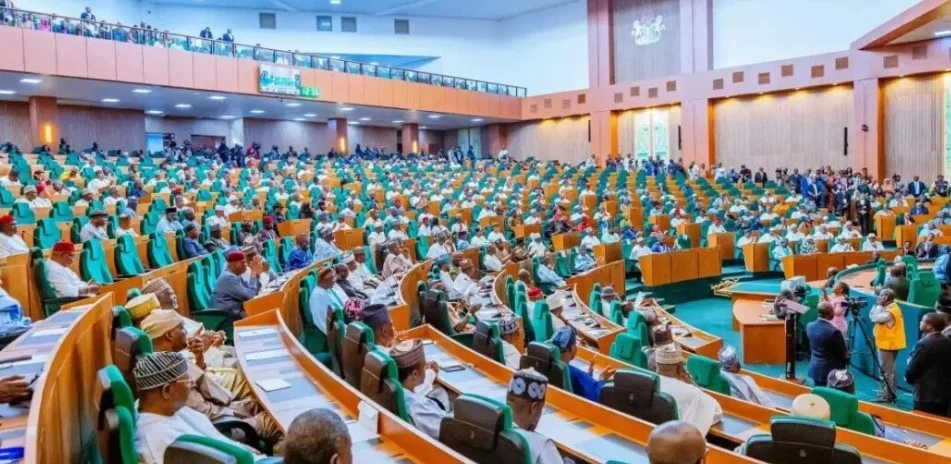
The House of Representatives on Tuesday convened a special plenary session dedicated to tackling Nigeria’s worsening security situation, with lawmakers expected to adopt a comprehensive set of resolutions outlining immediate actions, timelines, and oversight measures.
A delegation from St. Kitts and Nevis, led by the Speaker of its parliament, Lanein Blanchette, joined the session, alongside officials from the United States Embassy who were formally admitted into the chamber.
During the sitting, the House received a consolidated internal security assessment compiled by several committees.
The report covered recent security incidents, emerging trends, oversight findings, and updates on previous resolutions. Committees on Defence, National Security and Intelligence, Police Affairs, Human Rights, Interior, Foreign Affairs, Women Affairs, Youth Development, and Emergency and Disaster Preparedness also delivered evidence-based presentations.
In his opening remarks, Speaker Tajudeen Abbas reaffirmed that Nigeria’s sovereignty “is not negotiable,” while acknowledging the country’s longstanding ties with the United States.
He expressed readiness to work with the US to strengthen Nigeria’s response to security threats.
Abbas also disclosed that the House was critically reviewing the Religious Freedom Accountability Bill, noting that both Christian and Muslim communities have been victims of terrorist attacks.
He further referenced the growing instability in neighbouring West African countries, particularly the resurgence of military coups.
The special session comes amid a spike in nationwide insecurity, marked by mass kidnappings of students and worshippers in recent weeks. Abductions in Kebbi and Niger states have forced school closures across several northern states, prompting public outrage and intensified criticism of the Federal Government’s handling of security.
Opposition figures have accused the administration of President Bola Ahmed Tinubu of failing to protect citizens. International attention has also heightened, with the US Congress recently holding a public hearing following President Donald Trump’s redesignation of Nigeria as a Country of Particular Concern.
Witnesses, including victims and lawmakers, testified to rising violence, mass displacement, and widespread destruction in various regions.