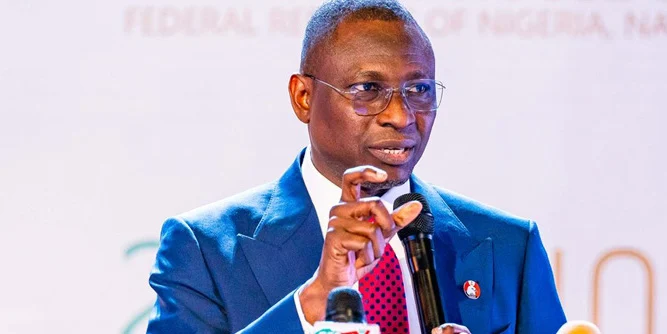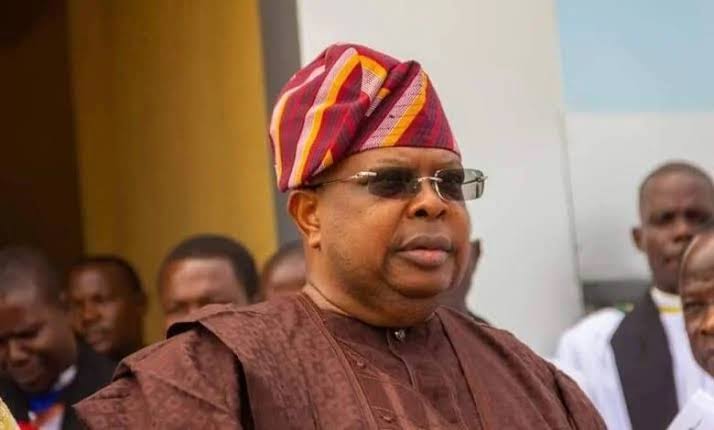
The Minister of Power, Joseph Tegbe, has called on the Economic and Financial Crimes Commission to support efforts to tackle the vandalism of power infrastructure and electricity theft in Nigeria.
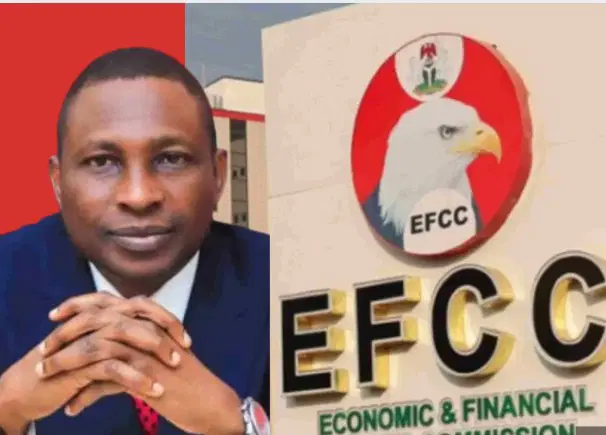
Tegbe appealed on Tuesday in Abuja when he led officials of the Ministry of Power on a courtesy visit to the EFCC Executive Chairman, Ola Olukoyede.
The minister said vandalism and energy theft were causing substantial financial losses to the power sector and undermining efforts to improve electricity supply.
He said the ministry needed the EFCC’s support because it lacked the statutory authority to prosecute offenders involved in the alleged economic crimes.
Tegbe said, “There are two areas where we need your intervention. One area is vandalism. There is a lot of vandalism going on in this country.”
He added that the theft of valuable infrastructure, including manhole covers, was affecting electricity transmission towers and other facilities.
According to him, the government wants both those stealing power infrastructure and those buying stolen materials to be prosecuted.
On electricity theft, the minister said some companies and consumers were allegedly taking electricity without paying their bills, leading to billions of naira in revenue losses annually.
He said, “The second area is energy theft. Companies that have access to power do not pay electricity bills. We are losing billions annually. We need your intervention.”
Responding, the EFCC chairman described vandalism and energy theft as forms of revenue fraud and economic sabotage, pledging the commission’s cooperation with the Ministry of Power.
Olukoyede said the EFCC would work with the ministry to introduce fraud-risk assessment and control mechanisms across power projects, including abandoned and newly initiated projects.
He said the commission would also constitute a team to examine and audit selected projects as part of efforts to prevent financial losses.
Olukoyede stressed that fraud prevention should begin before public funds are misappropriated, saying, “We must not wait till monies are stolen, particularly on sensitive projects. It is not going to be business as usual.”
The minister also commended the EFCC chairman for his work in investigating economic and financial crimes and recovering proceeds of crime.
He expressed optimism that stronger collaboration between both institutions would help protect critical power infrastructure, reduce revenue leakages and support improvements in electricity supply.