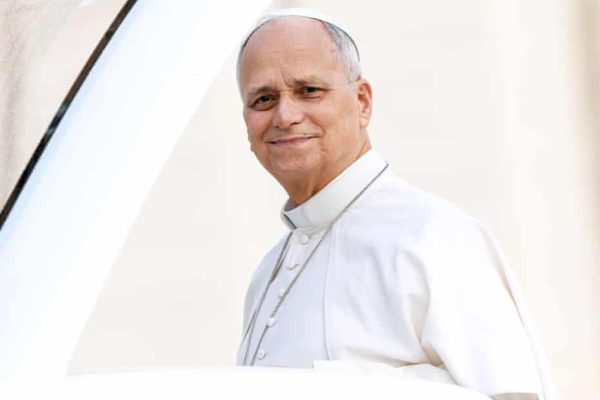
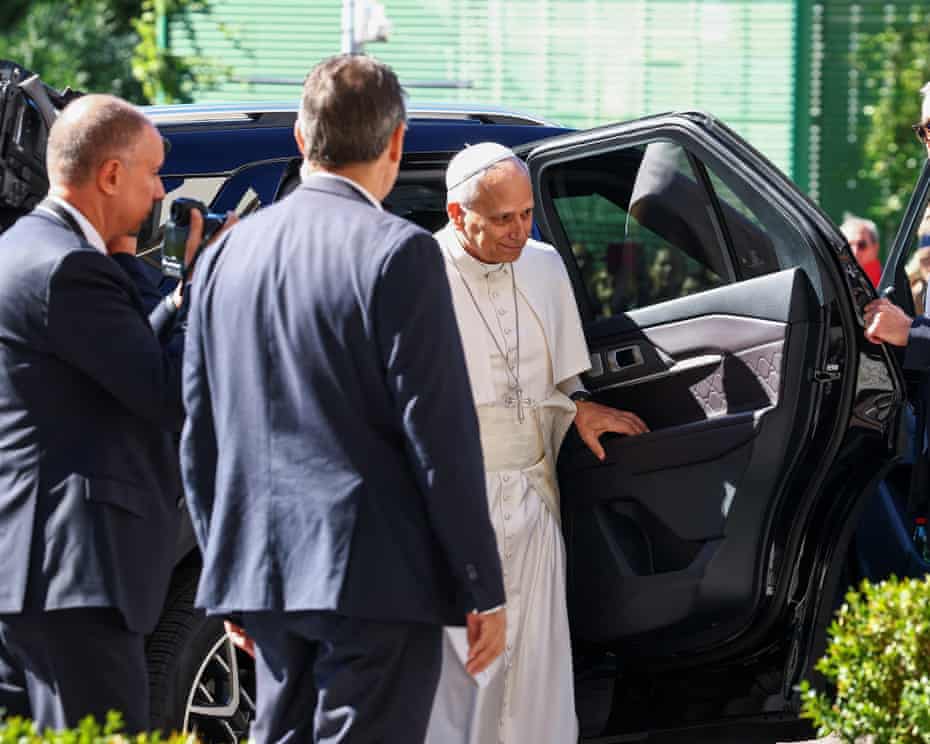
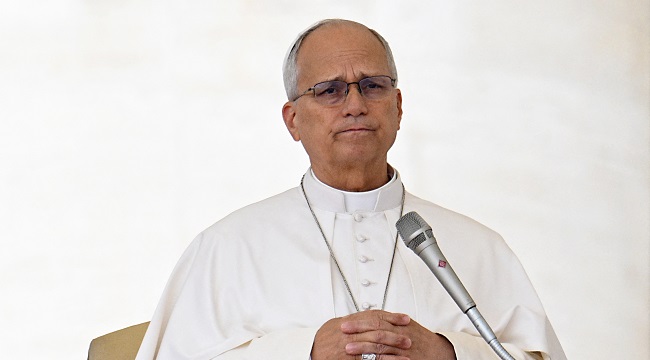
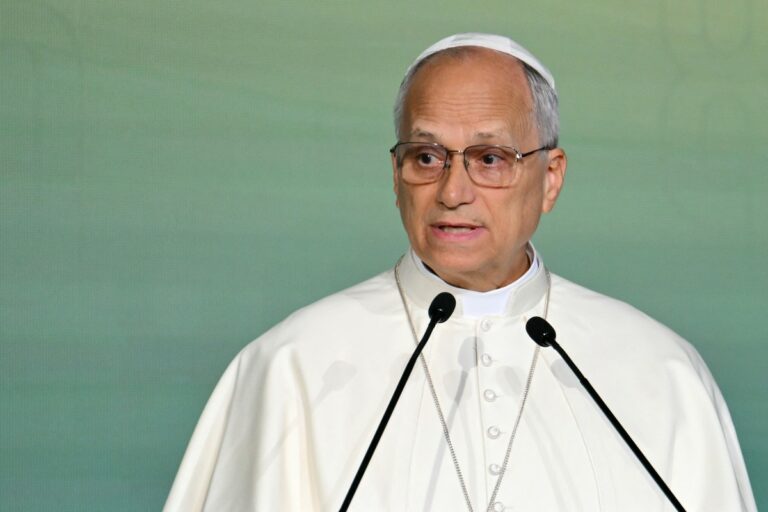
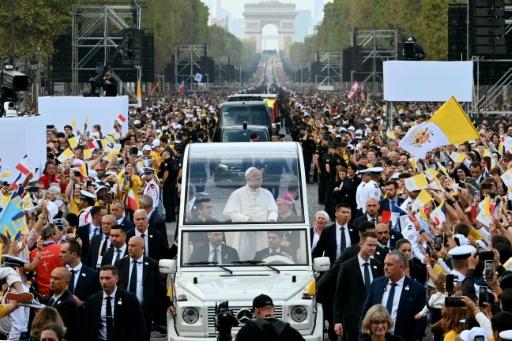
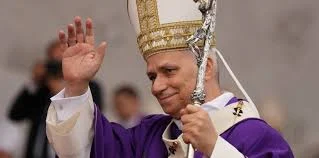
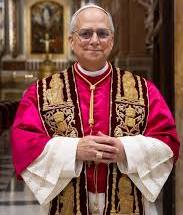
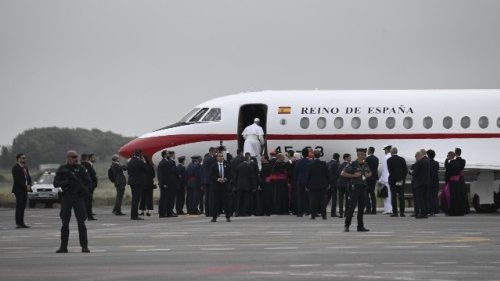
Pope Leo XIV on Monday described war as a “painful defeat” of diplomacy and warned that growing violence and political division have pushed the world into a “profound” crisis during a landmark address focused on peace at Spain’s parliament.
Speaking before lawmakers at the Cortes Generales in Madrid, the pontiff urged nations to settle disputes through dialogue and international law, stressing that “peace demands diplomatic courage, ethical responsibility.”
The address marked the first time a pope had spoken before Spain’s parliament and came amid escalating tensions between Israel and Iran, whose renewed exchange of strikes has intensified fears over the conflict despite the April truce.
Leo XIV’s remarks also coincided with his meeting with Spanish Prime Minister Pedro Sánchez, who has publicly criticized the United States and Israel over the Iran conflict.
Sánchez previously defended the pope after US President Donald Trump attacked Leo over his stance on the war.
“Every war constitutes, ultimately, a painful defeat of the capacity to negotiate and also of that shared conscience of humanity that recognizes bonds of justice between nations,” Leo told Spanish political leaders.
“The world is going through a profound spiritual and cultural crisis, which manifests itself in multiple forms of violence, polarization and mutual distrust. In this context, peace presents itself as a political aspiration and, even more so, as a true moral imperative.”
The American-born pope, currently on a visit to Spain that runs until Friday, emphasized that “peace demands diplomatic courage, ethical responsibility” and called on governments “to resolve their disputes through the peaceful means offered by international law.”
In his broad address, Leo also cautioned against rising military spending across Europe and highlighted the struggles faced by migrants. He praised Spain’s historic contribution to shaping modern concepts of human rights centuries ago.
The pope said the “inviolable dignity” of every human being should remain central to all legal systems, including in the treatment of migrants.
“The affirmation of human dignity cannot remain abstract when so many people are forced to leave everything behind in search of peace, security and a future,” he stated.
“The tragic drama of migration also challenges the conscience of nations and the ethical foundation of the international order today.”
Migration has become a central theme of Leo’s visit to Spain, with plans for the pope to travel to the Canary Islands, one of Europe’s major entry routes for migrants, in a show of solidarity.
Addressing Spain’s increasingly divided political climate, Leo urged leaders to “disarm language” and work toward what he described as a “moral renewal.”
“Political pluralism should not degenerate into the constant disparagement of the adversary,” the pope said, drawing prolonged applause from lawmakers.
Spain has witnessed growing political tensions in recent years, as Sánchez’s left-wing administration battles corruption allegations while the nationalist-populist Vox party continues to gain support.
The pope also used the occasion to address clergy sexual abuse, describing it as a “scourge” and urging Spanish bishops to support survivors through justice and reparations.
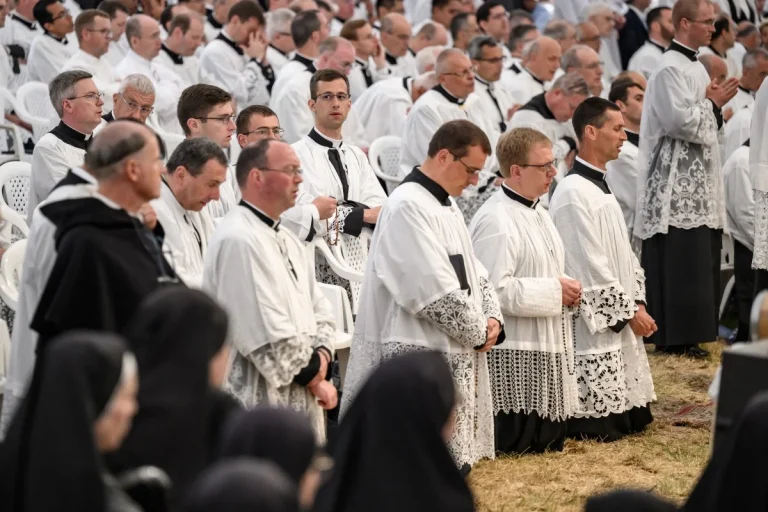
“One of the most painful encounters is with those who have been wounded precisely by those who were supposed to care for them, including members of the clergy,” he said during a separate meeting with bishops.
“Faced with this scourge, the ecclesial community is called to respond with listening, truth, justice, reparation and an ever more determined commitment to prevention and a culture of care. Every wounded person must be able to find sincere listening, welcome, protection and real paths to healing,” he added.
A 2023 report by Spain’s ombudsman estimated that more than 200,000 children had suffered abuse linked to the clergy over several decades, severely damaging the church’s reputation.
The Vatican has confirmed that Leo XIV will meet survivors during his visit, after previously describing the abuse crisis as an “open wound” while traveling from Rome to Madrid.
During his parliamentary address, the pope also defended the confidentiality of confession, saying the seal of confession protects “a sacred space of inner freedom.”
Leo argued that religious faith should not be pushed aside in public life and reiterated the Catholic Church’s stance on protecting life “from conception to natural death, in every circumstance of its existence.”
He questioned whether a society could be considered fully just if vulnerable groups were neglected.
“Can a community that casts into the shadows the unborn child, the elderly, the sick, those who suffer in silence, or those who depend entirely on the care of others, be called fully just?” he asked.
Spain’s government under Sánchez has expanded abortion rights and legalized euthanasia and assisted dying since 2021.