The number of internally displaced persons across Nigeria’s Northwest region has risen to nearly 800,000 following a fresh wave of violence, according to new figures released by the United Nations High Commissioner for Refugees.
Data from the UNHCR Nigeria Forcibly Displaced Populations Dashboard, published in May 2026, showed that the region’s displaced population increased from 650,345 in December 2025 to 793,534 in May 2026, representing an increase of 143,189 persons within six months.
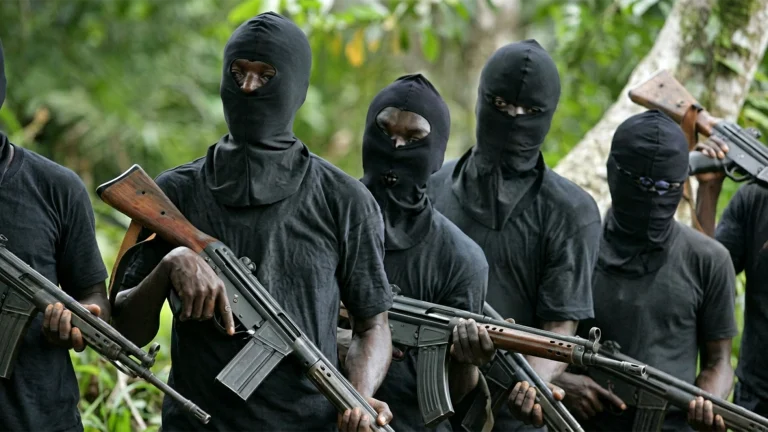
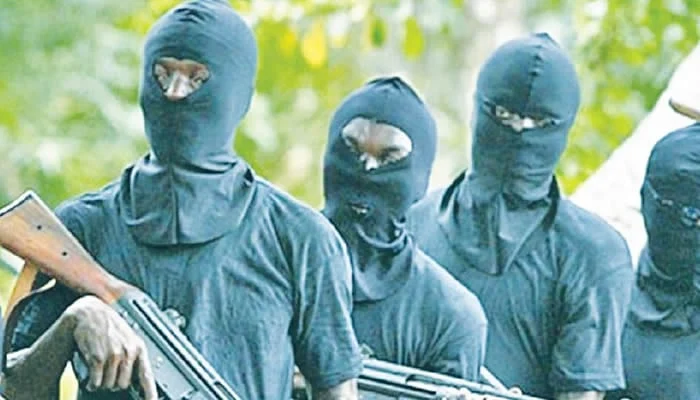
The report, compiled in partnership with the National Commission for Refugees, Migrants and Internally Displaced Persons attributed the surge largely to escalating attacks by bandits and other armed groups in parts of the Northwest.
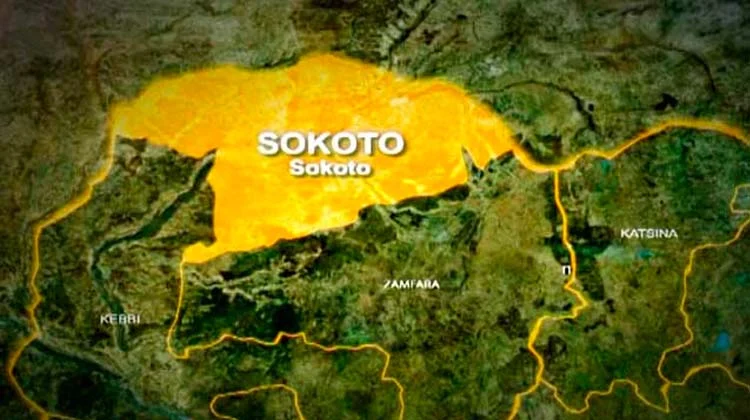
Sokoto State recorded the most significant increase.
The state’s displaced population jumped from 88,562 in February 2026 to 181,526 in March 2026, reflecting an increase of more than 92,000 people.
Similarly, Zamfara State witnessed a sharp rise in displacement figures, with the number of IDPs growing from 204,576 to 279,224 during the review period.
The UNHCR noted that insecurity, including banditry and communal clashes, continues to disrupt farming activities, local markets and access to essential services across Katsina, Kebbi, Sokoto and Zamfara states.
According to the report, Nigeria currently has 3.71 million internally displaced persons nationwide and accounts for about 3.5 per cent of the global population of forcibly displaced people.
Despite the regional increase, Katsina State recorded a decline in displacement figures.
The state’s IDP population fell by nearly 30,000, dropping from 235,898 to 206,071 persons.
Kaduna State, however, reported a modest increase, with its displaced population rising from 110,813 to 115,466.
The report also revealed that the number of Nigerian refugees from the Northwest residing in neighbouring Niger Republic increased from 258,359 to 268,967 during the period under review.
The worsening humanitarian situation follows a series of deadly attacks recorded across the region. Security analysts have linked the trend to the activities of armed groups operating within the Northwest and parts of the North Central.
In his Democracy Day anniversary address delivered on May 29, President Bola Tinubu acknowledged the country’s security challenges but maintained that efforts by security agencies were yielding results.
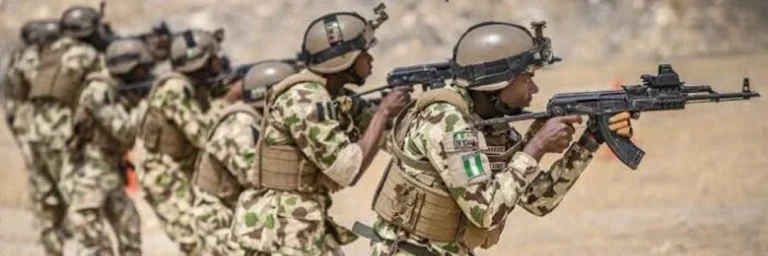
“Our Armed Forces and security agencies have intensified operations against terrorists, bandits, kidnappers, oil thieves and criminal networks,” the President said.
“While challenges remain, many communities and highways are becoming safer and more economically active. This government will not relent until every Nigerian can live, work, travel and dream in safety,” he added.
Meanwhile, humanitarian agencies continue to call for increased support for displaced communities, many of whom are sheltering with host families and facing limited access to food, healthcare and education.
The Federal Government, alongside development partners, has launched initiatives aimed at implementing durable solutions for displaced persons in affected states, particularly Katsina and Zamfara.
However, stakeholders say sustained security improvements will be critical to reversing the growing displacement crisis in the region.