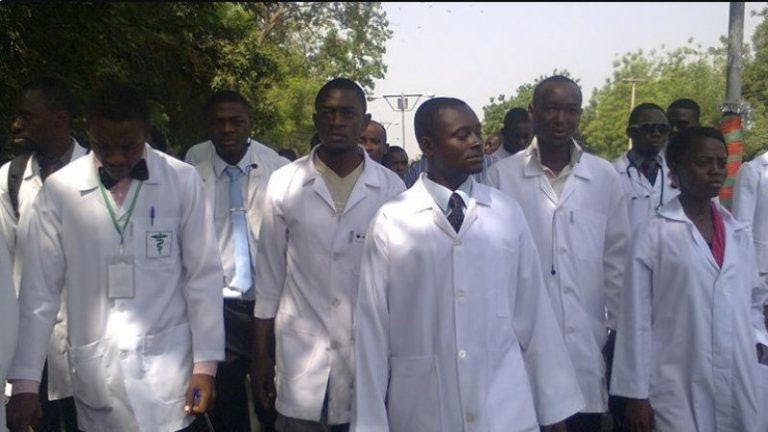
The Nigerian Medical Association has called on the Federal Government to implement a 65-year retirement age for clinical health workers, arguing that the policy would help retain experienced professionals amid Nigeria’s worsening healthcare workforce shortage.
The NMA President, Dr Afekhide Omoti, made the appeal on Friday in Abuja while briefing journalists at the end of the association’s National Executive Council meeting.
The meeting, which was attended by representatives of medical doctors from the 36 states and the Federal Capital Territory, took place from August 24 to 28.
Omoti said retaining experienced medical personnel had become increasingly important as Nigeria continues to lose healthcare professionals to migration.
“At a time when Nigeria is experiencing a significant shortage of skilled healthcare professionals due to migration and other factors, retaining experienced clinicians within the system is essential,” he said.
He urged the Federal Government to “urgently implement the retirement age of 65 years for clinical health workers without undue and unnecessary limitations.”
According to the NMA president, extending the retirement age would serve as a temporary measure to preserve expertise in the health sector while the government works on broader solutions to manpower shortages and brain drain.
The association said the retirement age proposal was part of a broader review of challenges confronting the health sector, including poor infrastructure, inadequate welfare, insecurity, migration, drug and substance abuse and deteriorating road networks.
While acknowledging government’s investments in healthcare infrastructure, Omoti stressed that facilities alone could not guarantee effective healthcare delivery without sufficient personnel.
“Infrastructure alone cannot guarantee an effective health system without a motivated, adequately protected and properly remunerated health workforce,” he said.
The NMA consequently urged the government to increase investment in healthcare professionals alongside infrastructure development, noting that hospitals require adequate numbers of doctors, nurses, pharmacists, laboratory scientists and other health workers to function effectively.
The association also attributed the continued migration of health professionals to difficult working conditions, insecurity, poor remuneration and limited career opportunities.
“This trend must be urgently reversed,” Omoti said.
The NMA further called for the conclusion and implementation of the outstanding collective bargaining agreement between the Federal Government and health workers.
It urged the government to conclude the agreement early enough for its financial implications to be reflected in the 2027 budget.
The association said prolonged delays in resolving workers’ demands had contributed to dissatisfaction among health professionals and further encouraged migration.
On insecurity, the NMA demanded stronger protection for healthcare workers and medical facilities, particularly in vulnerable communities.
Omoti disclosed that a medical practitioner in Niger State had reportedly been held captive for about four months, describing the situation as unacceptable.
“Healthcare workers are essential to the survival and well-being of our communities. They should not have to choose between saving their patients and protecting their own lives,” he said.
The association also called for urgent improvement of roads leading to healthcare facilities, especially in rural and underserved areas.
According to the NMA, poor road networks can delay emergency response, hinder referrals and make it difficult for healthcare workers to access patients.
It further urged the government to classify drug and substance abuse among young Nigerians as a national public health priority, while expanding mental health and addiction treatment services across the country.
Among its other demands, the association sought improved welfare and security for healthcare professionals, tax relief for health workers, better working conditions and stronger measures to retain skilled personnel.
Omoti said the NMA would continue to engage governments and relevant stakeholders on sustainable solutions to the challenges affecting Nigeria’s healthcare system
“We cannot retain healthcare professionals in an environment where their lives are threatened. We cannot effectively address brain drain without improving the welfare and working conditions of healthcare workers,” he said.
The NMA maintained that raising the retirement age to 65 would help preserve institutional knowledge and the expertise of experienced clinicians while longer-term measures are implemented to address Nigeria’s healthcare workforce crisis.