The Nigeria Labour Congress has urged the Federal Government to roll out urgent measures to ease the impact of the latest increase in petrol prices, including wage awards for workers and the sale of crude oil to local refineries in naira.
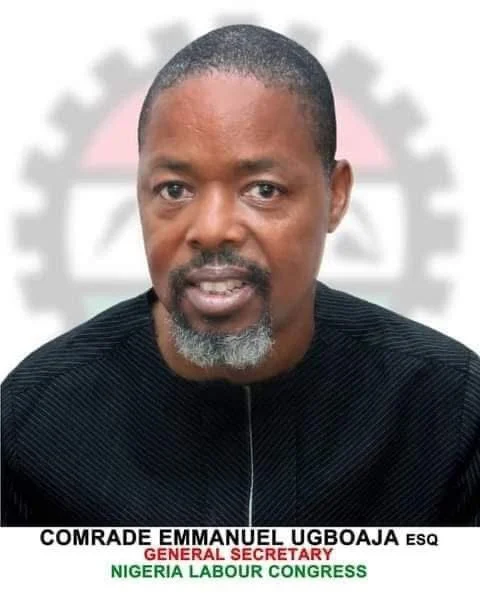
The call was made by the NLC President, Joe Ajaero, in a statement issued on Wednesday, as petrol prices climbed to about ₦1,430 per litre in major cities, with consumers in some less accessible areas reportedly paying more.
The labour body warned that the increase could deepen the financial pressure on households and businesses, pointing out that higher transport costs often lead to increases in the prices of food, rent, school fees and other essential services.
In the statement titled “Save the Situation Now,” the NLC said the latest price surge occurred just as pressure on oil marketers to reduce pump prices, following a decline in international crude prices, was beginning to yield results.
The union linked the fresh increase to the renewed conflict in the Gulf but argued that Nigeria, as a major oil-producing country, should have measures in place to shield its citizens from external shocks.
It said, “As a nation, and as a people endowed with enormous fossil resources, we are deserving of a certain level of protection or buffer against the gales from the Gulf, and indeed, other gales.”
The NLC called for the immediate introduction of measures to protect Nigerians from the effect of the higher fuel prices.
Among its demands were reasonable wage awards for workers, adequate crude oil supplies to domestic refineries through naira transactions and increased petroleum storage capacity.
According to the labour centre, the measures would provide relief for citizens while also supporting job creation, economic activity and efforts to tackle emerging security concerns.
The union also said the government should not completely rule out subsidies where an emergency situation warranted intervention.
“There is nothing wrong with government subsidising the needs of citizens, especially in emergency situations like this,” Ajaero said, adding that oil-producing countries were adopting various interventions and palliatives to cushion the effects of the global energy crisis.
The NLC further claimed that the Federal Government was benefiting from higher international crude prices, with oil reportedly selling between $35 and $40 per barrel above the benchmark used in the national budget.
It described the additional earnings as a windfall that could create room for government to intervene and reduce the pressure of the rising cost of living.
The labour union also criticised reports that some domestic refineries were importing crude oil, arguing that such a practice undermined the objective of developing Nigeria’s refining capacity.
“On a long-term basis, we are equally concerned that local refineries are importing crude. This is unreasonable and unacceptable and defeats the logic and purpose of local capacity,” the statement said.
The latest petrol price increase comes against the backdrop of the deregulation of Nigeria’s downstream petroleum sector following the removal of the petrol subsidy in May 2023.
Since then, pump prices have been influenced more directly by crude oil prices, foreign exchange costs, logistics and other market conditions.
The Federal Government has promoted increased domestic refining as part of efforts to improve fuel supply and reduce Nigeria’s exposure to fluctuations in the international market, including through the expansion of private refining capacity and the rehabilitation of government-owned refineries.
However, changes in crude prices, exchange rates and supply-chain expenses continue to affect petrol prices and transportation costs, putting additional pressure on household incomes.
Ajaero urged the government to respond quickly to the situation instead of allowing workers and other Nigerians to bear the full burden.
He said the Federal Government, which he noted was seeking re-election in the coming months, “cannot afford to stand and watch marketers inflict suffering on the citizenry in the name of deregulation.”
“Labour has an obligation to speak out or act accordingly,” he added.