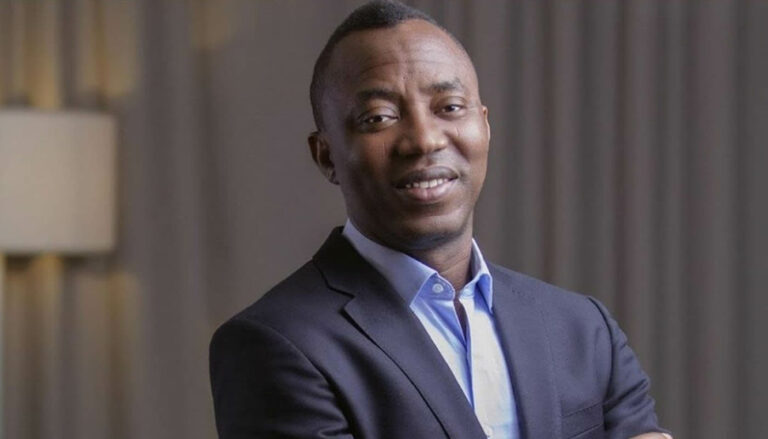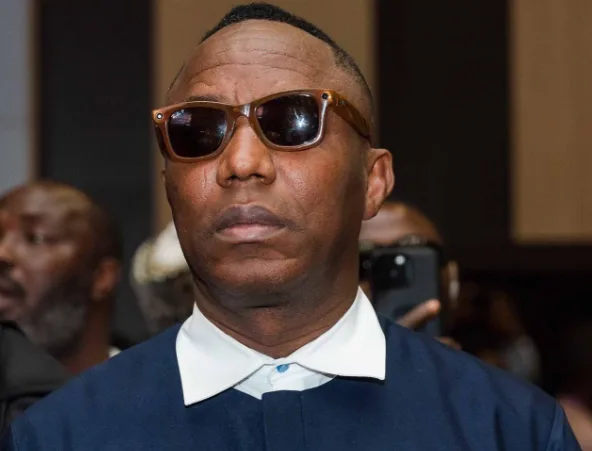
Human rights activist and African Action Congress presidential candidate, Omoyele Sowore, has called on the Federal Government to legalise cannabis, arguing that Nigeria is losing billions of naira in potential revenue by criminalising the plant.
Sowore, who is seeking the presidency in the 2027 general election, made the appeal in a post on X on Tuesday, citing the revenue generated by countries such as Canada and the United States through the regulation and taxation of cannabis.
He faulted Nigeria’s continued enforcement of laws prohibiting the plant, noting that authorities were arresting individuals, destroying cannabis farms and prosecuting people involved in its cultivation and trade while other countries were benefiting economically from regulated markets.
“Since 2018, I have advocated cannabis legalisation, arguing that Nigeria should stop criminalising an economically valuable plant and develop a properly regulated cannabis industry.
“While Nigerian authorities continue to arrest citizens, destroy cannabis farms, and criminalise the plant, countries that have legalised and regulated cannabis are collecting substantial government revenue,” he said.
To support his argument, Sowore cited figures showing that Canada generated approximately CA$2.2bn in government revenue from recreational cannabis during the 2023-2024 fiscal year.
He also referenced cannabis tax receipts of about $1.067bn recorded by California in 2024 and $255.4m generated from marijuana taxes and fees in Colorado within the same year.
According to Statistics Canada, federal and provincial governments collected CA$2.2bn from recreational cannabis in the fiscal year ended March 31, 2024.
The revenue comprised earnings from cannabis authorities, excise duties, retail sales taxes, other specific taxes and licensing fees.
California’s tax authority and Colorado’s Department of Revenue also reported the respective figures cited by the activist.
Sowore estimated that Nigeria could earn between $550m and $2.2bn annually from a regulated cannabis industry, depending on the market size, taxation structure and effectiveness of government regulation.
Using an illustrative exchange rate of N1,300 to the dollar, he projected that the potential revenue could range from N715bn to N2.86tn annually.
He, however, acknowledged that the estimates were hypothetical, explaining that actual earnings would depend on several factors, including market demand, licensing arrangements, taxation, export opportunities and regulatory efficiency.
The activist further argued that legalising cannabis could create jobs across agriculture, pharmaceutical manufacturing and industrial hemp production, while encouraging scientific research and boosting export earnings.
He called for a comprehensive legal framework that would regulate cultivation and distribution, safeguard public health, provide support for farmers and enable the government to benefit from the industry’s economic potential.
Cannabis remains prohibited in Nigeria under the Indian Hemp Act, which criminalises its cultivation, unlawful importation, sale, exportation, smoking and possession.
The National Agency for Food and Drug Administration and Control has also maintained that the cultivation, consumption, handling and possession of cannabis remain illegal under Nigerian law.
Sowore has consistently advocated the legalisation of cannabis since 2018, insisting that Nigeria should explore the economic opportunities offered by a properly regulated industry.