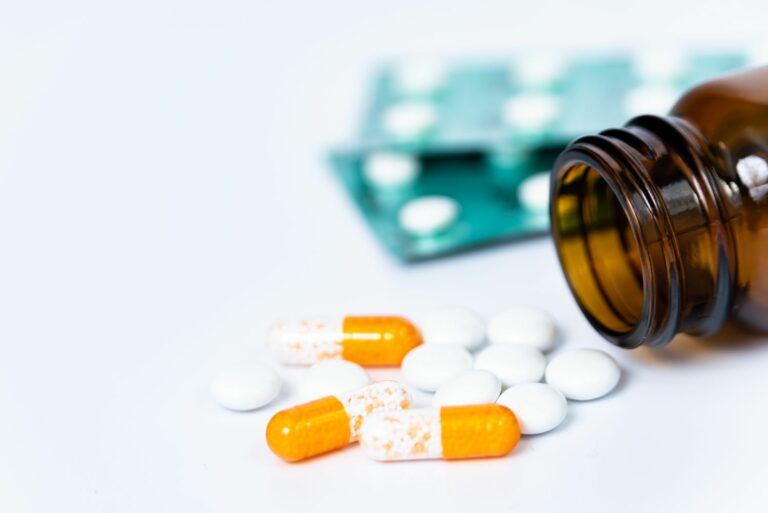
The Pharmaceutical Society of Kenya has cautioned women against inserting antihistamine tablets into their vaginas in a bid to achieve tightening, warning that the practice could cause discomfort and damage to delicate genital tissues.
The society raised the alarm following the circulation of social media posts promoting the use of the commonly available allergy medication for vaginal tightening, despite the drug being formulated for oral consumption.
In a statement issued on Thursday, November 5, the society’s President, Dr Wairimu Njuki, explained that the medication works by blocking histamine, a chemical responsible for allergic reactions such as sneezing, runny nose, itchy eyes and skin irritation.
The PSK said the drug had neither been approved nor tested for vaginal application, stressing that the assumption that vaginal dryness translates to tightening was medically incorrect.
“Although antihistamines may cause dryness as a side effect, reduced lubrication does not strengthen vaginal muscles or alter vaginal anatomy. Instead, it may increase friction, discomfort, and the risk of tissue injury,” the statement read partly.
It further warned that inserting tablets formulated for oral use into the vagina was unsafe because their ingredients had not been tested for contact with delicate vaginal tissues.
“Inserting oral tablets is unsafe. Tablets are made to be swallowed. A readily available and common medicine is not necessarily suitable for every purpose or free from side effects.
“It should be taken only as directed on the label or by a pharmacist or a medical doctor,” the statement added.
The society also warned against depending on social media for medical advice, noting that the spread of unverified health claims could expose members of the public to serious risks.
It urged women who had already attempted the practice to discontinue it immediately and seek medical attention if they experienced complications.
“If you have already tried it, stop. See a doctor if you have pain, bleeding, burning, itching, unusual discharge, or fever. Your health matters, and you will be treated with respect and without judgement.”
Amid reports of increased demand and rising prices of the medication, the society also urged pharmacists to maintain professional standards and ensure that people who genuinely need it for allergy treatment could still access it.
It advised consumers to purchase medicines only from outlets licensed by the Pharmacy and Poisons Board, where registered pharmacists are available.
The PSK also appealed to social media content creators to exercise caution when sharing health-related information and avoid promoting practices that could endanger lives.
“Ensure it is evidence-based, and communicated in a manner that protects rather than endangers the public.
“PSK remains committed to working with the Pharmacy and Poisons Board, the Ministry of Health, and fellow healthcare professionals to strengthen medicine safety and protect the public from harmful practices,” the statement concluded.
Meanwhile, checks by The PUNCH on Nigerian pharmacy retailer, Asset Pharmacy, showed that the medication was sold in sachets containing 10 tablets, with each tablet containing 10mg of the active ingredient.
The product was listed as an allergy relief medication.