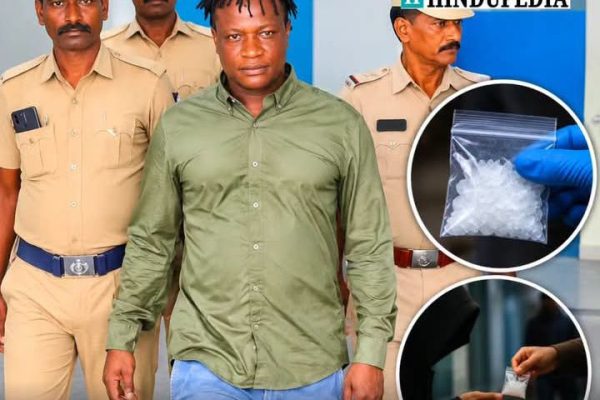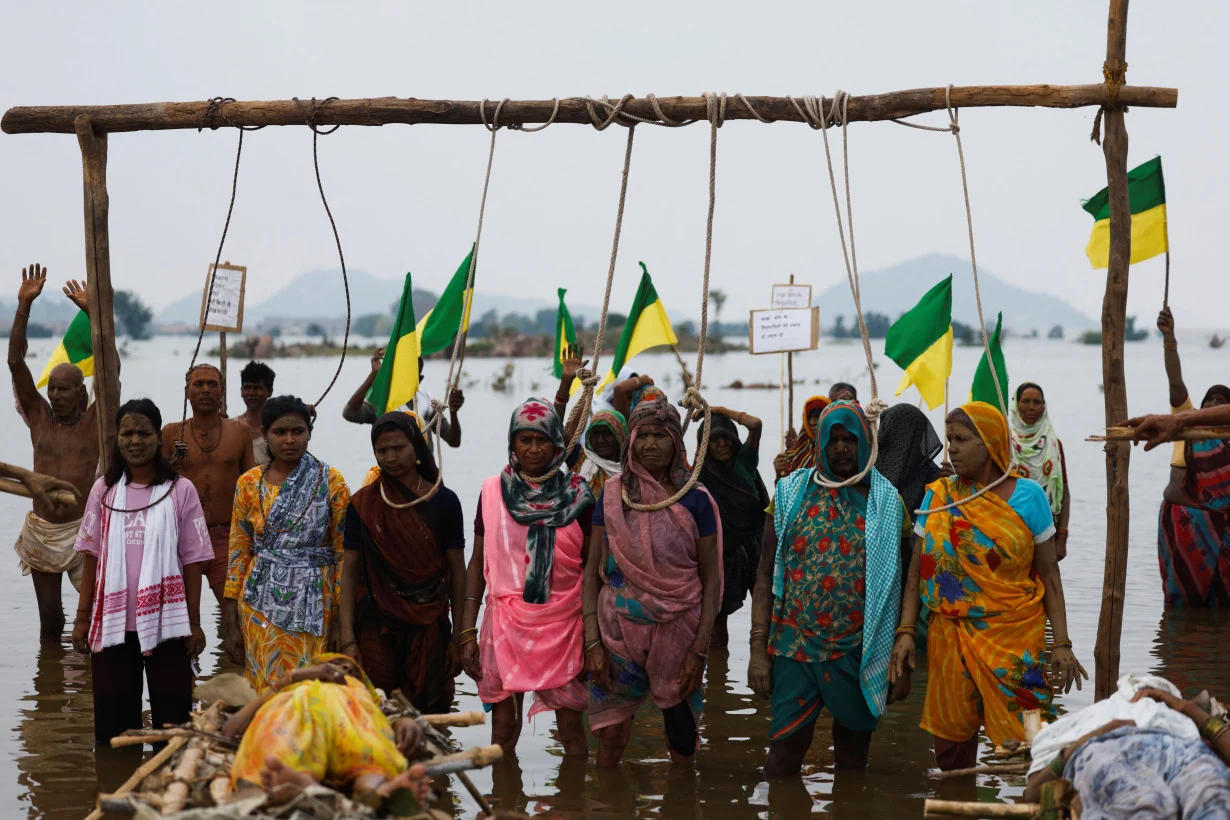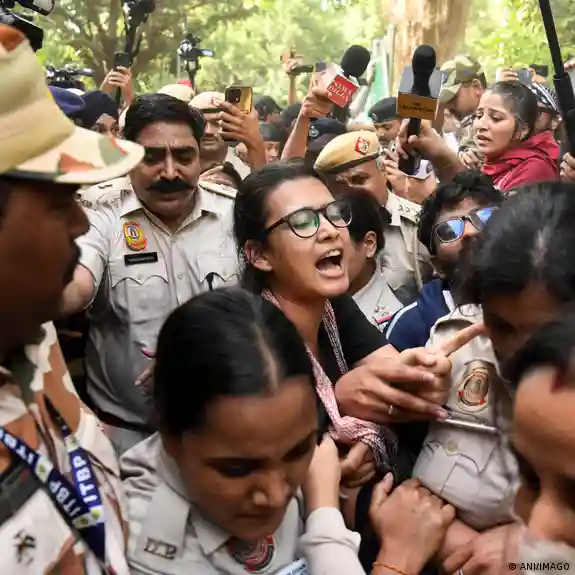
Some Muslims in India are facing detention, deportation and citizenship investigations after their names were removed from the country’s electoral registers, raising concerns over the treatment of legitimate citizens.
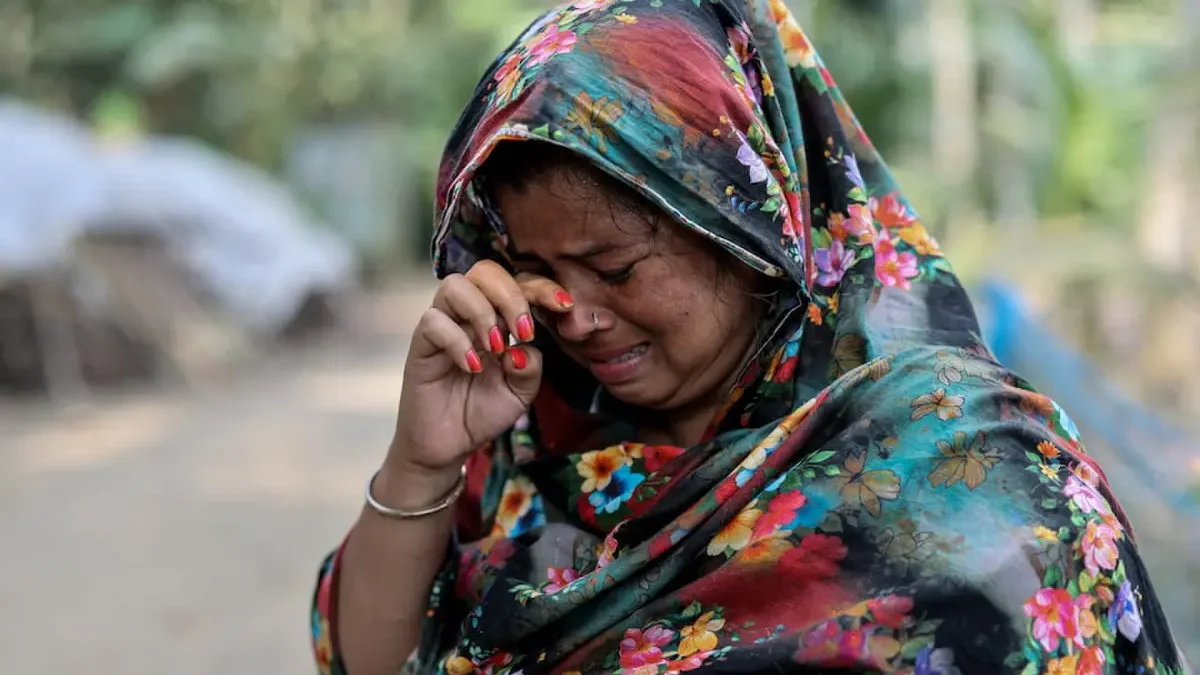
One of those affected is 38-year-old Sahida Fakir, who said she was forced into Bangladesh by Indian security officials after her name was deleted from the voter list in West Bengal.
Fakir, who left her Mumbai home on July 19 to buy vegetables, has been separated from her husband and two sons for more than three months.
Fakir told Reuters that plainclothes officers arrested her, confiscated her phone containing copies of her identity documents and eventually transferred her across the border into Bangladesh.
Court documents identified the officers as members of the Mumbai police crime branch.
“Someone grabbed my hand from behind and ordered me to get into the vehicle,” Fakir told Reuters in Satkhira, Bangladesh.
She is among 10 families interviewed by Reuters whose relatives were detained, deported or questioned about their citizenship following their removal from India’s revised electoral registers.
The families said they possessed Indian identity or family documents, while their relatives, including parents and siblings, remained on the voter lists.
The incidents have raised concerns over the connection between India’s extensive voter-roll revision and a separate government campaign to identify and deport suspected illegal immigrants.
However, deletion from the electoral register does not automatically establish that an individual is a foreign national.
The revision resulted in the removal of 130 million names nationwide, marking the largest voter deletion exercise in India’s history.
Data indicated that Muslims, the country’s largest religious minority, were disproportionately affected.
In West Bengal, approximately nine million names were removed ahead of state elections held earlier this year.
According to the Kolkata-based Sabar Institute, Muslims accounted for about 70 per cent of the 2.7 million names deleted following a more detailed review, despite representing 27 per cent of the state’s population.
The Bharatiya Janata Party, led by Prime Minister Narendra Modi, won the election and took control of West Bengal for the first time.
The party has denied allegations that the voter revision was designed to exclude legitimate citizens.
Sabar Institute founder Sabir Ahamed said the deletions had significantly influenced the election outcome.
“We cannot deny the anti-incumbency factor but the voter deletions played a big role in determining West Bengal election results,” he said.
Shah Links Voter Deletions to Deportations
India’s Home Minister, Amit Shah, directly linked the voter-roll exercise to the government’s efforts to remove suspected illegal immigrants during a rally in Haryana on November 5.
“It is the BJP’s resolve that we will detect infiltrators, remove them from the electoral rolls, and after that, we will pick them out one by one and expel them from the country,” Shah said.
West Bengal has become a major centre of the crackdown, particularly against Bengali-speaking Muslims.
The state’s history of migration is closely connected to the 1947 partition of British India and Bangladesh’s independence war in 1971, during which millions of people crossed the border.
Fakir said she was transferred into Bangladesh at about 1 a.m. through an unfenced section of the border.
She reportedly walked for hours through muddy terrain before a farmer found her crying and offered assistance.
Mumbai police told a court that she had been handed over to the Border Security Force along the Assam border before being deported through designated authorities.
Court filings indicated that she was among 149 people deported during the operation after authorities identified them as Bangladeshi nationals.
“I never imagined, not even for a moment, that they would send me to Bangladesh,” Fakir said. “My home, my grandparents and my entire family lineage are rooted in India.”
Her husband, Jumman, has since challenged the deportation in court.
The family’s petition before India’s Supreme Court argued that removal from the electoral register could not be used as proof of foreign citizenship.
Family records reviewed by Reuters showed that Fakir’s parents and grandparents had been registered voters in Swarupnagar, West Bengal, since India’s first national election in 1952.
Their names also appeared on electoral rolls from 2002 and 2003, which were used as a reference point in the latest revision.
Fakir herself had appeared on West Bengal’s voter lists since at least 2008, according to her voter identification card reviewed by Reuters.
However, Mumbai’s Foreigners Regional Registration Office told the Calcutta High Court that Fakir had presented a Bangladeshi birth certificate during an investigation and failed to provide “valid or credible documentary evidence” establishing her Indian citizenship.
Fakir rejected the claim, saying officials seized her phone and prevented her from presenting copies of documents stored on the device.
Indian law does not require citizens to carry valid identification at all times.
Detentions Spark Further Legal Challenges
Another case before the Calcutta High Court involves utensil hawker Nasiruddin Sheikh and four other individuals who alleged that they were detained after their names were removed from the electoral registers, despite having pending appeals before special tribunals.
Sheikh said police arrested him and 22 others while they were working in Chhattisgarh, hundreds of kilometres from their homes.
According to him, 19 of the detainees were released after 14 days when authorities confirmed that their names appeared on the revised electoral rolls.
However, Sheikh and three others whose names were missing remained in custody for 32 days.
“A policeman told me, ‘Your name is not in the voter list. You are a Bangladeshi,'” Sheikh said.
He said the group was released on the night before their scheduled court hearing.
Sheikh described the detention facility as a large hall containing beds for more than 60 people, where detainees underwent medical examinations and biometric registration before being confined.
“It was a jail in every sense. We couldn’t go outside,” he said.
Police and state lawyers have maintained before the Calcutta High Court that West Bengal does not operate permanent detention camps.
Meanwhile, Reuters reporters observed a holding centre for suspected foreign migrants in Murshidabad, where clothes were hanging inside the facility and people were seen looking through its windows.
An ambulance and a covered police bus were also present within the heavily guarded compound.
Mosami Ray, a resident living opposite the centre, said she had seen people brought there two months earlier and families crying outside.
Human rights activist Kirity Roy expressed concern over the slow pace of legal proceedings challenging the voter-roll deletions.
“There are millions of cases against deletion of names from voter list and people are waiting for justice,” he said. “The tribunals are slow. We are hopeless with what is going on.”
India’s Home Ministry, the Prime Minister’s Office and the Election Commission did not respond to Reuters’ requests for comments.