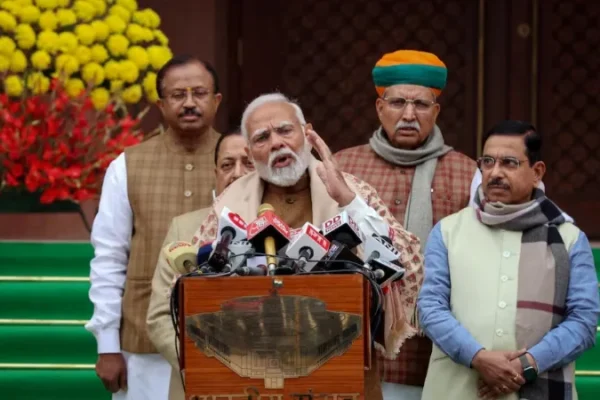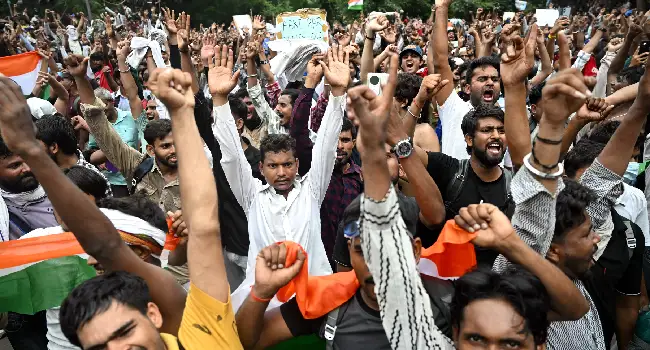
India’s Education Minister, Dharmendra Pradhan, announced his resignation on Saturday following weeks of nationwide student protests over allegations that entrance examinations for medical schools were leaked and sold.
The resignation marks a significant concession by the government of Prime Minister Narendra Modi, as the demonstrations have grown into one of the most prominent youth-led challenges to his administration.
Although Pradhan has stepped down, Modi has yet to publicly accept the resignation.
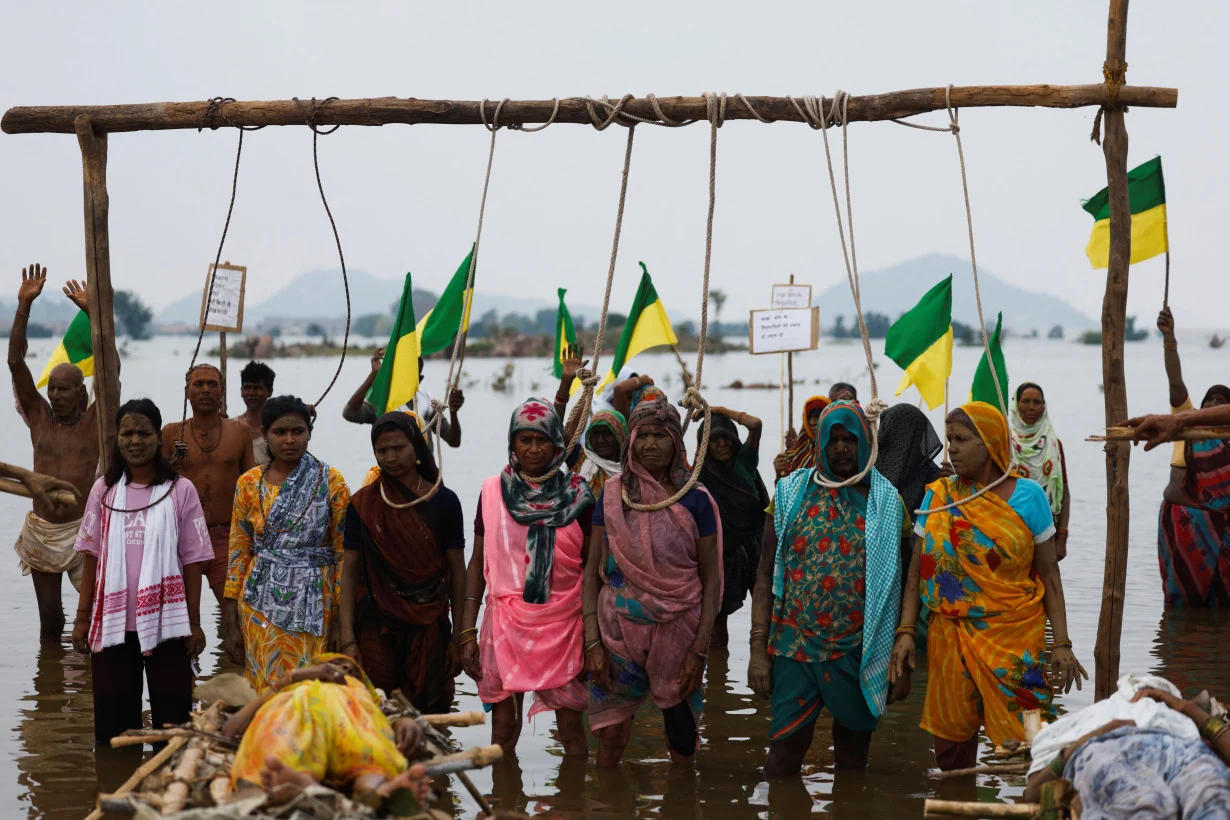
The protests were spearheaded by the Cockroach Janta Party, a youth movement that has mobilised thousands of students demanding accountability and sweeping reforms to India’s examination system.
Reacting to the development, CJP founder Abhijeet Dipke welcomed Pradhan’s decision but insisted the campaign was far from over.
“This is democracy. He has resigned. We have two more demands. We won’t go like this,” he said.
Dipke also demanded compensation for families of students who reportedly died by suicide after learning that the medical examination results would be cancelled.
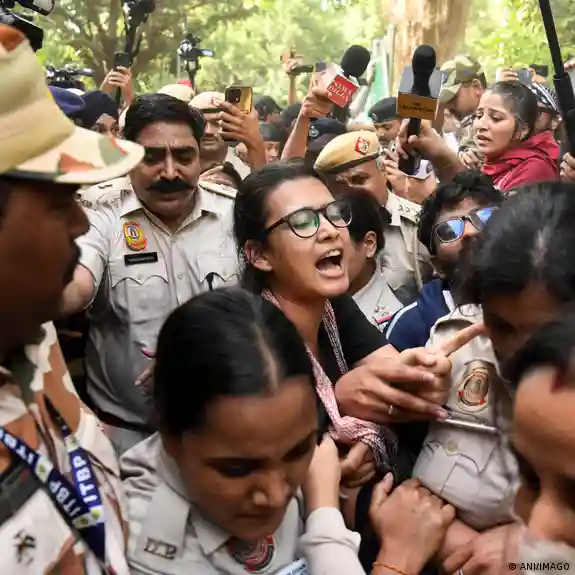
“The families of the children who committed suicide should receive compensation of one crore rupees,” Dipke said, referring to reports in Indian media that several students who sat medical exams took their own lives after learning their results would be scrapped. He also called for action against police officers who were involved in quelling protests earlier this week.
The ruling Bharatiya Janata Party defended Pradhan, with its national president, Nitin Nabin, describing the resignation as an act of integrity.
He said Pradhan’s decision “reflects the highest standards of integrity and selfless service in public life,” adding that the party “stands firmly” with him.
The protests intensified after violent confrontations between demonstrators and police, with officers using batons and tear gas to disperse crowds marching towards Parliament.
The heavy-handed response further fuelled public support for the movement.
The controversy stems from allegations that entrance examinations for India’s highly competitive medical schools were compromised, forcing millions of candidates to retake the tests.
Protesters argue that the examination system has long been plagued by irregularities, placing enormous pressure on students and financial strain on families.
The CJP, which led the demonstrations, began in May as an online campaign before rapidly evolving into a nationwide movement.
Founded by Boston University graduate Abhijeet Dipke, the group gained traction after remarks by India’s chief justice were widely interpreted as comparing unemployed young people to “cockroaches,” a comment that resonated with many frustrated youths.
Since then, the movement has expanded beyond the examination scandal to highlight broader concerns over unemployment and limited opportunities for young people.
India is home to more than 360 million people aged between 15 and 29, according to a report by Azim Premji University in Bengaluru.
The report found that nearly 40 per cent of graduates aged 25 and below are unemployed, while about one in five people aged 20 to 29 are without jobs, describing the transition from education to employment as a major challenge.
Many of those participating in the protests come from middle-class families that previously supported Modi’s BJP but have become increasingly frustrated by what they see as shrinking opportunities.
Modi, who secured a third term in 2024 with a reduced parliamentary majority, had largely remained silent on the protests until Thursday, when he addressed the issue publicly.
“Numerous effective measures have been taken over the past two and a half months since the paper leak incident,” he said. “Those responsible have been arrested and are now in jail. Our main responsibility has been to make sure that the students’ academic year is not wasted.”
Earlier in the week, he also issued a warning on X, writing: “Those who try to harm the future of our youth will not be spared.”