The Federal Government has said it has released a total of N330 billion to 8.1 million households nationwide under the National Social Safety Net Programme, designed to cushion the impact of economic reforms on Nigeria’s most vulnerable citizens.
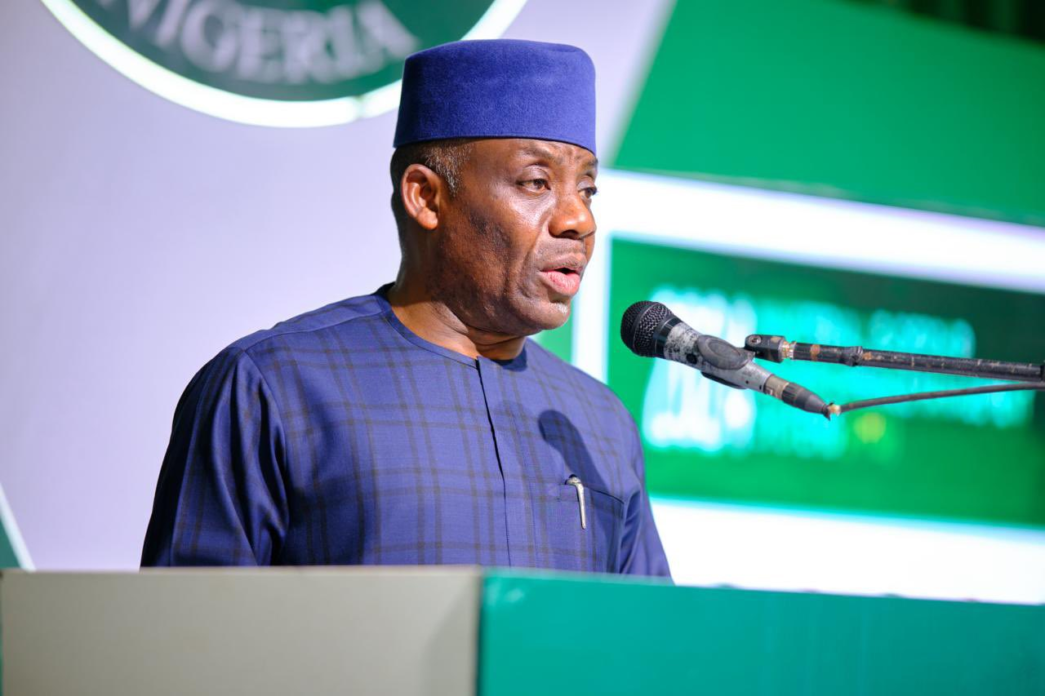
The disclosure came on Wednesday in Abuja from the Minister of Finance and Coordinating Minister of the Economy, Wale Edun, after a review meeting of the Special Presidential Panel on Social Investment, which President Bola Tinubu set up in February.
Edun explained that after initial setbacks earlier in the year, the scheme had regained momentum following the integration of beneficiaries’ biometric information with their National Identification Numbers.
According to him, this step was vital to improve transparency, curb financial leakages, and prevent political interference.
Out of 19.7 million households listed in the National Social Register, representing about 70 million Nigerians, 8.1 million have already received at least one tranche of the N25,000 payment, with some beneficiaries receiving two or three installments after successful verification.
The minister noted that another 2.2 million households benefited in the last payment round once their Bank Verification Numbers and NINs were cleared.
He attributed previous delays to slow NIN enrolment but assured that all outstanding payments would be settled before the end of 2025.
“We are pleased to report that the social protection programme, which provides a safety net to help Nigerians cope with rising prices, is now firmly back on track. Already, 8.1 million households have received at least one tranche of the N25,000 promised to them, with two more payments outstanding,” Edun said.
Backed in part by an $800 million World Bank loan, the programme has evolved into the backbone of a modern, transparent, and sustainable social protection system in Nigeria, the minister added.
He further revealed that the target had been scaled up from 15 million to 19.7 million households, underscoring government’s commitment to shielding low-income Nigerians from subsidy removal and currency reforms.
He stressed that the fully digital payment process—via bank accounts and mobile wallets—guarantees sustainability and immunity from political meddling. “In any modern economy, a social safety net is essential.
Nigeria now has the capability to budget annually for direct support to vulnerable groups, ensuring timely intervention as needed,” he declared.
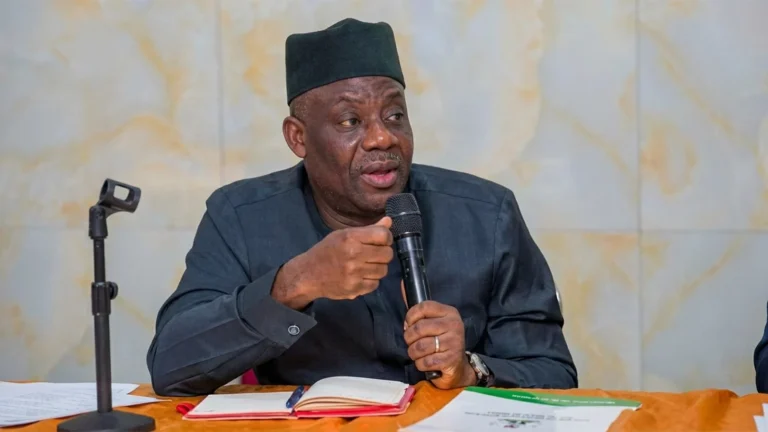
National Coordinator of the National Social Safety Net Coordinating Office, Funmi Olotu, gave additional insight, disclosing that 10.2 million NINs had been collected during household visits, with 9.6 million validated by the National Identity Management Commission. Only validated beneficiaries, she emphasized, qualify for payment.
“The National Social Register is not a political register. The Minister of Finance cannot give me names to put on the register. Mr President cannot give me names either,” Olotu said.
She also revealed that President Tinubu had signed an executive order making the National Social Register the exclusive database for all government interventions moving forward.
This, she noted, eliminates duplication and guarantees that interventions are based solely on verified data.
“The framework was designed not just for this intervention but as the permanent foundation of Nigeria’s social protection system,” she added.
Figures from the Presidential Panel on National Social Investment Programmes show that cumulative beneficiaries increased from 1.78 million households in November 2023 to 8.11 million by August 2025. Of these, 61 per cent are female-headed households, while 39 per cent are male-led.
In terms of age distribution, 36 per cent fall within 51–65 years, while 30 per cent are between 21–35 years.
Regionally, the North-West accounted for the highest share with three million households, or 72 per cent of total disbursements, while the South shared 28 per cent.
The International Monetary Fund, in a June 2025 report, acknowledged Nigeria’s progress but warned that without a stronger social safety net, widespread poverty and food insecurity could undermine inclusive growth.
The Fund advised that savings from subsidy removal be consistently reinvested into programmes that directly support citizens.
Edun said the integration of NIN, expanded programme coverage, and the President’s executive order had set the stage for a long-term social protection framework.
“This was the promise of Mr President, and it is now being implemented alongside wider reforms. For the first time, Nigeria has a credible, transparent and sustainable system of supporting its most vulnerable,” he concluded.
With validation structures now in place and disbursements continuing, the government maintains that the programme will remain a key buffer for millions of households grappling with the economic effects of reform.