Nigeria and the African Union Commission have stepped up efforts to improve access to safe drinking water and sanitation across Africa, as both sides push for faster implementation of continental water policies.
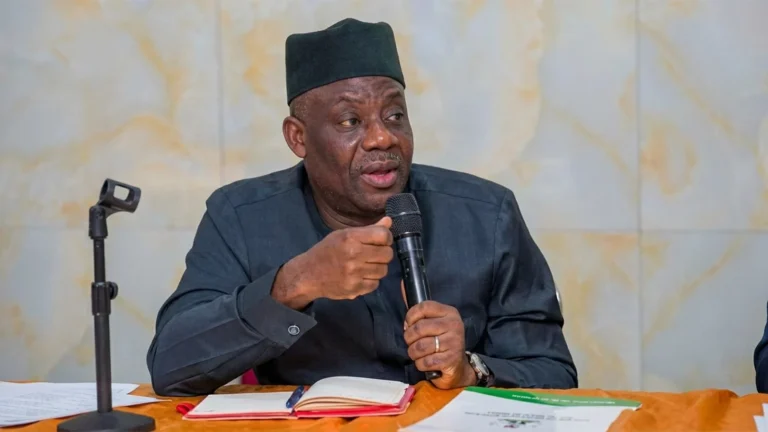
This was highlighted during a high-level meeting in Abuja between Nigeria’s Minister of Water Resources and Sanitation, Prof. Joseph Utsev, and a delegation from the AU Commission and the African Ministers’ Council on Water.
The delegation, led by senior AU and AMCOW officials, said the engagement was part of ongoing consultations to advance Africa’s water governance agenda and strengthen cooperation among member states.
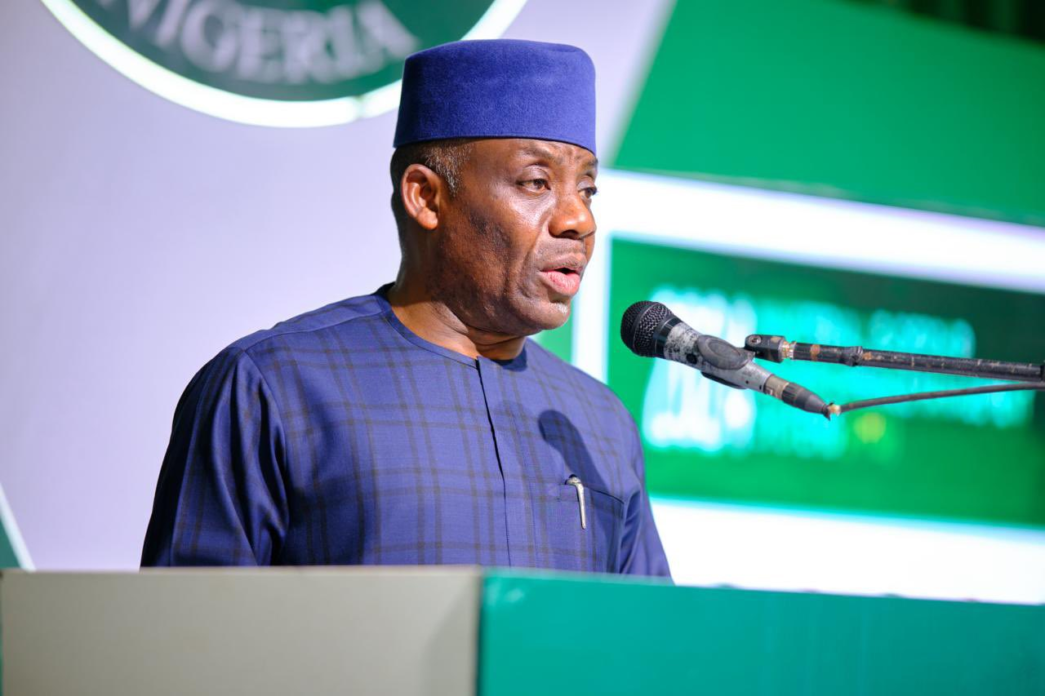
Welcoming the team, Utsev described the visit as an important step toward strengthening regional collaboration.
He said, “We are honoured to receive this high-level delegation… your presence underscores our shared commitment to advancing water security and sanitation across Africa.”
The minister stressed that water security remains central to Africa’s development ambitions, linking it to food production, industrial growth and climate resilience.
“Water security is central to Africa’s transformation. Without safe water and sanitation, we cannot achieve food security, industrialisation, or climate resilience,” he said.
Utsev also noted that the African Union’s decision to focus its 2026 theme on sustainable water and sanitation systems reflects growing recognition of the sector’s importance to the continent’s long-term development goals.
According to him, Nigeria is ready to play a leading role in shaping and implementing the 2026–2033 action plan for the Africa Water Vision 2063, which aims to translate policy commitments into practical results.
On his part, Harsen Nyambe of the African Union Commission commended Nigeria’s leadership in water governance and its long-standing support for AMCOW, which has been hosted in Abuja since 2002.
Nyambe said, “Nigeria has remained a strong pillar of support for AMCOW and Africa’s water governance architecture. This engagement further demonstrates that leadership.”
He added that the current consultations are aimed at developing practical, high-impact programmes that will expand access to safe water and sanitation for millions of Africans.
Despite policy progress, access to clean water remains a major challenge on the continent. United Nations estimates show that over 400 million Africans still lack safe drinking water, while more than 700 million do not have access to adequate sanitation facilities.
In Nigeria, similar gaps persist, particularly in rural and underserved communities, where water scarcity continues to contribute to preventable diseases and slows socio-economic development.
The Abuja meeting is expected to strengthen coordination between African countries and development partners as they work toward achieving universal water access under Agenda 2063.